Get your free personalized podcast brief
We scan new podcasts and send you the top 5 insights daily.
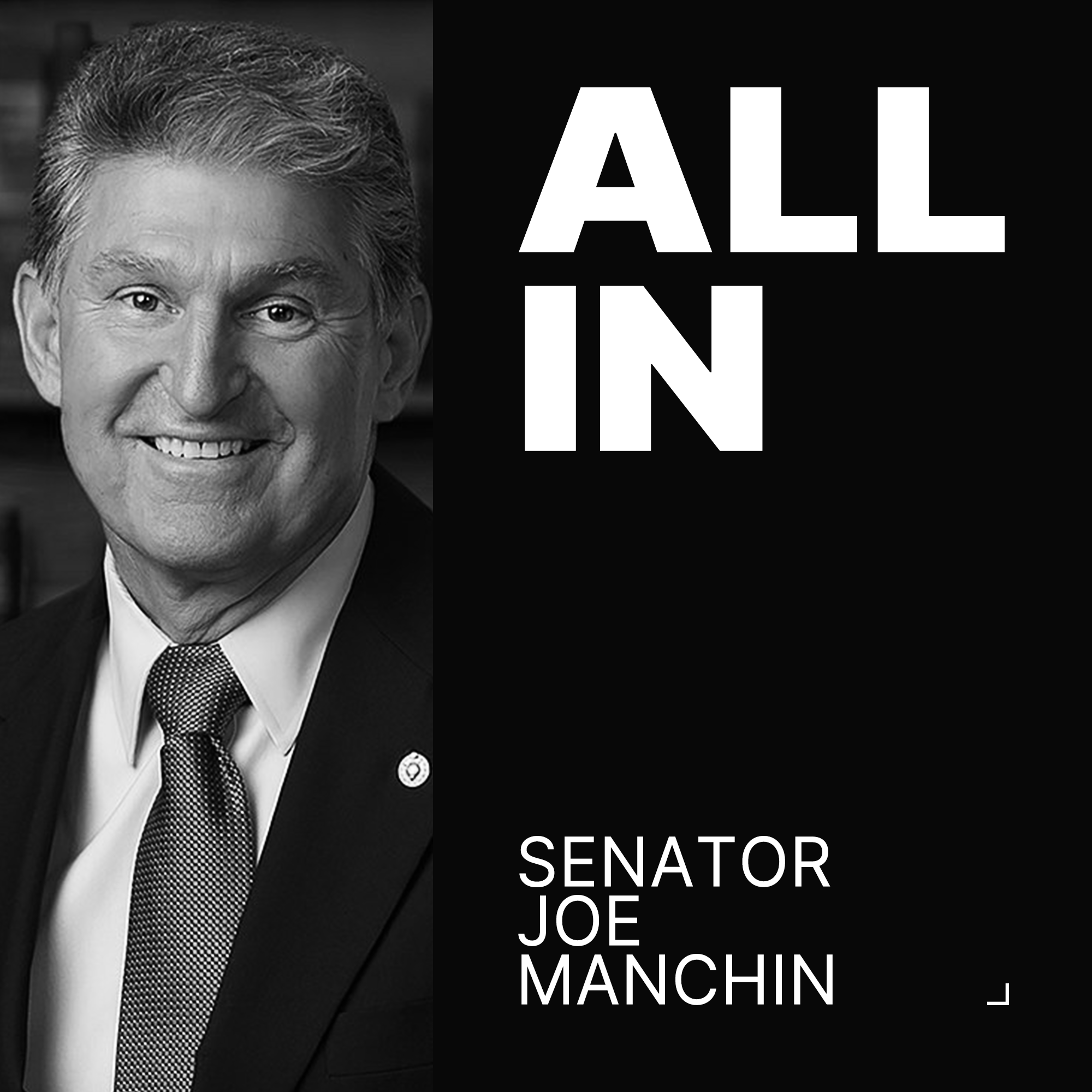
A constituent's comment reframed Manchin's view on term limits. Instead of focusing on the loss of experience, she argued term limits might guarantee at least one term where a politician acts on conviction—putting country before party—rather than on constant re-election fears.
Related Insights
Representative Sharice Davids highlights a fundamental conflict: House members operate on a two-year election cycle, yet major infrastructure projects require a decade or more of planning and execution. This misalignment forces a short-term political focus on issues that demand long-term, stable commitment, leading to inefficiency.

The argument for term limits isn't just about constitutional law; it's a fundamental recognition of human psychology. Power corrupts, and leaders who stay too long become convinced only they are right. The system is designed to forcibly introduce new perspectives and prevent the slide into tyranny, regardless of a president's popularity.

During the Build Back Better debate, Manchin alleges he faced an organized pressure campaign, not just from voters. Protestors outside his residence were reportedly paid hourly, and he believes White House Chief of Staff Ron Klain orchestrated the effort to push him left.
Drawing on an analogy from George Washington, Manchin describes the Senate's purpose as cooling the 'hot tea' of partisan bills from the House. He views the 60-vote filibuster as the essential mechanism for forcing deliberation and bipartisan compromise, not just as an obstructionist tool.
Seemingly irrational political decisions can be understood by applying a simple filter: politicians will say or do whatever they believe is necessary to get reelected. This framework decodes behavior better than assuming action is based on principle or for the public good.

Manchin's core opposition to the Build Back Better bill was philosophical. He argued to President Biden that passing it would fundamentally change the American psyche from one of civic contribution to one of entitlement, a direct reversal of John F. Kennedy's famous inaugural challenge.
Viewing politicians as athletes in a game reveals their true motivation: gaining and retaining power. This framework explains seemingly inconsistent actions, like flip-flopping, as strategic plays for short-term public sentiment rather than reflections of moral conviction or long-term vision.

Manchin pinpoints the decline of the Democratic party in his state to its aggressive anti-coal stance, which lacked a viable economic transition plan for workers. He compares the treatment of coal miners to that of forgotten Vietnam veterans who were asked to serve and then discarded.
The best political outcomes emerge when an opposing party acts as a 'red team,' rigorously challenging policy ideas. When one side abandons substantive policy debate, the entire system's ability to solve complex problems degrades because ideas are no longer pressure-tested against honest opposition.

Political allies often remain silent critics until a leader's power begins to wane. The recent increase in Republicans publicly questioning Trump's economic grasp demonstrates this principle. This belated courage is more about political survival and opportunism than genuine conviction, emerging only after the personal risk has subsided.