Get your free personalized podcast brief
We scan new podcasts and send you the top 5 insights daily.
Axio is an end-to-end platform that handles the entire e-commerce inception process. It moves from market trend analysis and product design to identifying verified suppliers and drafting outreach emails, creating a unified workflow for entrepreneurs.

Related Insights
By combining modular prompts for models (gender, age, body type) with image-to-text descriptions of clothing, you can create automated workflows. These systems generate entire photoshoots, including 360-degree views and action shots, solving the problem of photographing seasonal inventory at scale.

Platforms like Axio go beyond spotting trends by analyzing customer pain points from negative reviews on sites like Amazon. This identifies specific product flaws and reveals clear, data-backed opportunities for creating superior products.
Advanced AI agents act as domain experts by providing specific, technical questions for vetting suppliers, such as asking for 'e-coating, not matte paint'. This de-risks the manufacturing process for non-expert entrepreneurs.
By integrating shopping into ChatGPT, OpenAI can become a massive e-commerce engine. With a potential take rate of 15-30%, similar to Amazon or Meta, capturing just 20% of the $1.2T U.S. e-commerce market would generate tens of billions in new, high-margin revenue.

The next frontier in e-commerce is inter-company AI collaboration. A brand's AI will detect an opportunity, like a needed digital shelf update, and generate a recommendation. After human approval, the request is sent directly to the retailer's AI agent for automatic execution.

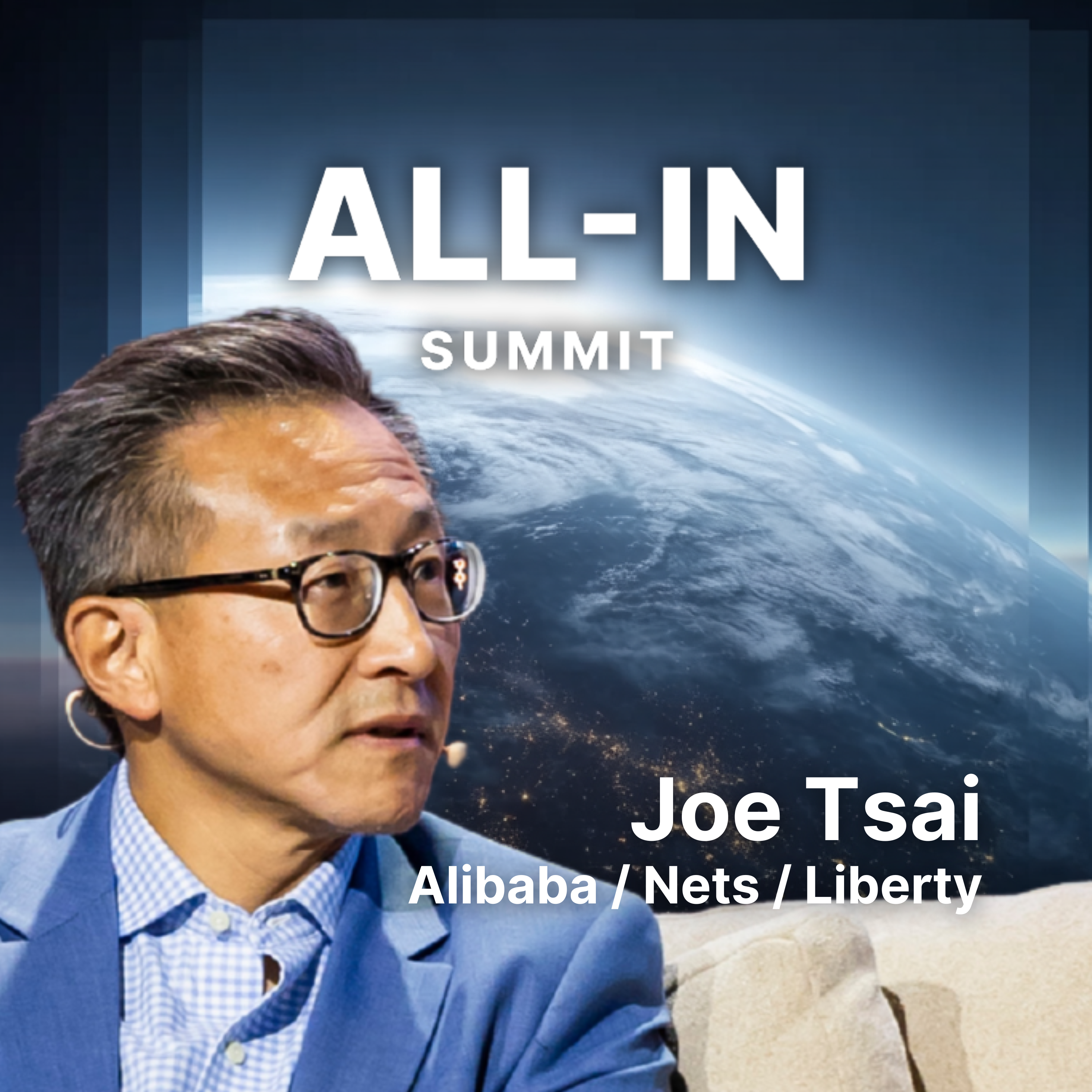
While acknowledging AI's efficiency gains, Joe Tsai emphasizes its most significant impact at Alibaba comes from revenue growth. By infusing AI into consumer-facing products like e-commerce and maps, the company creates a 'massively better experience.' This directly translates to a larger user base and top-line growth, a more valuable outcome than just workforce reduction.
The most practical channel use of AI isn't a futuristic tool, but enabling partners to analyze supplier-provided data. By feeding partners data via APIs, suppliers empower them to use their own AI tools to identify customer trends and make smarter, faster decisions.

The true advantage for new AI-native companies lies not in simply using AI tools, but in building entirely new business models around them. This mirrors how Direct-to-Consumer brands leveraged Shopify not just to sell online, but to fundamentally change distribution, marketing, and customer relationships, thereby outmaneuvering incumbents.
A software entrepreneur who previously avoided e-commerce is now considering it because of Axio. This shows how industry-specific AI tools act as 'unfair advantages,' democratizing the domain expertise needed for outsiders to compete.
Instead of merely reacting to supply chain disruptions, AI allows companies to become proactive. It can model scenarios involving labor shortages, tariffs, and weather to reroute shipments and adjust inventory promises on websites in real-time, moving from crisis management to strategic orchestration.
