Get your free personalized podcast brief
We scan new podcasts and send you the top 5 insights daily.
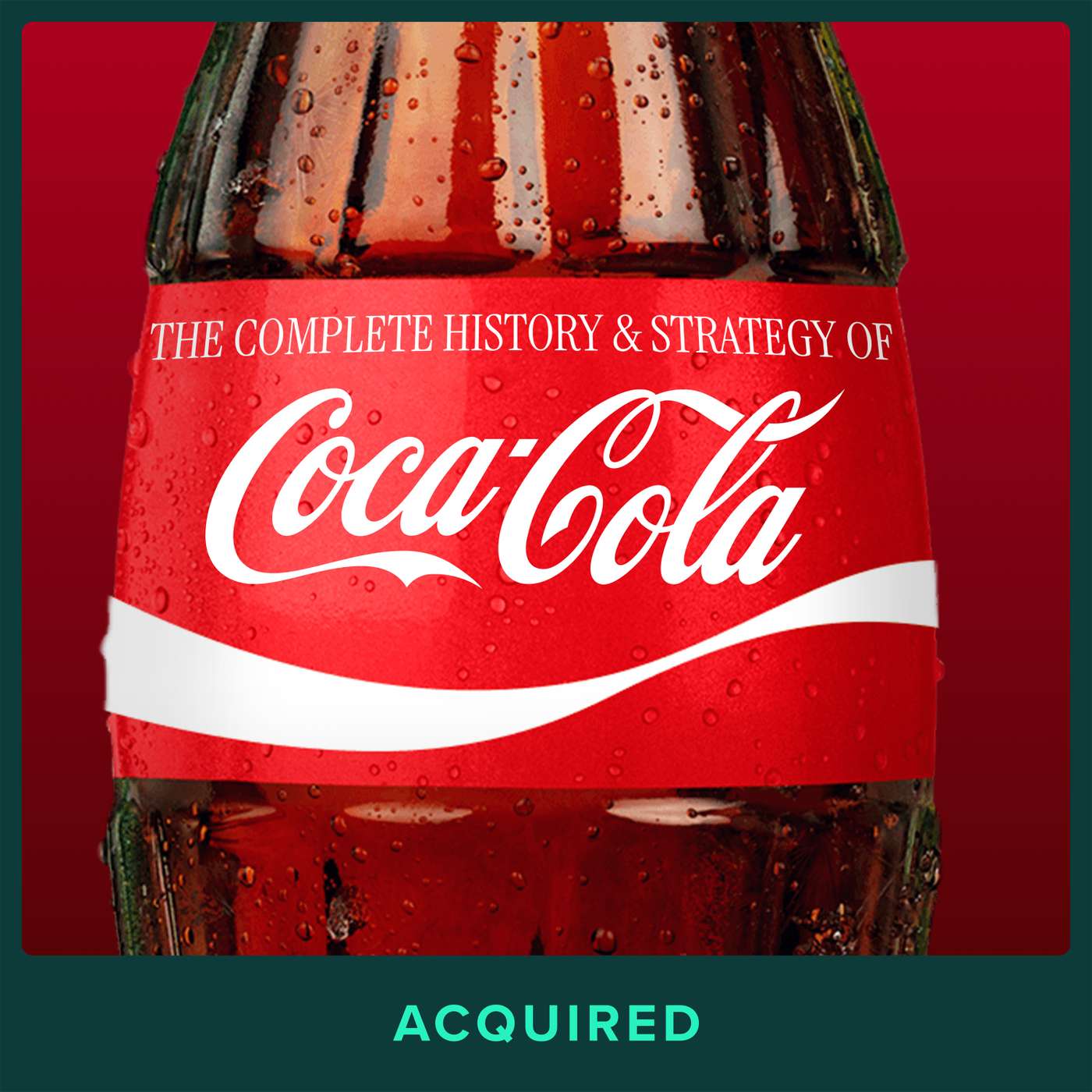
The market capitalization of the world's largest companies is overwhelmingly derived from non-physical assets like brand, intellectual property, and customer goodwill. Selling all of Coca-Cola's factories would yield far less value than retaining ownership of the name alone, proving that intangible meaning is the primary driver of modern enterprise value.

Related Insights
A brand's true value is derived from the personal meaning a consumer attributes to it. This is distinct from its 'worth,' which is merely the transactional price the market will bear. The goal is to build meaning, which in turn drives up perceived value and justifies market worth.
A powerful brand not only increases customers' 'willingness to pay' but also improves stakeholders' 'willingness to sell.' This lowers costs across the business, as strong brands can attract top talent for lower salaries, secure better supplier terms, and reduce their cost of capital and debt due to a lower perceived risk.
Coca-Cola's legal team extended its IP moat beyond the brand name. They commissioned a bottle "so distinct that you would recognize it by feel in the dark" and successfully argued for its shape to be granted trademark status, a rare accomplishment that created a powerful, non-verbal brand defender.
To prove brand's financial impact, connect it to the three core levers of Customer Lifetime Value (CLV). A strong brand lowers customer acquisition costs, increases retention, and supports higher margins through pricing power. Since aggregate CLV is tied to firm valuation, this makes brand's contribution tangible to a CFO.
Former AB InBev CMO Chris Burgrave argues that brand building is a financial activity, not just a marketing one. A brand's ultimate purpose is to de-risk a business by creating repeatable, predictable future cash flows. This reframes the conversation from soft metrics to tangible financial outcomes like growth, profit, and risk reduction.
Coca-Cola markets a sugary beverage with no nutritional value by completely ignoring product attributes. Instead, its brand is built on emotionally resonant stories of happiness and togetherness, proving that a powerful intangible idea can be more persuasive than the tangible product itself.
A business with a generic name, boring logo, and no personality is just a "company" and will always struggle to charge more. Building a memorable "brand" signals seriousness and investment, allowing you to stand out and justify a higher price point.

Companies like Tesla and Oracle achieve massive valuations not through profits, but by capturing the dominant market story, such as becoming an "AI company." Investors should analyze a company's ability to create and own the next compelling narrative.

Traditional valuation multiples are increasingly misleading because GAAP rules expense intangible investments (R&D, brand building) rather than capitalizing them. For a company like Microsoft, properly capitalizing these investments can drop its P/E ratio from 35 to 30, revealing a more attractive valuation.
To get buy-in from financial stakeholders, translate the 'soft' concept of brand love into hard metrics. Loved brands can command higher prices, maximize customer lifetime value, and reduce customer acquisition costs through organic advocacy, proving brand is a tangible asset.