Get your free personalized podcast brief
We scan new podcasts and send you the top 5 insights daily.
The value of an integrated AI platform compounds over time. Integrations and knowledge built for one channel (like chat) can be instantly redeployed to others (like voice) or used to assist human agents without rebuilding. This lets organizations focus on value, not redundant architecture.

Related Insights
Businesses currently present disconnected personalities to customers across sales, service, and marketing. AI agents can bridge these silos to create a seamless, long-running dialogue that remembers context throughout the entire customer journey, fundamentally transforming the customer relationship.

In the AI era, enterprises reject the fragmented, best-of-breed SaaS model. They prefer a single AI platform that handles entire workflows across departments. This avoids data silos and streamlines compliance, making end-to-end automation the key value proposition.

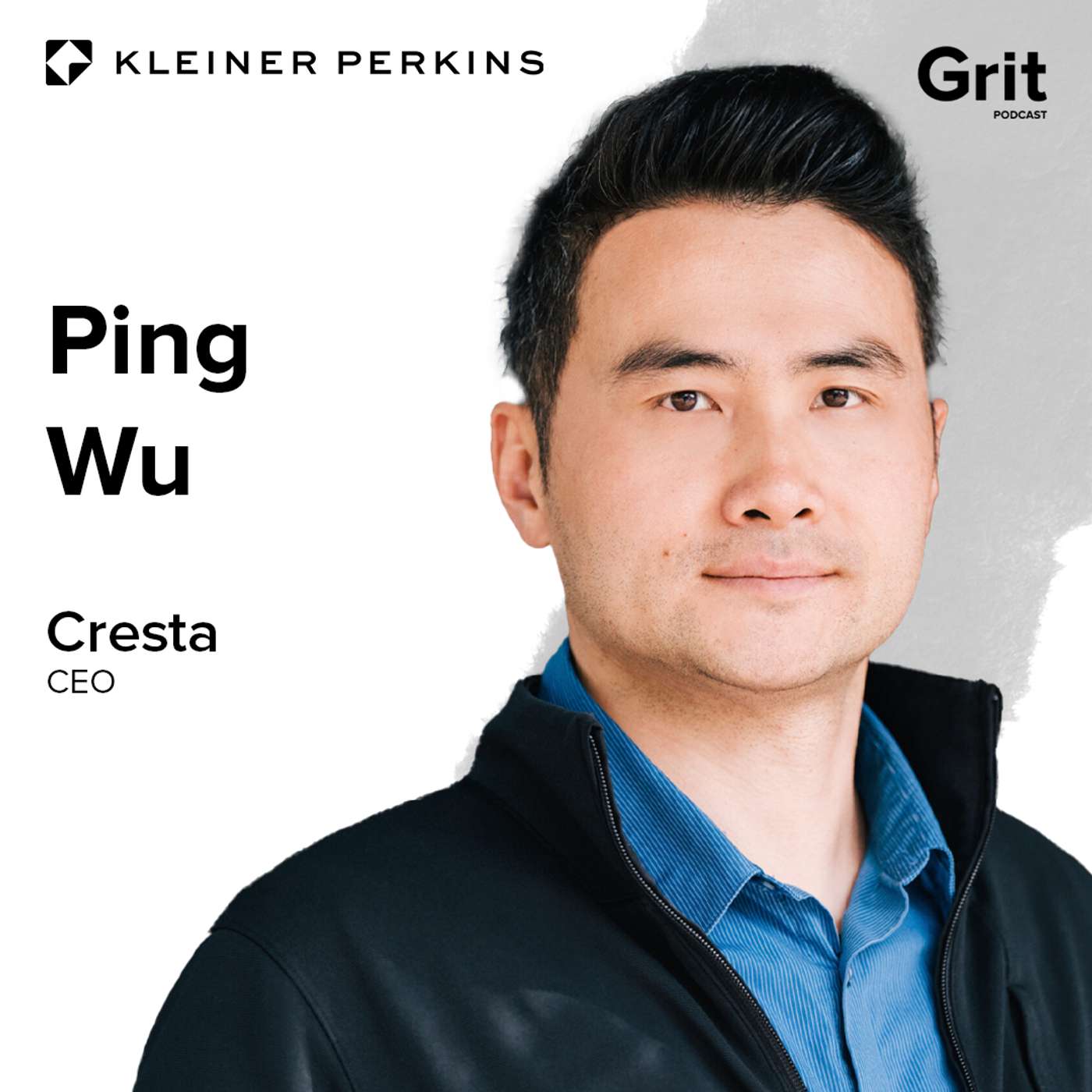
Cresta's CEO advocates for a single AI platform that both assists human agents and powers full automation. This creates a powerful feedback loop: when an AI agent fails, the system observes the human's successful resolution, capturing data to improve the next AI agent iteration.
Major AI platforms are becoming "super agents" that connect to a user's software (e.g., email, YouTube) and use "skills" to perform complex, autonomous tasks. This convergence means the choice of platform is becoming a matter of user interface and integration preference rather than unique functionality.

Companies are licensing multiple AI tools like Copilot, ChatGPT, and Claude for different use cases. This fragmentation creates a significant business pain: a collection of disconnected AI products that don't share context. This "platform gap" is a major sales opportunity for vendors offering a unified, context-aware solution.

The "all-in-one" SaaS pitch is making a comeback because AI agents thrive on comprehensive context. Fragmented point solutions starve AI models of the necessary data to perform at a high level. Therefore, building a single platform that holds all the context is now a critical competitive advantage, not just a convenience.

The effectiveness of a Voice AI platform stems from its data infrastructure. By treating every customer interaction as a use case, stripping it of private data, and feeding it into a shared "graph," the system continuously trains all AIs on the platform. This creates a network effect where each business benefits from the collective experience.

Using a composable, 'plug and play' architecture allows teams to build specialized AI agents faster and with less overhead than integrating a monolithic third-party tool. This approach enables the creation of lightweight, tailored solutions for niche use cases without the complexity of external API integrations, containing the entire workflow within one platform.

Advanced organizations learn that stitching together multiple point solutions doesn't scale. They seek a single platform partner, and their maturity is evident when their focus shifts from getting one pilot to work to rapidly expanding new use cases across the enterprise at high velocity.
The true power of AI in a professional context comes from building a long-term history within one platform. By consistently using and correcting a single tool like ChatGPT or Claude, you train it on your specific needs and business, creating a compounding effect where its outputs become progressively more personalized and useful.
