Get your free personalized podcast brief
We scan new podcasts and send you the top 5 insights daily.
In the AI era, enterprises reject the fragmented, best-of-breed SaaS model. They prefer a single AI platform that handles entire workflows across departments. This avoids data silos and streamlines compliance, making end-to-end automation the key value proposition.

Related Insights
OpenAI's "Frontier" platform architecture reveals a strategy to insert layers of intelligence and action *on top of* existing enterprise systems of record (e.g., CRMs). This positions OpenAI to capture user value and relationships, reducing established SaaS players to commoditized data repositories or "dumb pipes."

According to Okta's CEO, the most valuable application for AI agents in the enterprise will be orchestrating complex processes that span multiple software silos (e.g., Salesforce, SAP, Content Management). This is a task that has historically been difficult to automate with packaged software and required human intervention, representing a massive new opportunity.

Customers now expect DaaS vendors to provide "agentic AI" that automates and orchestrates the entire workflow—from data integration to delivering actionable intelligence. The vendor's responsibility has shifted from merely delivering raw data to owning the execution of a business outcome, where swift integration is synonymous with retention.

Building a single AI tool is not enough. The real value lies in becoming the 'conductor,' creating a system that orchestrates multiple specialized AI agents to complete complex workflows. Whoever owns this coordination layer owns the entire value flow.

Point-solution SaaS products are at a massive disadvantage in the age of AI because they lack the broad, integrated dataset needed to power effective features. Bundled platforms that 'own the mine' of data are best positioned to win, as AI can perform magic when it has access to a rich, semantic data layer.
The cloud era created a fragmented landscape of single-purpose SaaS tools, leading to enterprise fatigue. AI enables unified platforms to perform these specialized tasks, creating a massive consolidation wave and disrupting the niche application market.
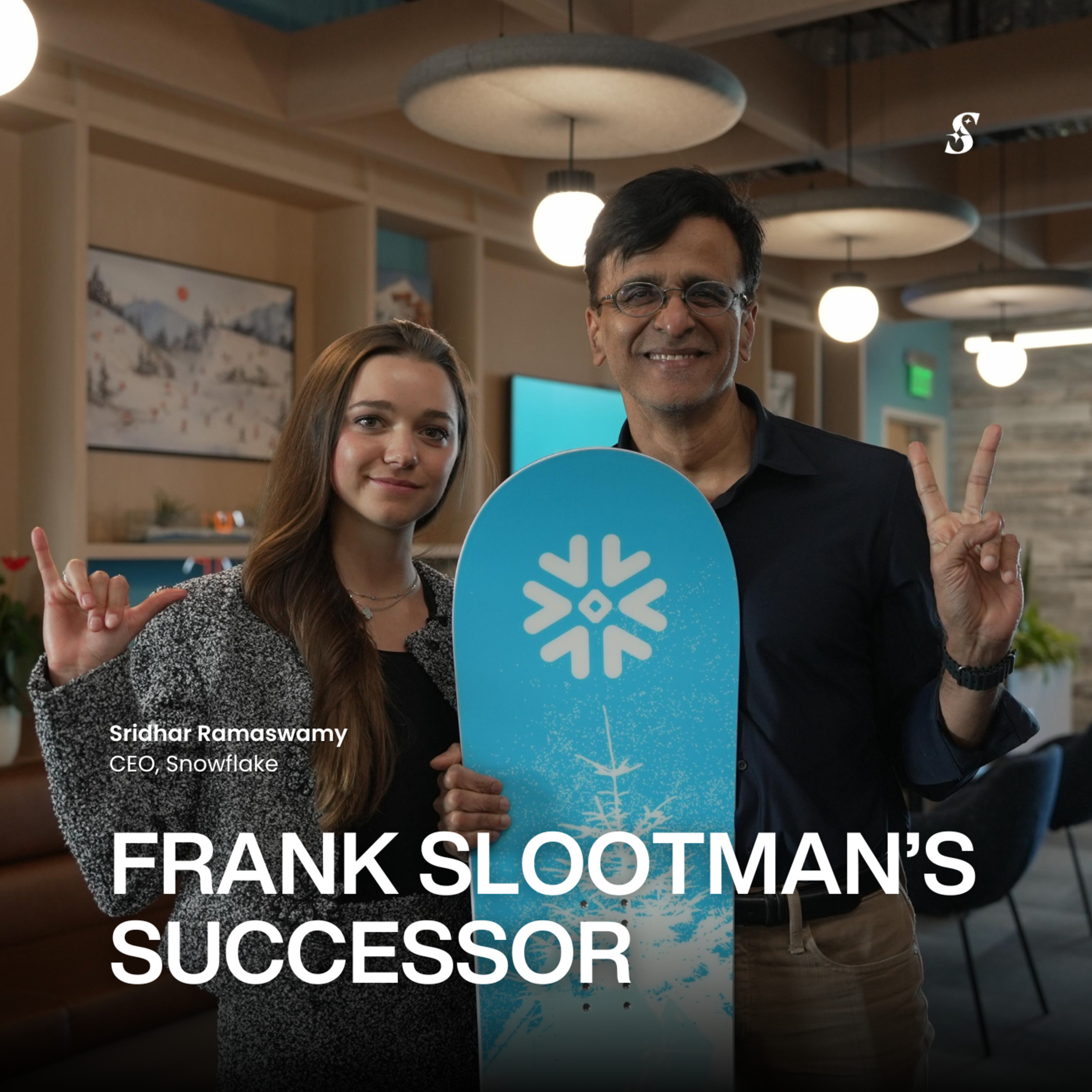
ServiceNow’s strategy is not to compete with LLMs or hyperscalers but to be the essential integration fabric connecting them. By acting as the "AI control tower" or "central nervous system," the platform provides value by orchestrating workflows across all these disparate, powerful systems.
Legacy companies are siloed, creating IT "spaghetti" that blocks AI progress. In contrast, AI-native organizations structure themselves around a central "AI factory" or unified data platform. Business units function like apps on an iPhone, accessing shared, controlled data to rapidly innovate and deploy new services.
Traditional SaaS was built for siloed human departments (e.g., sales, marketing, support). AI enables a single agent to manage the entire customer journey, forcing these distinct software categories to converge into unified platforms.

The current market of specialized AI agents for narrow tasks, like specific sales versus support conversations, will not last. The industry is moving towards singular agents or orchestration layers that manage the entire customer lifecycle, threatening the viability of siloed, single-purpose startups.
