Get your free personalized podcast brief
We scan new podcasts and send you the top 5 insights daily.
The true disruption of AI in filmmaking won't be cost reduction but the creation of entirely new, interactive formats. An Emmy-winning creator is building a detective series where the audience interacts in real-time and the AI writes the show as it unfolds, creating a consequential experience impossible with traditional technology.

Related Insights
Don't view generative AI video as just a way to make traditional films more efficiently. Ben Horowitz sees it as a fundamentally new creative medium, much like movies were to theater. It enables entirely new forms of storytelling by making visuals that once required massive budgets accessible to anyone.

People increasingly consume real-life events as passive entertainment. AI can economically enable mass-market interactive media where user choices create different outcomes. This could help teach that the future is contingent on our collective decisions, not a pre-written script to be watched.
The future of video isn't just AI-generated clips but a new, interactive media format akin to a video game. Synthesia's CEO envisions personalized, real-time experiences like sales training simulations or conversational movies. This evolution is currently bottlenecked by the high cost and bandwidth of inference, which next-gen infrastructure aims to solve.

AI models are already incredibly powerful, but their creative potential is limited by simple text prompts. The next breakthrough will be the development of sophisticated user interfaces that allow creators to edit scenes, control characters, and direct AI with precision, unlocking widespread adoption.

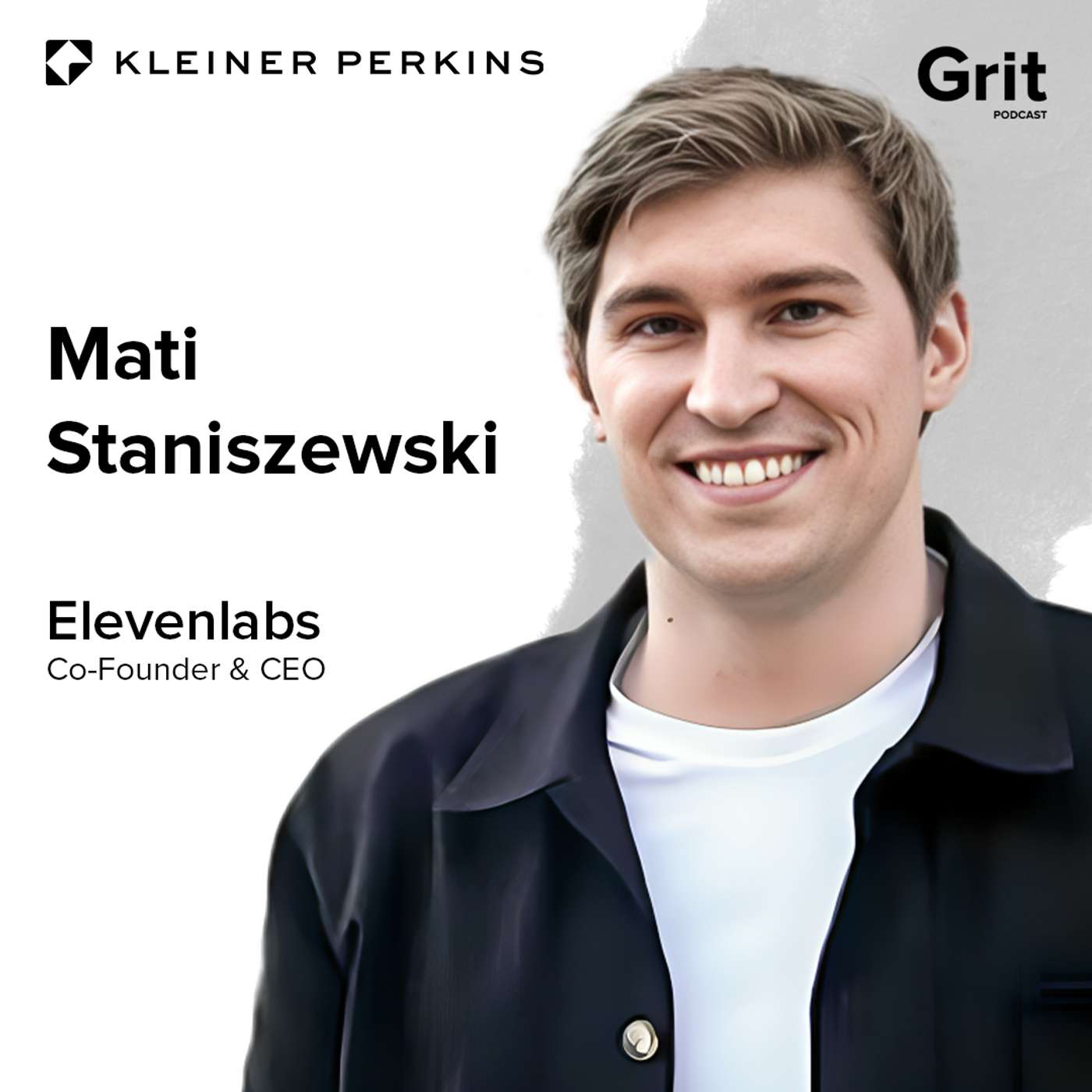
ElevenLabs' CEO predicts AI won't enable a single prompt-to-movie process soon. Instead, it will create a collaborative "middle-to-middle" workflow, where AI assists with specific stages like drafting scripts or generating voice options, which humans then refine in an iterative loop.
Social media allows anyone to be a "reality TV star," but creating high-production fiction requires immense capital. As AI tools democratize filmmaking, countless talented storytellers who prefer working behind the scenes—the Christopher Nolans of the world—can finally produce their visions.

The OpenAI team believes generative video won't just create traditional feature films more easily. It will give rise to entirely new mediums and creator classes, much like the film camera created cinema, a medium distinct from the recorded stage plays it was first used for.

The next evolution of media blurs the line between movies and video games. Using real-time AI generation, viewers can influence the plot, similar to Netflix's "Bandersnatch." This dramatically increases engagement and replay value for the same piece of content, creating a strong business case.

Sam Altman suggests AI will create a new form of entertainment on the spectrum between passive movies and intense games. Experiences will be more interactive than a film but less demanding than a typical video game, allowing users to lean back while also having moments of creative input.

AI video is evolving from passive generation to active engagement. Synthesia's new products focus on the intersection of video and AI agents, allowing users to, for example, watch a training video and then enter a role-playing simulation with an AI to test their comprehension.
