Get your free personalized podcast brief
We scan new podcasts and send you the top 5 insights daily.
The founders initially hesitated to post on Instagram. A professor's threat to fail them forced their hand, making them build their brand publicly from day one. This accidental strategy became central to creating their highly engaged community and gathering feedback.

Related Insights
Pistakio's founders were unsure about their next steps after college. However, a constant stream of messages from former farmer's market customers asking for their product convinced them to pursue the business seriously, proving customer pull is the ultimate validation.
Instead of hiding early product flaws, founders can build a stronger community by openly sharing their mistakes and the correction process. This transparency makes the brand more relatable and human, fostering trust and loyalty more effectively than projecting an image of perfection.
Instead of paying for traditional focus groups, early-stage founders can post product ideas, like packaging designs, on social media. This provides an instantaneous and free feedback loop directly from potential customers, enabling rapid, data-informed iteration before committing to costly production.
The founders started a TikTok series documenting their journey of quitting corporate jobs to start a pickle company months before launch. They sold their story as a "TV show," attracting a loyal following invested in them as people, not just a product.
Birdies founder Bianca Gates argues that real community isn't a marketing tactic. It emerges organically from a founder's genuine need for help, leveraging personal networks for everything from feedback to early sales. This desperation creates authentic early evangelists.

For founders without a large marketing budget, building in public isn't optional. Lindsay Carter attributes Set Active's initial hype to sharing behind-the-scenes content on her personal social media. She argues that consumers want to root for the underdog, and showing the story—failures and all—is the most effective way to build a loyal following from scratch.
In its first six months, Alave's most effective marketing was incredibly simple: screenshotting every positive customer review from texts or DMs and posting them to Instagram Stories. This relentless stream of user-generated testimonials provided powerful, low-cost social proof that drove initial sales and built trust.
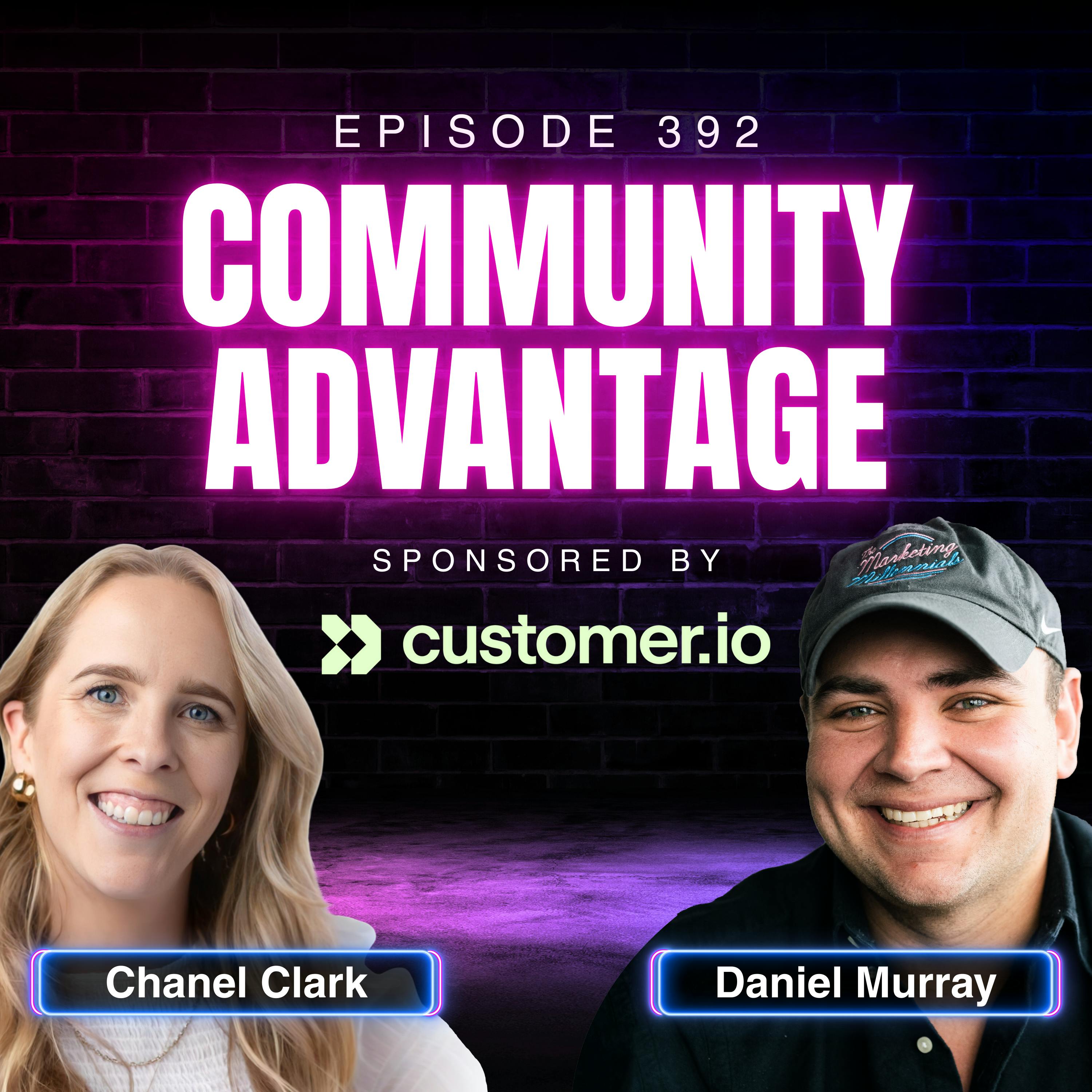
The Marketing Club (TMC) began not from a business plan, but from founder Chanel Clark's personal need as a solo marketer. A single, innocent LinkedIn post asking to connect with peers unexpectedly went viral, proving that organic, problem-led community origins are highly effective.
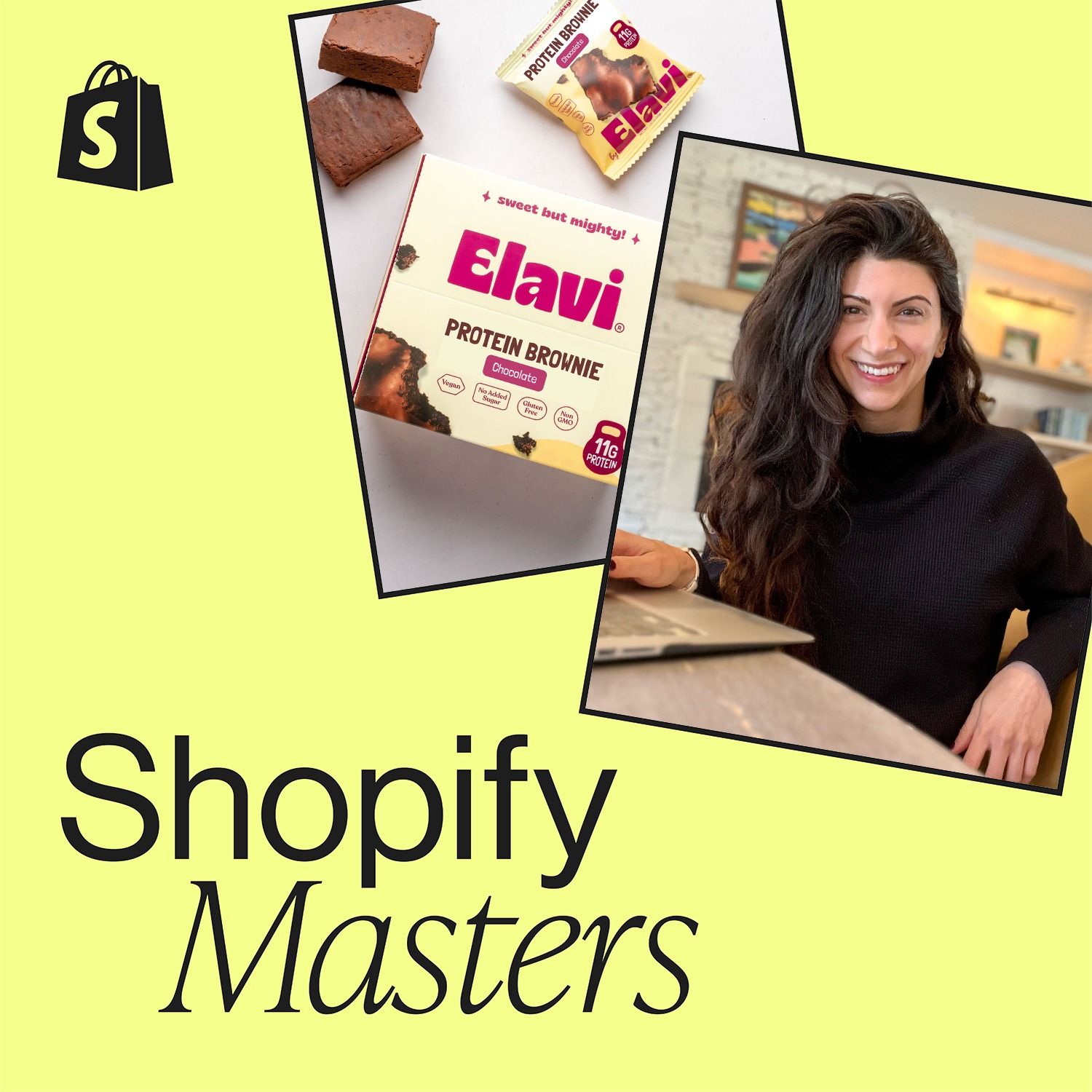
Bianca Gates argues against hiding your idea. Success comes from execution, which is impossible in isolation. By "begging" friends and early supporters for help, you build an invested community that becomes part of the product's iteration and success from day one.
An unexpected viral TikTok with 2M views forced founder Chelsea Branch to immediately build an e-commerce store and email list. This "done is better than perfect" approach captured momentum that a more deliberate, perfectionist launch plan would have missed, proving that action trumps planning when opportunity strikes.