Get your free personalized podcast brief
We scan new podcasts and send you the top 5 insights daily.
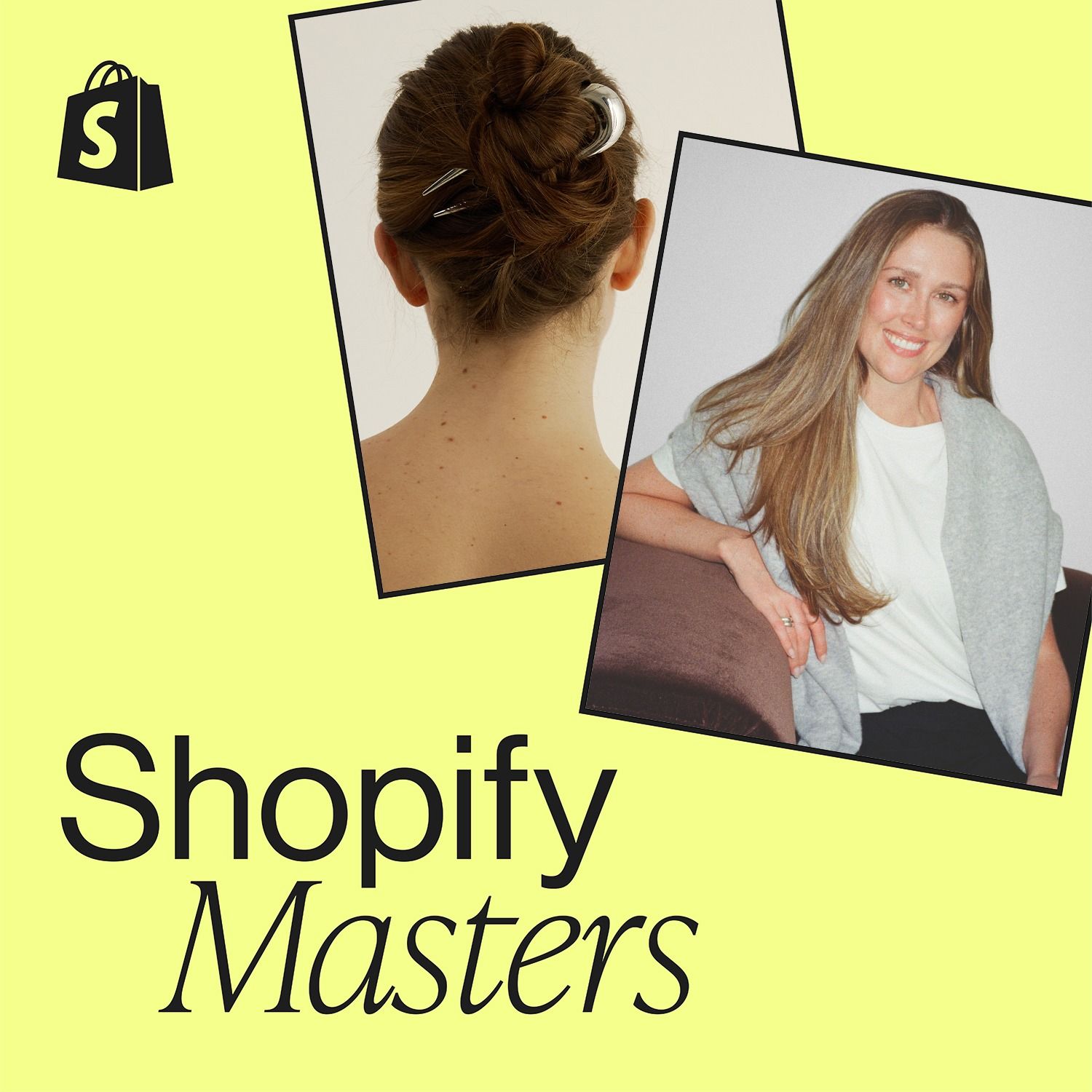
An unexpected viral TikTok with 2M views forced founder Chelsea Branch to immediately build an e-commerce store and email list. This "done is better than perfect" approach captured momentum that a more deliberate, perfectionist launch plan would have missed, proving that action trumps planning when opportunity strikes.
Related Insights
If you can't distill your product or idea into a compelling 30-second TikTok video, your core messaging and positioning aren't strong enough. This serves as a quick, effective test to refine marketing angles before investing more resources.
Juicebox's initial product went viral, gaining 100 paid users overnight. However, high churn revealed the product was weak. The team correctly interpreted this not as failure, but as "message-market fit"—proof they were solving a real pain point, which gave them the conviction to keep building.

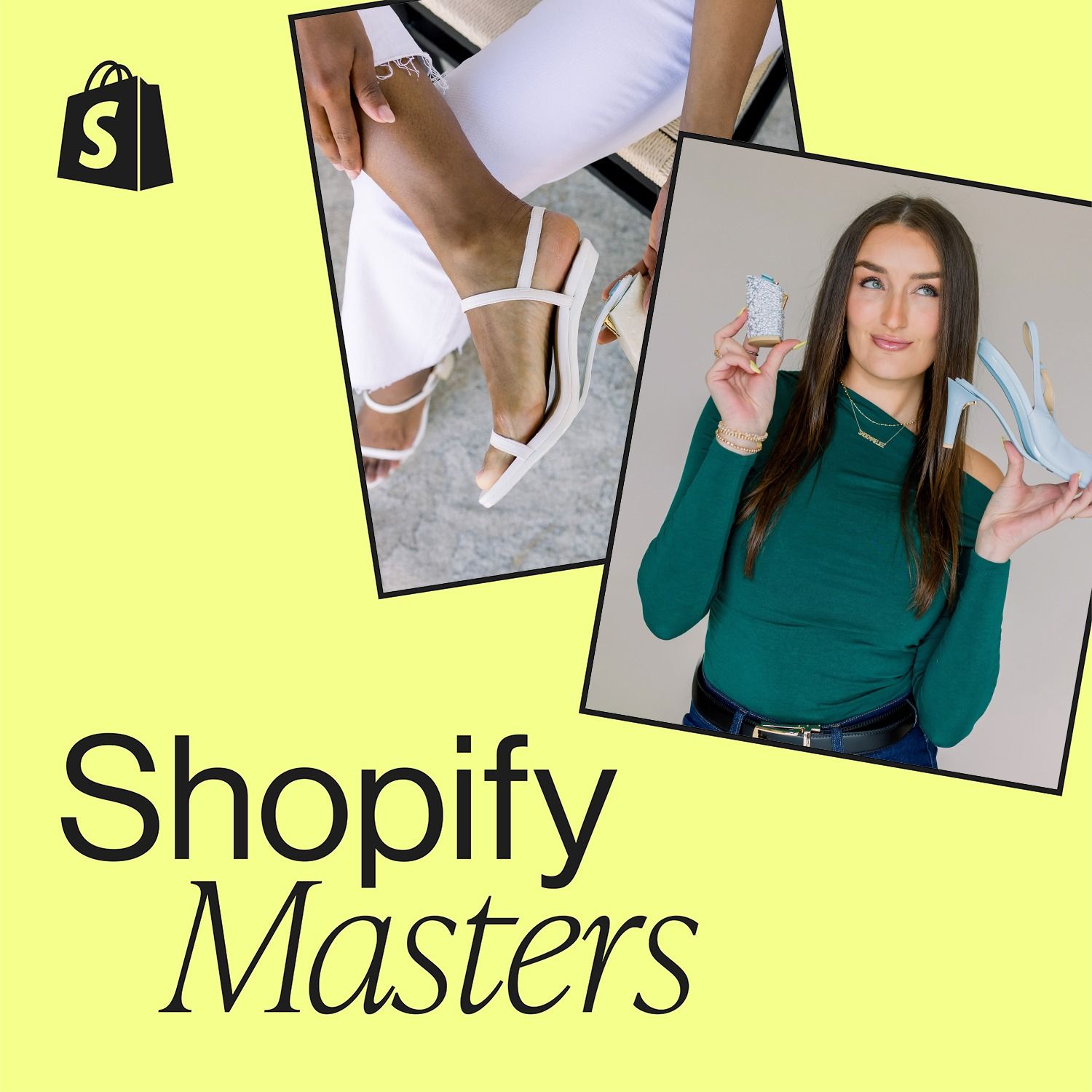
At pop-up events, founder Haley Pavoni saw a 90% purchase rate when she demonstrated her convertible shoe, versus near-zero otherwise. Realizing the demo was key, she scaled that experience by filming TikToks, creating a highly effective, zero-cost customer acquisition channel.
Elf Beauty CEO Tarang Amin practices a "zero distance" policy by engaging directly with customers on TikTok Live. After being "terrorized" by user requests for a new product, he overruled an 18-month timeline and launched it in just six months, showing how direct community feedback can radically accelerate a product pipeline.

Instead of building a coffee shop, the founders tested their 'one-item menu' concept by creating a TikTok video and design mockups. The posts generated millions of impressions, confirming massive market interest and de-risking the venture before any significant capital was spent.

The Push-scroll app team first created a viral TikTok video pretending their app already existed. When the video confirmed massive demand, they built it. This "if they come, we will build it" approach inverts the traditional model and significantly de-risks development.

After going viral, Kōv Essentials felt a chronic pressure to replicate that moment. They learned virality doesn't convert as effectively anymore and shifted their strategy. Instead of constant viral attempts, they now place one "viral-style" post per month to attract followers and spend the rest of the time nurturing that audience.
Instead of building a full app, creating a compelling video of a unique UI/UX concept and posting it on social media can validate demand. For a calorie tracking app in a saturated market, a viral video showcasing a novel interaction pattern generated an 800-person waitlist, proving product-market fit before significant development.

Instead of manufacturing demand, find existing attention and 'vibe code' a solution. Mark Liu saw a Peter Levels tweet about fake MRR screenshots go viral, shipped a verification tool in 48 hours, and piggybacked on the virality. The key is extreme speed and quitting fast if it fails.
To ensure market fit, Kōv Essentials records TikTok videos unboxing manufacturing samples and directly asks for community feedback on the design. For products the founder can't personally test, they send samples to a dedicated test group of customers, building hype and de-risking new product launches.