Get your free personalized podcast brief
We scan new podcasts and send you the top 5 insights daily.
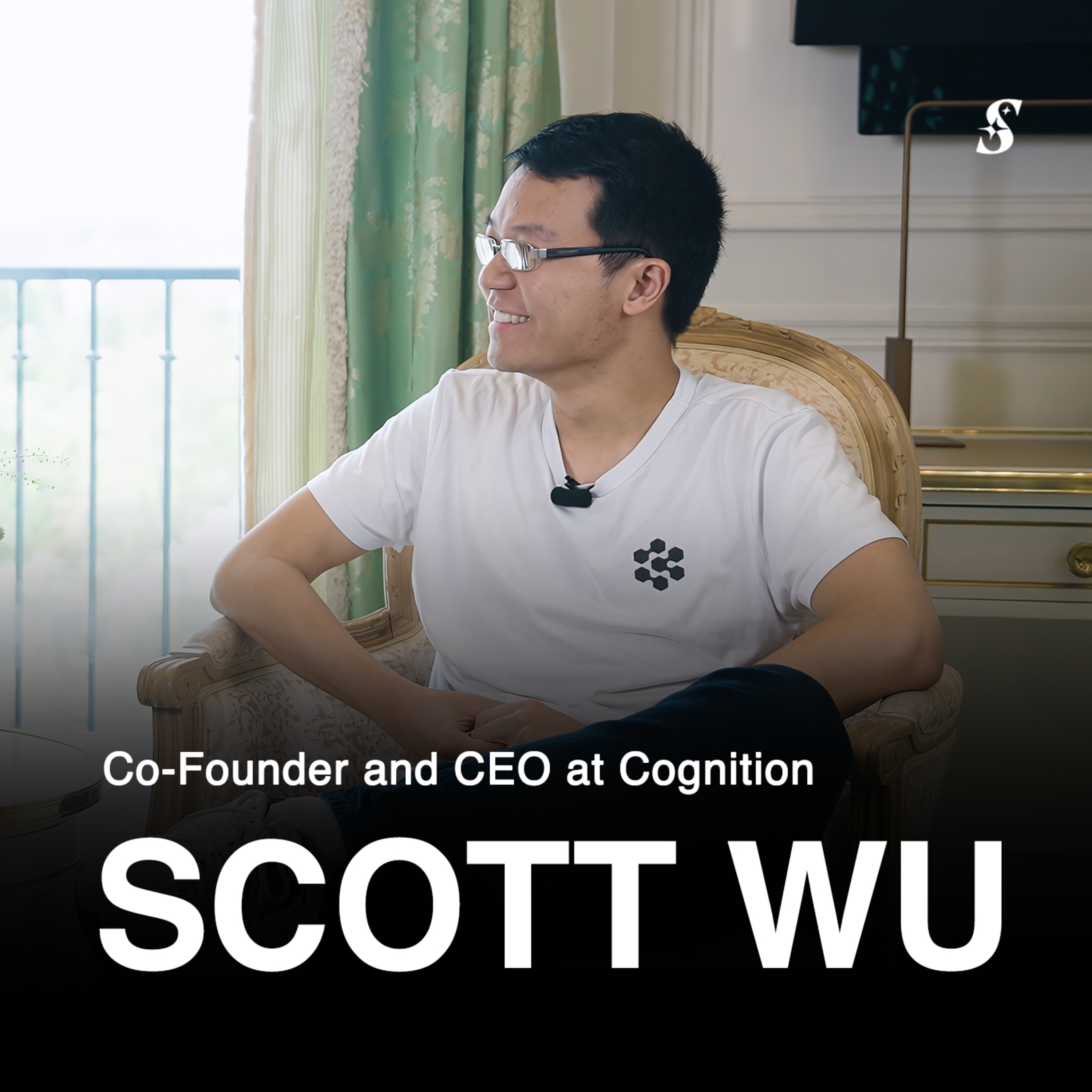
The "aha" moment for Devin, Cognition's AI engineer, wasn't a theoretical exercise but a practical one: a co-founder got stuck setting up MongoDB. The agent's ability to diagnose and fix the complex, real-world issue proved the concept's viability, showing that breakthrough innovation often starts with solving your own problems.
Related Insights
An experienced engineer built a new programming language, 'Roo', as a side project, which was only possible because AI agents handled tedious implementation. This allowed him to focus on high-level architecture and design, overcoming personal time constraints for a complex undertaking.

Monologue's developer treats AI tools like Claude Code and GPT-5 as his engineering team. He credits GPT-5's ability to navigate poorly documented, legacy Mac code from the 1980s as a "biggest unlock," enabling him to build a production-grade app without hiring specialist developers.

Investor Brent Beshore's experience demonstrates a step-function change, not a gradual evolution. His firm's agentic AI projects, which failed after months of effort, were completed in minutes using Claude Cowork just weeks later. This highlights the surprisingly rapid transition of agentic AI from a theoretical concept to a practical, value-creating tool.

Braintrust's CEO Ankur Goyal uses AI coding agents to solve deep technical challenges like optimizing database queries. The agents exhaustively test different solutions from database literature, a task too tedious and time-consuming for human engineers, proving AI's value on complex, high-risk problems.

The industry was surprised to learn that the tool-calling and problem-solving DNA of coding agents provides the necessary foundation for general-purpose agents. This was not the anticipated route to AGI, which labs hadn't explicitly trained for, yet it has become the dominant and most promising approach.

AI coding assistants rapidly conduct complex technical research that would take a human engineer hours. They can synthesize information from disparate sources like GitHub issues, two-year-old developer forum posts, and source code to find solutions to obscure problems in minutes.

The defining characteristic of a powerful AI agent is its ability to creatively solve problems when it hits a dead end. As demonstrated by an agent that independently figured out how to convert an unsupported audio file, its value lies in its emergent problem-solving skills rather than just following a pre-defined script.

A real business problem that had persisted for years, costing significant annual revenue, was fully solved in a single 30-minute session with an AI coding assistant. This demonstrates how AI can overcome the engineering resource scarcity that allows known, expensive issues to fester.
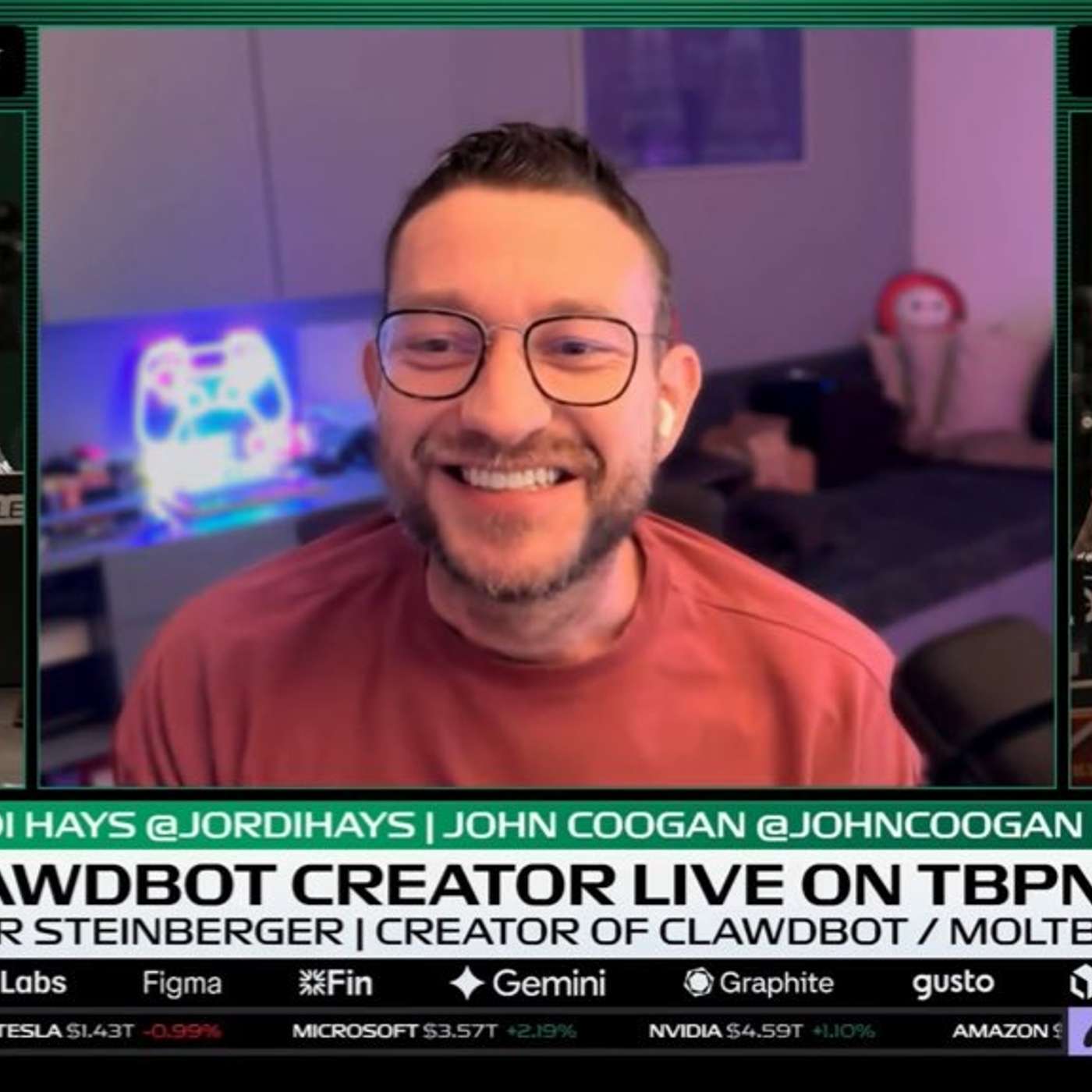
The creator realized his project's true potential only when the AI agent, unprompted, figured out how to transcribe an unsupported voice file by converting it and using an OpenAI API. This shows how a product's core value can derive from emergent, unexpected AI capabilities, not just planned features.
A solo founder runs his $1.5M ARR SaaS with an in-house "AI brain" that does more than customer support. It connects to the database and codebase to identify, fix, and deploy solutions for bugs automatically, creating a self-healing system that operates 24/7.