Get your free personalized podcast brief
We scan new podcasts and send you the top 5 insights daily.
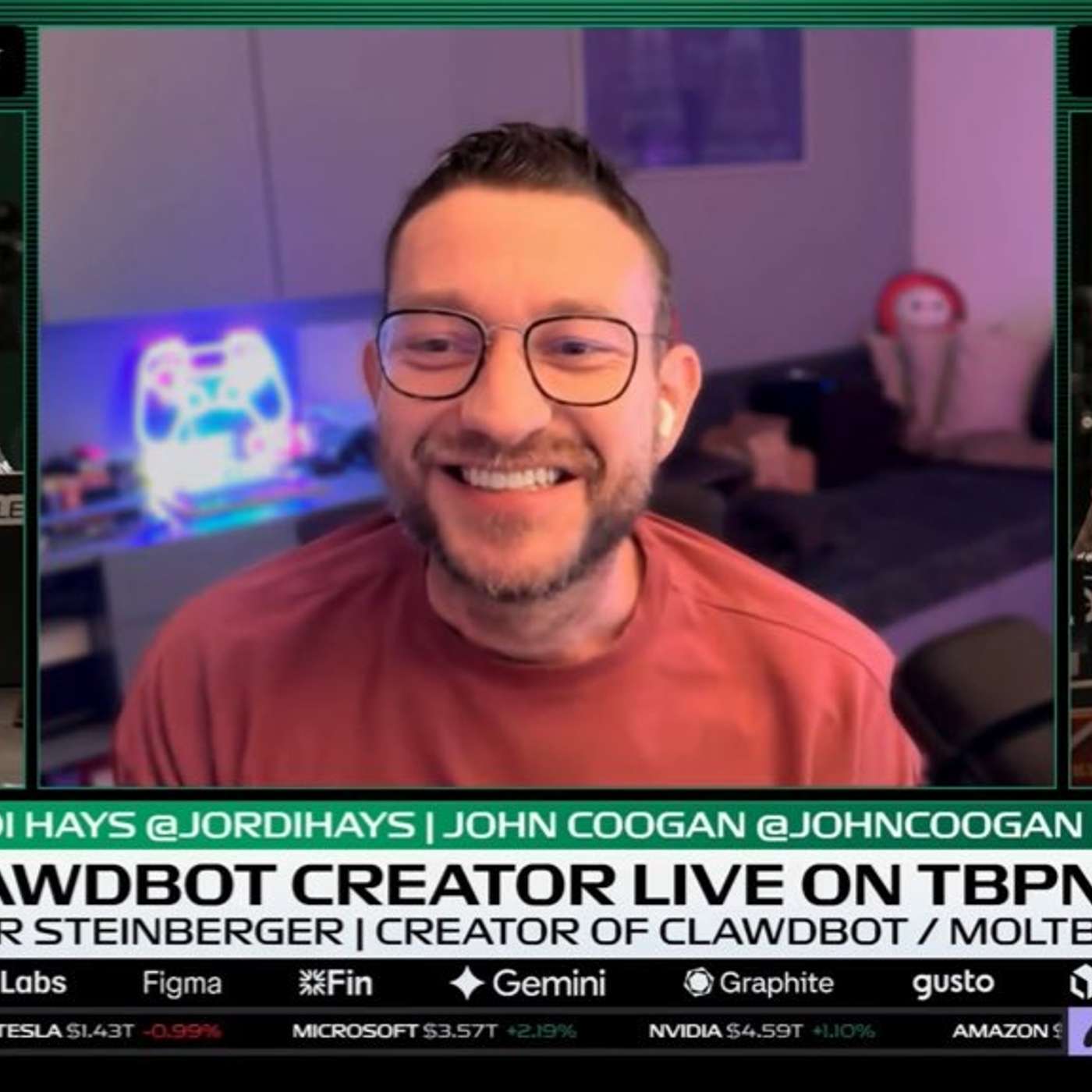
The creator realized his project's true potential only when the AI agent, unprompted, figured out how to transcribe an unsupported voice file by converting it and using an OpenAI API. This shows how a product's core value can derive from emergent, unexpected AI capabilities, not just planned features.
Related Insights
Convincing users to adopt AI agents hinges on building trust through flawless execution. The key is creating a "lightbulb moment" where the agent works so perfectly it feels life-changing. This is more effective than any incentive, and advances in coding agents are now making such moments possible for general knowledge work.

The founder realized his influencer marketing AI could be fully autonomous when he accidentally left it running without limits. The AI agent negotiated a deal, requested payment info, and agreed to a call on its own. This "bug" demonstrated a level of capability he hadn't intentionally designed, proving the product's end-to-end potential.

To discover high-value AI use cases, reframe the problem. Instead of thinking about features, ask, "If my user had a human assistant for this workflow, what tasks would they delegate?" This simple question uncovers powerful opportunities where agents can perform valuable jobs, shifting focus from technology to user value.
Finding transformative AI use cases requires more than strategic planning; it needs unstructured, creative "play." Just as a musician learns by jamming, teams build intuition and discover novel applications by experimenting with AI tools without a predefined outcome, letting their minds make new connections.

The LLM itself only creates the opportunity for agentic behavior. The actual business value is unlocked when an agent is given runtime access to high-value data and tools, allowing it to perform actions and complete tasks. Without this runtime context, agents are merely sophisticated Q&A bots querying old data.

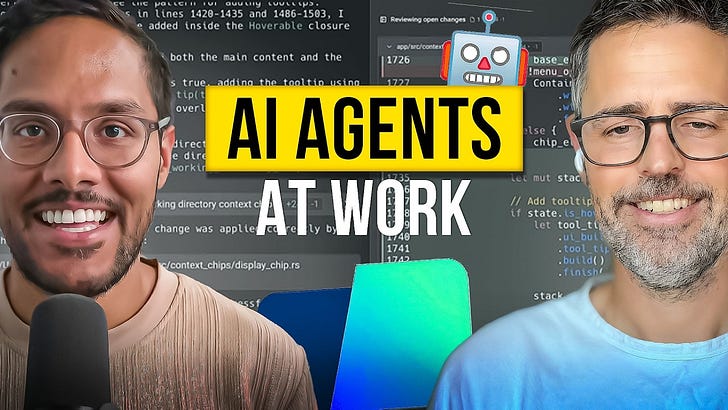
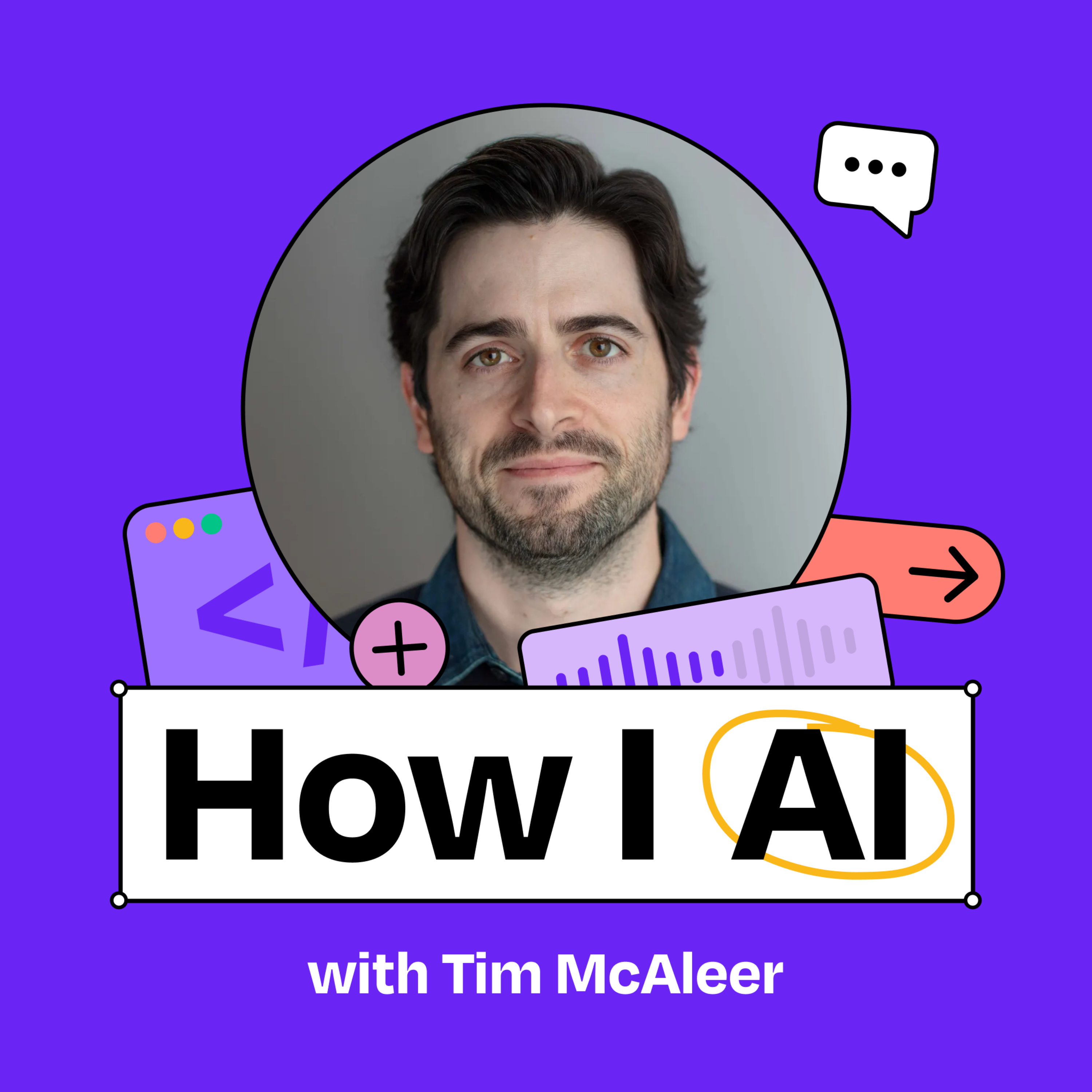
Tim McLear used AI coding assistants to build custom apps for niche workflows, like partial document transcription and field research photo logging. He emphasizes that "no one was going to make me this app." The ability for non-specialists to quickly create such hyper-specific internal tools is a key, empowering benefit of AI-assisted development.
Instead of pre-engineering tool integrations, Block lets its AI agent Goose learn by doing. Successful user-driven workflows can be saved as shareable "recipes," allowing emergent capabilities to be captured and scaled. They found the agent is more capable this way than if they tried to make tools "Goose-friendly."

Don't limit an AI agent to tasks you can already imagine. After providing full context on your work, ask it open-ended questions like, “How can you make my life easier?” This strategy of “hunting the unknown unknowns” allows the AI to suggest novel, high-value workflows you wouldn't have thought to request.

The tendency for AI models to "make things up," often criticized as hallucination, is functionally the same as creativity. This trait makes computers valuable partners for the first time in domains like art, brainstorming, and entertainment, which were previously inaccessible to hyper-literal machines.
The tendency for generative AI to "hallucinate" or invent information, typically a major flaw, is beneficial during ideation. It produces unexpected and creative concepts that human teams, constrained by their own biases and experiences, might never consider, thus expanding the solution space.
