Get your free personalized podcast brief
We scan new podcasts and send you the top 5 insights daily.
A cognitive trap called "motive attribution asymmetry" causes us to believe our side acts from love while the other acts from hate. This assumption, comparable to levels seen between Israelis and Palestinians, shuts down listening and makes compromise impossible by framing disagreement as a battle between good and evil.

Related Insights
We naturally believe our perception of the world is an objective reality. When someone disagrees, this cognitive trap leads us to conclude they must be uninformed, irrational, or biased, rather than simply having a different valid perspective. Recognizing this bias in ourselves is the first step to better disagreement.
Rising support for violence on campus stems from a belief that political opponents represent 'genuine evil' or 'fascism,' not just a differing opinion. This moral framing removes normal constraints on behavior, making violence seem like a necessary and justifiable response.

Cable news and social media don't show the average person who votes differently. They blast the loudest, most cartoonish "professional lunatics" from the opposing side. This creates a false impression that the entire opposition is extreme, making tribalism seem rational.

The "fundamental attribution error" bias causes us to assume negative intent. When someone cuts us off in traffic, we judge their action ("they're a jerk"). When we do it, we justify our intention ("I'm rushing"). Recognizing this psychological tendency in ourselves is the first step to overcoming it at work.

Political divisiveness becomes corrosive not when people disagree on policy, but when they view opponents with contempt. Disagreement states, "You're wrong," which is healthy for debate. Contempt states, "You're beneath me," which destroys the possibility of connection and turns opponents into enemies.
Our 'animal brains' are prediction machines that hate the anxiety of uncertainty. In complex political situations, we instinctively latch onto simple, certain explanations like scapegoating. This intuitive reaction bypasses rational thought and fuels outrage and division.

People online don't evaluate political statements for factual accuracy. Instead, they use an "us vs. them" filter. If the speaker is on their team, the statement is good; if they're on the other team, it's bad, regardless of content or logic.
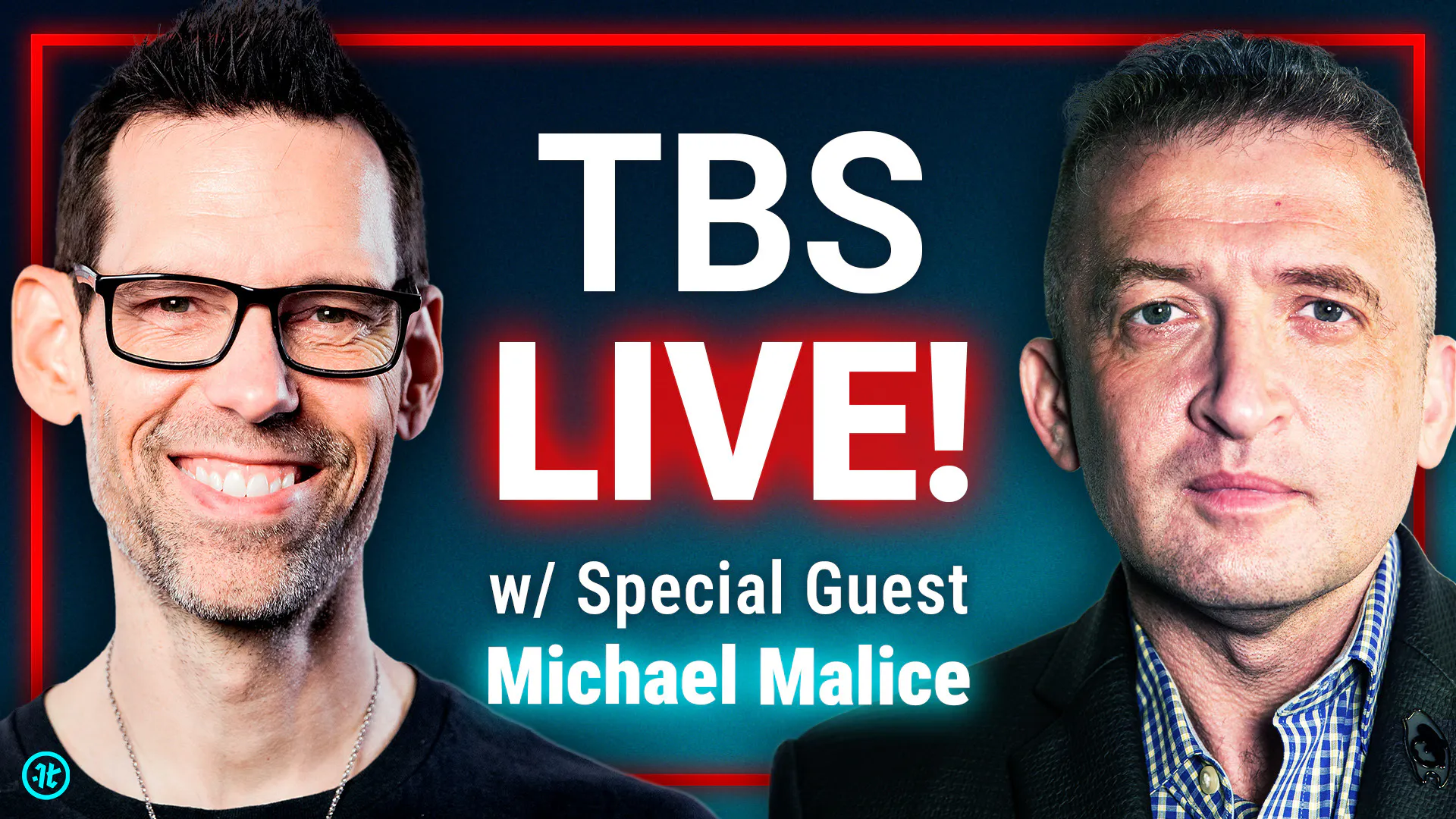
This psychological mechanism flips a switch, intensifying love for one's in-group while enabling murderous hatred for an out-group. It recasts political rivals as existential threats, making violence seem not just acceptable, but morally necessary for the group's survival.

In the aftermath of political violence, the targeted group often mirrors the very dehumanizing tactics they condemn. While correctly identifying an attacker's ideology, they risk escalating the conflict by applying labels like 'evil' to the entire opposing side, thus perpetuating the cycle of radicalization that fuels violence.

Humans are hardwired to escalate disagreements because of a cognitive bias called the 'fundamental attribution error.' We tend to blame others' actions on their personality traits (e.g., 'they're a cheat') far more readily than we consider situational explanations (e.g., 'they misunderstood the rules'). This assumption of negative intent fuels conflict.