Get your free personalized podcast brief
We scan new podcasts and send you the top 5 insights daily.
California Cultured is commercializing a premium, high-flavanol cocoa powder first. This niche, high-margin product generates revenue and funds the R&D required to lower COGS for future, lower-priced commodity products like conventional cocoa and coffee, mirroring Tesla's Roadster-to-Model 3 strategy.

Related Insights
Instead of starting in a kitchen, CPG entrepreneur Emma Hernan bought a manufacturing facility first. This generated revenue by co-packing for other brands, secured her own supply chain, and created multiple income streams from a single asset before her product even launched.

Founders often mistakenly start with low-margin, mass-market products (the "save the whales" syndrome), which makes the business look damaged. A better strategy is to start at the high end with less price-sensitive customers. This builds a premium brand and generates the capital required to address the broader market later.

Fruitist achieved a $1 billion valuation by transforming the blueberry from a supporting ingredient into a standalone snack or meal replacement. By engineering a jumbo-sized, consistent product, they created a new product category and unlocked premium pricing.

To make commodity products like cocoa economically viable, California Cultured rejects expensive stainless-steel bioreactors (costing up to $1M). Instead, they use simple plastic tanks costing only a few thousand dollars. This drastically reduces CapEx and is a fundamental shift in biomanufacturing philosophy for low-margin goods.
Jane Wurwand advises a premium food startup to avoid large supermarkets early on. Big chains demand high volume and have long payment cycles that can crush a new business. Instead, focus on small, high-end local grocers where the brand story can shine and payment terms are more manageable.

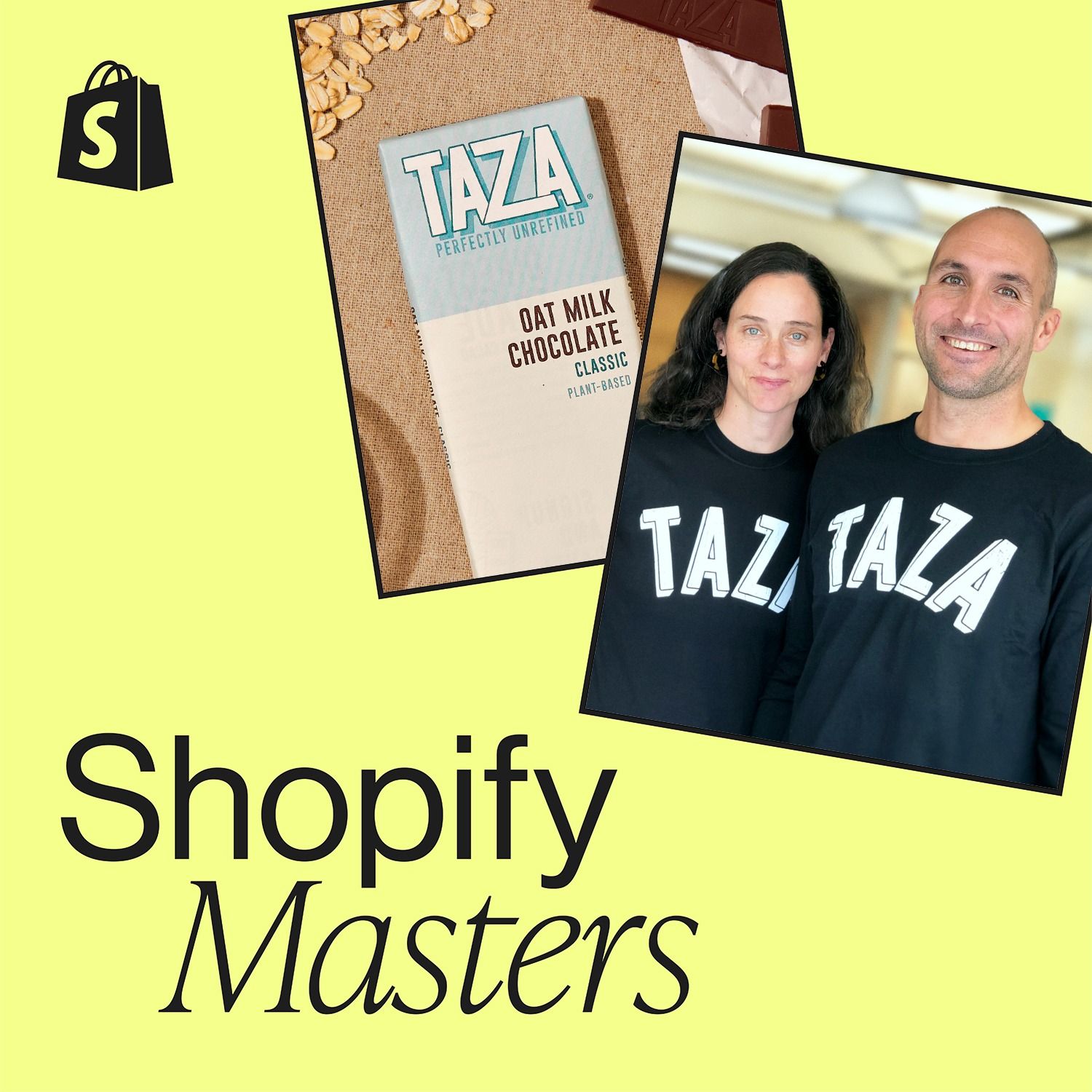
Taza's attempts to go mass-market with lower prices or "fun flavors" failed. They found success by listening to their core customers who wanted intense cacao flavor. Their #1 selling product, a 95% dark bar, proved the value of doubling down on their super-niche identity.
Counterintuitively, focusing on a single, powerful SKU can be more effective for initial growth than launching a full product line. It simplifies your message, makes you attractive to distributors who value efficiency, and builds a strong customer base before you introduce new offerings.
Unlike cultivated meat, which requires extensive downstream processing like scaffolding and formulation, plant cell products like cocoa are nearly finished post-bioreactor. The process is simply de-watering, drying, and milling, which significantly lowers costs and simplifies consumer understanding of the final product.
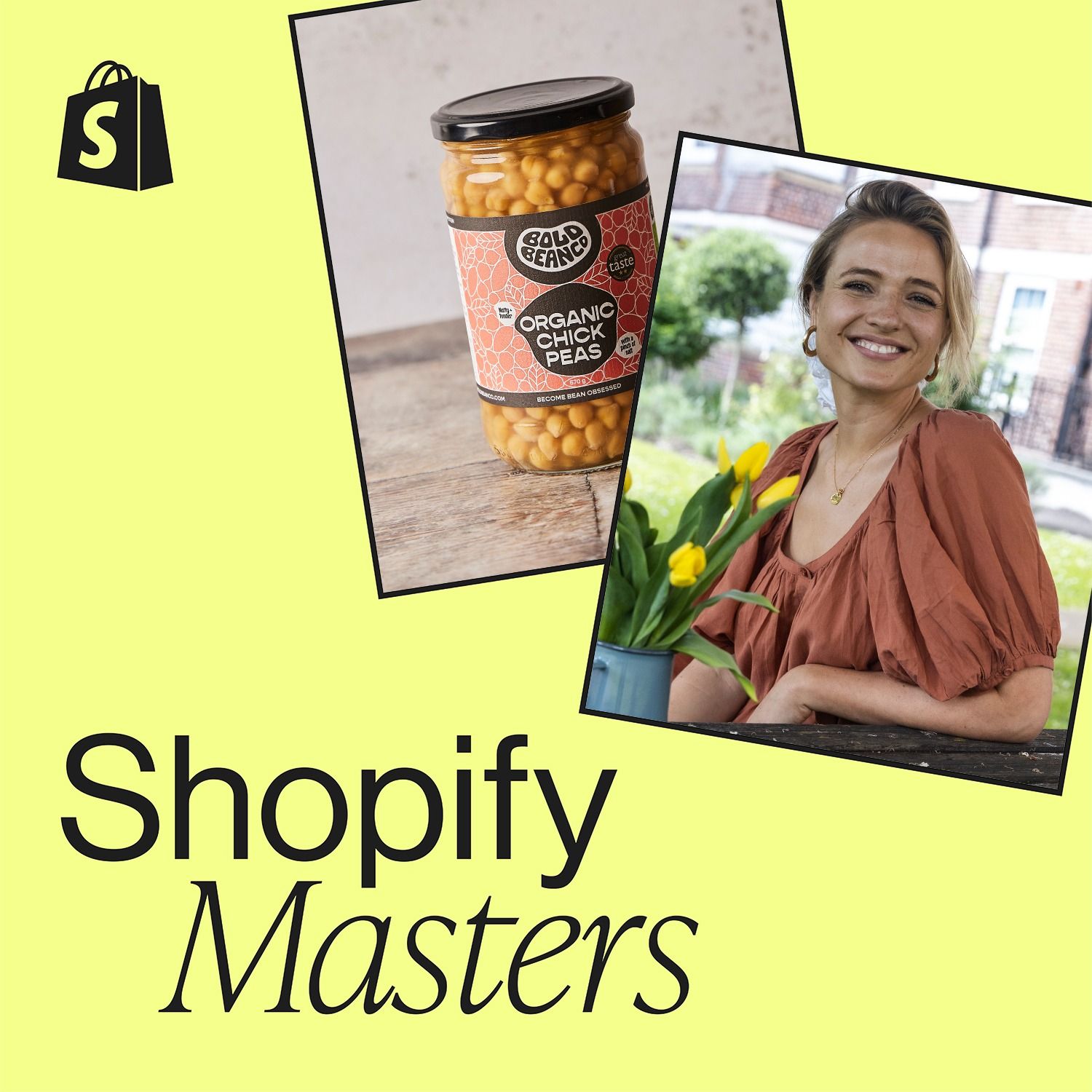
Bold Bean Co. found that creating a premium product in a "forgotten, dull" category like beans was a strategic advantage. The novelty makes consumers talk. People find it entertaining to become obsessed with beans, generating more word-of-mouth than launching yet another premium chocolate brand.
If your product category becomes commoditized, redefine your business around your core expertise. A kombucha maker isn't just selling a drink; they are in the 'probiotics' or 'gut health' business. This strategic reframing can unlock higher-margin opportunities like consulting and R&D.