Get your free personalized podcast brief
We scan new podcasts and send you the top 5 insights daily.
Lumanic's CEO encourages firms to build their own monitoring tools, knowing they'll likely succeed at the first 70% but fail on the brutal final 30% of edge cases. His data shows these prospects return, on average, nine months later.

Related Insights
Unlike sticky workflow software, data products are 'ingredients' that can sit unused. If a new customer doesn't integrate your data into a model, decision engine, or other tangible outcome within the first 12 weeks, the likelihood of renewal drops dramatically.
Frustration with a mediocre, AI-lacking vendor drove the decision to build a custom replacement, even when a commercial option existed. This signals a major vulnerability for incumbent SaaS players who fail to innovate with AI, as customers may choose to build rather than renew.
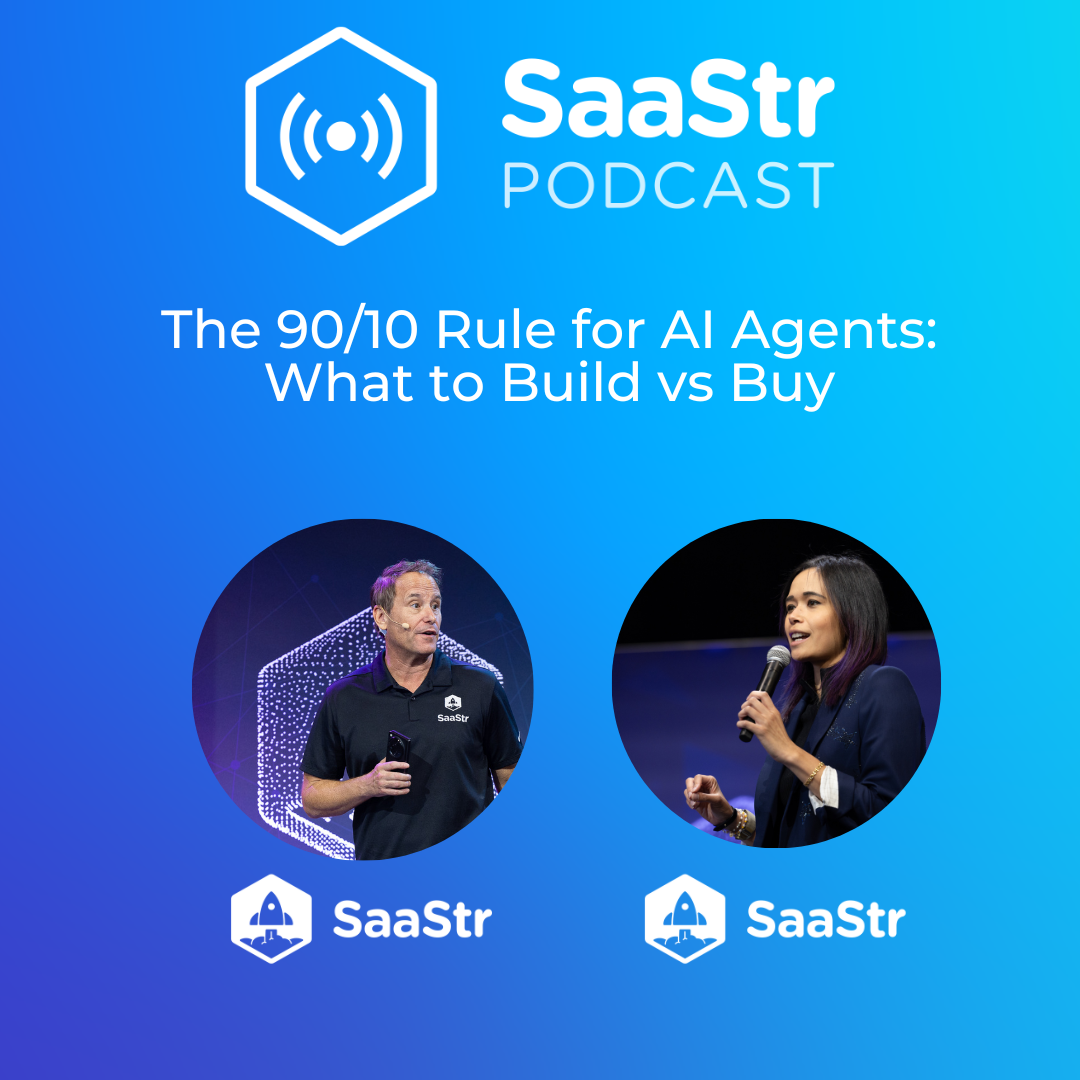
While AI can build an initial version of a software product instantly, the true, defensible value lies in the ongoing maintenance, support, and reliability. Customers will always pay for a product that is actively maintained and improved over time.

An internal agent, deeply integrated with proprietary company data and systems, can become superior to expensive, market-leading SaaS products. Replit cancelled a seven-figure contract because their custom, integrated solution was better and more adopted by employees, fundamentally changing the 'build vs. buy' calculation.

Building a custom tool with AI to replace a SaaS subscription seems cost-effective, but building is only 10% of the work. The other 90% is the often-forgotten overhead of maintenance, on-call support, security, and bug fixes that SaaS vendors typically handle.

Large companies stick with incumbents like SAP because the subscription fee buys more than software; it buys an SLA, liability management, and guaranteed support. The risk of downtime from a cheaper, self-built solution is too high. The premium price is effectively an insurance policy against mission-critical failure.

Instead of optimizing for retention metrics, April's founders set an extremely high bar for their own use. By ensuring the product was reliable enough for their own critical tasks, like sending investor emails, they naturally built a product with strong user retention.

Ariel Cohen argues that the strongest competitive advantage is a product that employees love. He backs this with a powerful statistic: in Navan's history, only six enterprise customers have ever churned, and five of them later came back, highlighting retention driven by superior user experience rather than contracts.
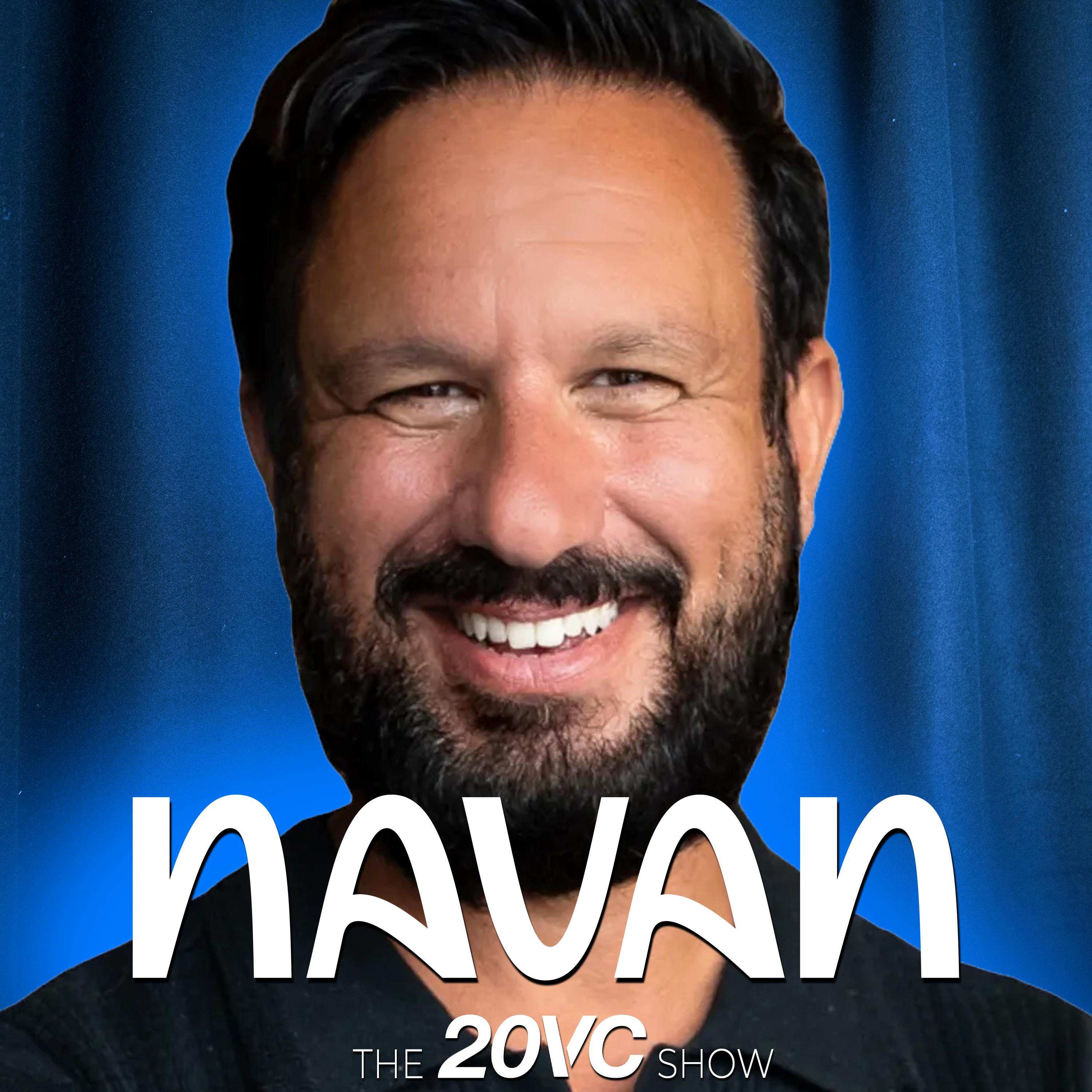
The ability to rapidly build custom software with AI is tempting. However, the ongoing maintenance and data quality assurance are the core business of SaaS companies. Buying a dedicated tool like a CRM often provides more value and less overhead than a custom-built solution, even with AI assistance.

Founders often obsess over a single launch day event. Livestorm's CEO argues that a launch is a 6-to-12-month timeline focused on building a sales or PLG engine and acquiring the first 10-15 key customers to trigger word-of-mouth. The initial event is just one point on that longer journey, not the ultimate make-or-break moment.
