Get your free personalized podcast brief
We scan new podcasts and send you the top 5 insights daily.
The "Liu Zhi" system is a form of extrajudicial detention used by China's anti-corruption agency. It allows officials to hold individuals, including business executives, for months without access to lawyers or the normal court system in harsh conditions. This creates a climate of intense fear and uncertainty for the business community.

Related Insights
For D1 Capital, the primary risk in China isn't economic but political. The government's ability to arbitrarily influence resource allocation, punish successful companies, and eliminate entire sectors without due process creates an unacceptable level of uncertainty for capital allocators, regardless of how cheap valuations become.

China's narrative of national success is contradicted by a significant diaspora of its citizens—from millionaires and creatives to ordinary workers. This flight of human capital seeking stability and freedom abroad signals a fundamental precariousness within the authoritarian system that pure economic growth cannot solve.

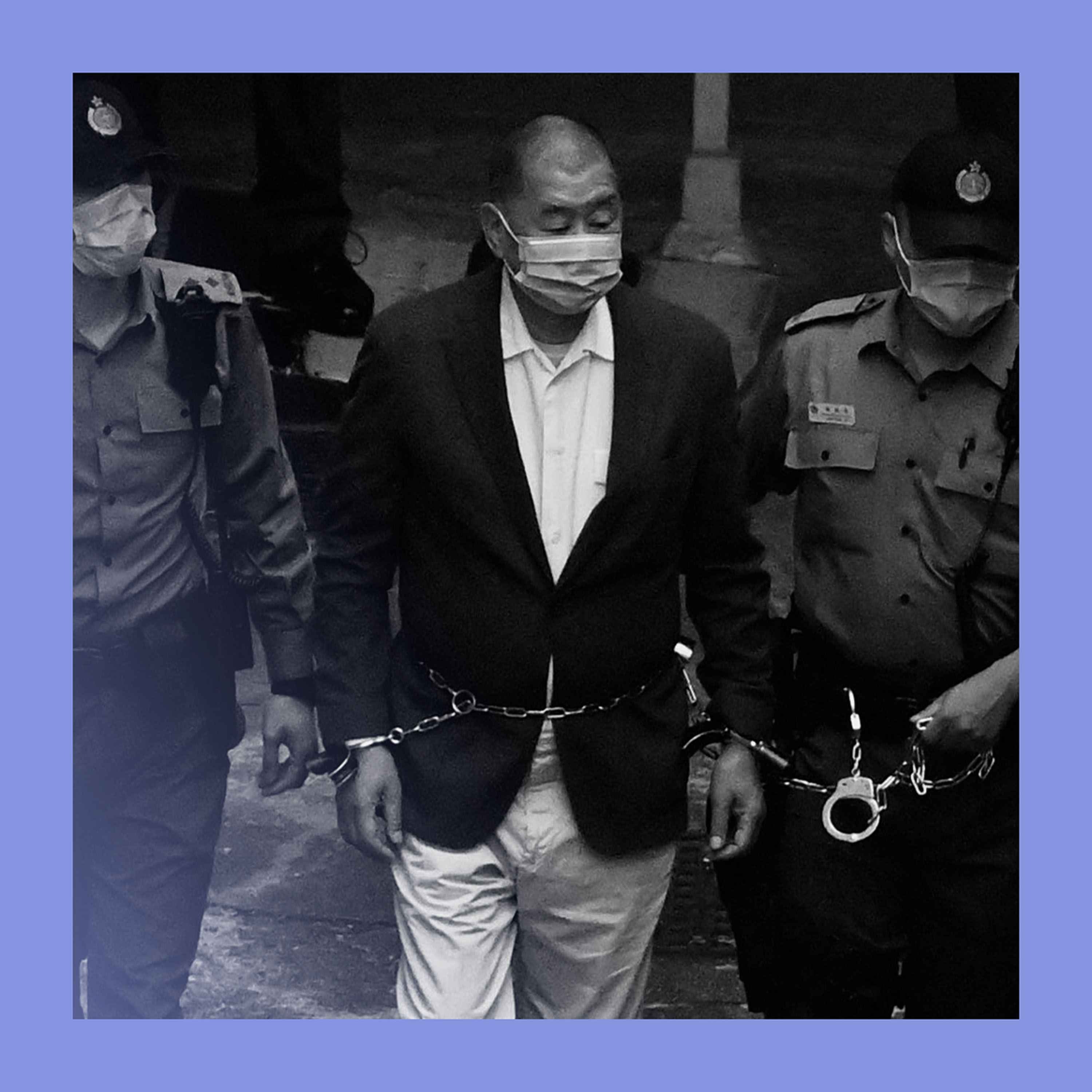
The conviction of media mogul Jimmy Lai underscores the sweeping power of the 2020 national security law imposed by Beijing. This legislation has fundamentally altered Hong Kong's legal system, with an expected 95% of cases ending in conviction, effectively creating a legal apparatus for silencing dissent.
When the investigation reached the President's inner circle, the government machine mobilized against the anti-corruption bodies. Ukraine's security services arrested several detectives involved in the probe, accusing them of collaborating with Russia. This tactic attempts to reframe a legitimate investigation as a threat to national security.
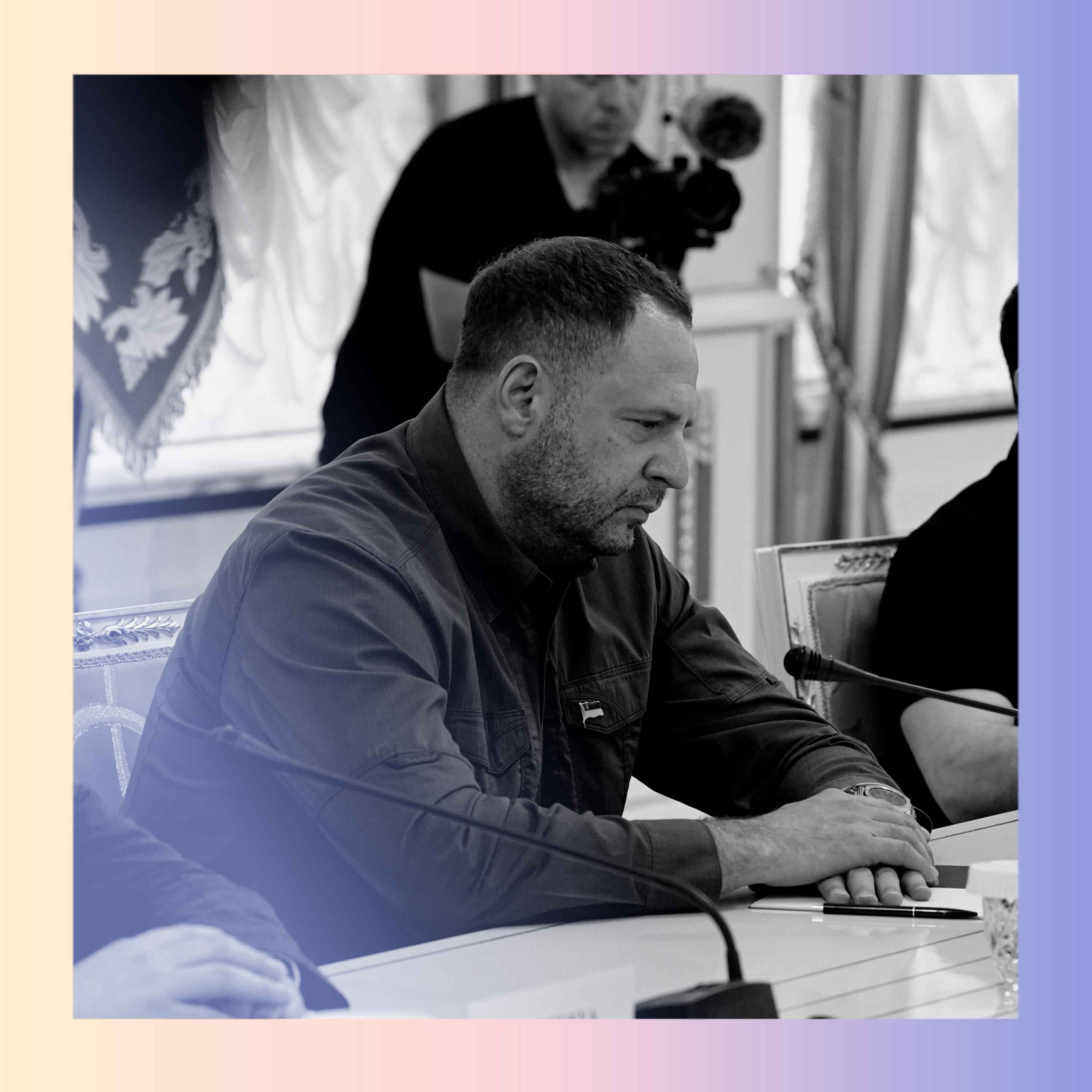
Beyond headline-grabbing scandals, the most insidious impact of a kleptocratic administration is its refusal to enforce existing laws, from financial regulations to anti-corruption acts. This quiet dismantling of the legal framework fosters a culture of impunity where bad actors thrive, ultimately harming ordinary people and destabilizing the entire system.

With local government finances strained, there is talk of "deep sea fishing" campaigns where anti-corruption probes are used as a pretext. Officials target business people, sometimes from other jurisdictions, with the potential goal of finding wrongdoing that allows them to seize the company's assets and shore up their budgets.
The global response to Jimmy Lai's conviction is more subdued than in previous years. Western leaders who once advocated for his release are now prioritizing trade deals and diplomatic engagement with China, showing how immediate economic interests can override and mute stated human rights concerns.
The indictment of former FBI Director James Comey highlights a strategy where the legal process itself is the punishment. The goal is not to win in court but to intimidate opponents by forcing them into expensive, time-consuming legal battles, creating a chilling effect on dissent regardless of the case's merits.

Censorship in China operates less through direct orders and more through an atmosphere of unpredictable threat. Like an anaconda sleeping in a chandelier above a dinner party, the state's potential to strike at any moment for any reason causes individuals to self-censor constantly, stifling creativity and open discourse.
![Dan Wang - The US vs China In The 21st Century - [Invest Like the Best, EP.444] thumbnail](https://megaphone.imgix.net/podcasts/e1599a88-a9f6-11f0-b532-e3695bb27d60/image/0f5c07552cef2689e5834d56786ad6f1.jpg?ixlib=rails-4.3.1&max-w=3000&max-h=3000&fit=crop&auto=format,compress)
The significant drop in murder rates in India's Uttar Pradesh under Yogi Adityanath is attributed to a policy of 'zero tolerance' for crime. This involves a notable increase in 'encounter killings,' where police shoot suspects, often fatally, under questionable circumstances, signaling a disregard for due process.