Get your free personalized podcast brief
We scan new podcasts and send you the top 5 insights daily.
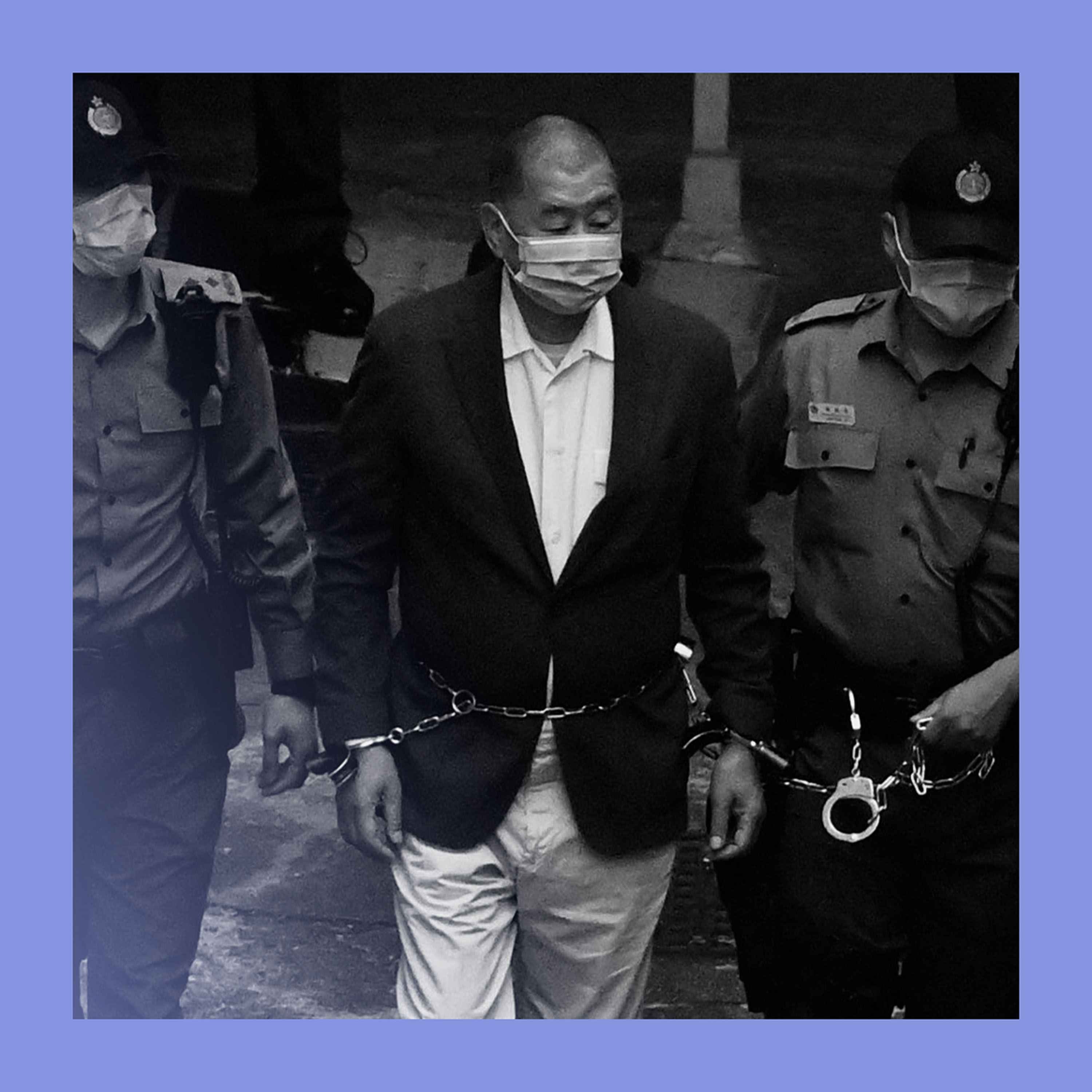
The conviction of media mogul Jimmy Lai underscores the sweeping power of the 2020 national security law imposed by Beijing. This legislation has fundamentally altered Hong Kong's legal system, with an expected 95% of cases ending in conviction, effectively creating a legal apparatus for silencing dissent.
Related Insights
Making misinformation illegal is dangerous because human progress relies on being wrong and correcting course through open debate. Granting any entity the power to define absolute 'truth' and punish dissent is a hallmark of authoritarianism that freezes intellectual and societal development.

The legal system has become financialized, creating an asymmetry where it's cheap to sue but extremely expensive to defend. This is weaponized against news outlets, with legal threats increasing tenfold in six months even for non-political journalism. The high cost of defense is becoming a primary operational risk.

Senator Ed Markey argues that government overreach succeeds partly because large media companies choose to "roll over" and pay fines or accept chilling effects rather than legally challenging threats to their First Amendment rights. This corporate capitulation is a key, overlooked factor in the erosion of free speech.

Legal frameworks to punish 'hate speech' are inherently dangerous because the definition is subjective and politically malleable. Advocating for such laws creates a tool that will inevitably be turned against its creators when political power shifts. The core principle of free speech is protecting even despicable speech to prevent this tyrannical cycle.
To circumvent First Amendment protections, the national security state framed unwanted domestic political speech as a "foreign influence operation." This national security justification was the legal hammer used to involve agencies like the CIA in moderating content on domestic social media platforms.

China's strategy for Taiwan likely mirrors its 2019 Hong Kong takeover. Instead of a direct military assault, Beijing will use political influence, espionage, and legislative changes to create administrative bridges, making any physical resistance illegal before troops ever move in.
Citing thousands of arrests for "malicious communication" in the UK and Germany, the hosts frame Europe's crackdown on speech as a cautionary tale. They note similar legislation was narrowly vetoed in California, highlighting a real threat to American free speech principles.
The global response to Jimmy Lai's conviction is more subdued than in previous years. Western leaders who once advocated for his release are now prioritizing trade deals and diplomatic engagement with China, showing how immediate economic interests can override and mute stated human rights concerns.
The indictment of former FBI Director James Comey highlights a strategy where the legal process itself is the punishment. The goal is not to win in court but to intimidate opponents by forcing them into expensive, time-consuming legal battles, creating a chilling effect on dissent regardless of the case's merits.

Censorship in China operates less through direct orders and more through an atmosphere of unpredictable threat. Like an anaconda sleeping in a chandelier above a dinner party, the state's potential to strike at any moment for any reason causes individuals to self-censor constantly, stifling creativity and open discourse.
![Dan Wang - The US vs China In The 21st Century - [Invest Like the Best, EP.444] thumbnail](https://megaphone.imgix.net/podcasts/e1599a88-a9f6-11f0-b532-e3695bb27d60/image/0f5c07552cef2689e5834d56786ad6f1.jpg?ixlib=rails-4.3.1&max-w=3000&max-h=3000&fit=crop&auto=format,compress)