Get your free personalized podcast brief
We scan new podcasts and send you the top 5 insights daily.
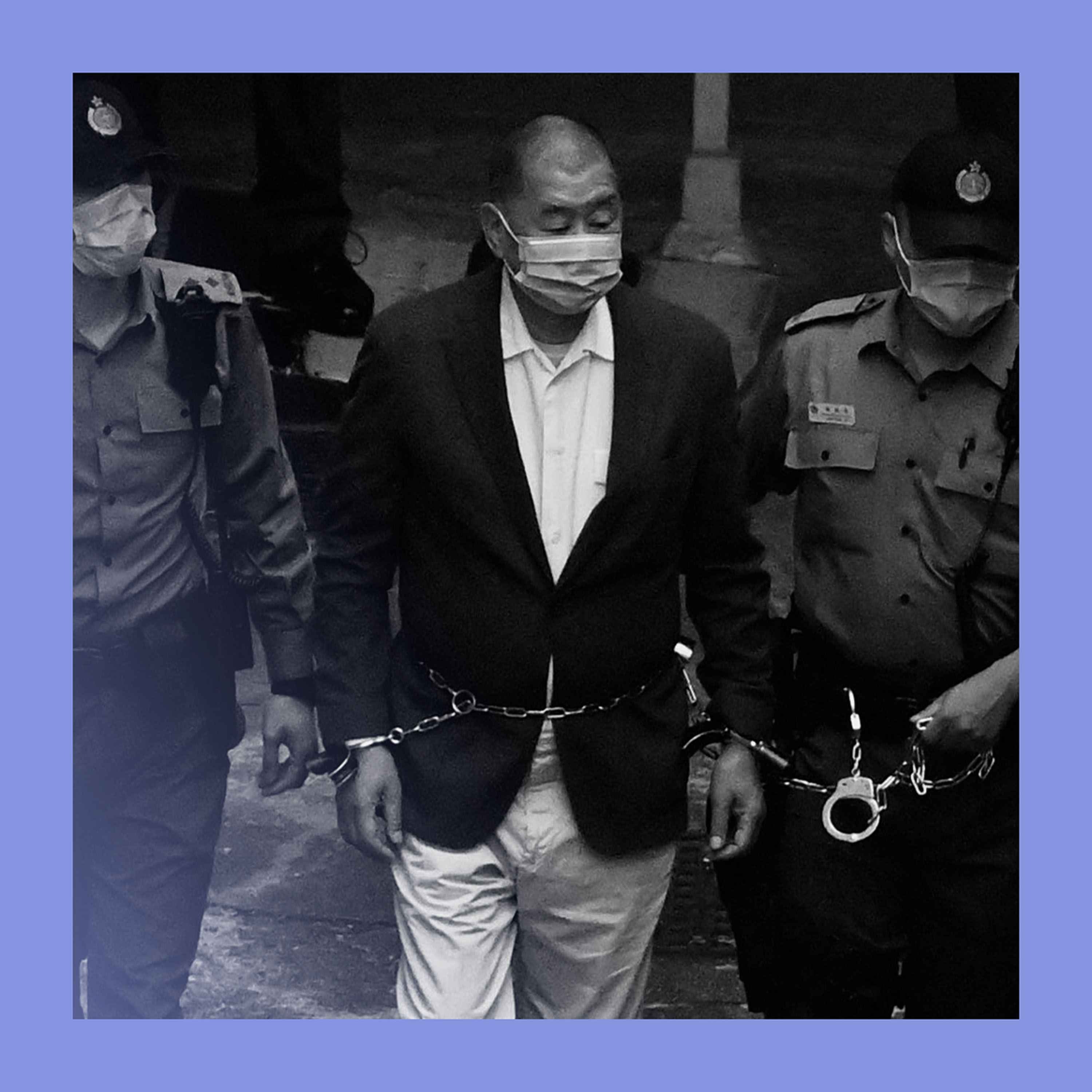
The global response to Jimmy Lai's conviction is more subdued than in previous years. Western leaders who once advocated for his release are now prioritizing trade deals and diplomatic engagement with China, showing how immediate economic interests can override and mute stated human rights concerns.
Related Insights
Unlike the 1980s, when Japanese corporations were common antagonists in films like Die Hard, modern Hollywood avoids portraying China negatively. This is attributed to a desire to maintain access to China's lucrative box office, resulting in a pop culture landscape that doesn't reflect geopolitical tensions.

By framing competition with China as an existential threat, tech leaders create urgency and justification for government intervention like subsidies or favorable trade policies. This transforms a commercial request for financial support into a matter of national security, making it more compelling for policymakers.

Rather than taking a "holier than thou" stance and refusing to engage with governments that have committed atrocities, it is more effective to build bridges. Cooperation invites them into the 21st century and aligns them with your values, whereas isolationism is counterproductive.

While the US administration celebrated a deal, China's official media has remained silent, only mentioning a need to finalize follow-up steps. This discrepancy suggests Beijing views the agreement as a tentative pause, waiting to see US actions before fully committing.
Beyond the US-China rivalry, a new front is opening between Brussels and Beijing. Incidents like the French suspension of fashion retailer Shein are not isolated but symptomatic of growing European mistrust and a willingness to take action. This signals a potential fracturing of global trade blocs and increased regulatory risk for Chinese firms in the EU.

The conviction of media mogul Jimmy Lai underscores the sweeping power of the 2020 national security law imposed by Beijing. This legislation has fundamentally altered Hong Kong's legal system, with an expected 95% of cases ending in conviction, effectively creating a legal apparatus for silencing dissent.
Don't expect corporate America to be a bulwark for democracy. The vast and growing wealth gap creates an overwhelming incentive for CEOs to align with authoritarians who offer a direct path to personal enrichment through cronyism, overriding any commitment to democratic principles.
The forced sale of TikTok to a hand-picked group of political donors at a steep discount is not a genuine national security solution but a form of cronyism. It bypasses a competitive auction, enriches allies, and likely fails to sever the Chinese government's control over the algorithm, achieving the worst of all outcomes.

The latest U.S. National Security Strategy drops confrontational rhetoric about China as an ideological threat, instead framing the relationship around economic rivalry and rebalancing. This shift prioritizes tangible deals over promoting American values globally, marking a departure from Reagan-era foreign policy.

Recent trade talks deliberately sidestepped core geopolitical issues like Taiwan and the South China Sea. This highlights that economic agreements are merely treating symptoms. The fundamental problem is a geopolitical power struggle, which will continue to undermine any economic progress.