Get your free personalized podcast brief
We scan new podcasts and send you the top 5 insights daily.
Combining legacy entertainment assets does not resolve the structural headwinds of linear television decline and thin streaming margins. Piling tens of billions in debt onto consolidated entities forces aggressive cost cuts instead of generating real competitive operational advantages.

Related Insights
Comcast's plan to separate its connectivity and content businesses follows identical failed strategies by Verizon (AOL/Yahoo) and AT&T (DirecTV/Time Warner). This reveals a consistent inability of telecom giants to successfully integrate and operate large entertainment and media assets.

Outlets and executives fixate on leadership drama and political controversies surrounding cable networks despite their plummeting audience viewership. The real survival battle in media centers on streaming subscriber economics, massive corporate debt service, and necessary operational layoffs.
Companies like the Comcast spin-off Versant are trapped. Their profitable legacy businesses (cable channels) are declining, yet provide the cash needed to invest in an uncertain digital future. This "foot in each canoe" strategy usually fails because they can't abandon the old revenue stream to fully commit to the new one.

The combined entity's immense debt load will necessitate massive cost-cutting, likely leading to reduced production and lower-quality "AI slop." This makes the new company a less attractive partner for top talent, with Hollywood's creative community becoming the biggest losers in the deal.

While Paramount's proposed merger with Warner Bros. targets $6 billion in synergies, the aggressive cost-cutting required poses a significant risk of destroying the creative cultures and core businesses of both entities. The focus on financial engineering may overlook the operational realities of a creative enterprise.

Acquirers repeatedly buy legacy media conglomerates promising synergistic growth, only to become paralyzed by unsustainable debt loads. Within several years, declining revenues and balance sheet pressure force management to reverse course, split assets, and resell parts at a loss.
The merger of Nexstar and TEGNA is a classic 'melting ice cube' strategy. Like Blockbuster or Yellow Pages in their final years, these declining local TV businesses can still generate significant cash. Consolidation allows them to cut backend costs and extract maximum value before they become obsolete.
The "shitty assets" of linear cable networks, which competitors like Netflix didn't want, were a key part of Ellison's bid. While in secular decline, these networks generate significant cash flow. This cash is required to service the massive debt load taken on for the deal, making the dying part of the business a necessary component.
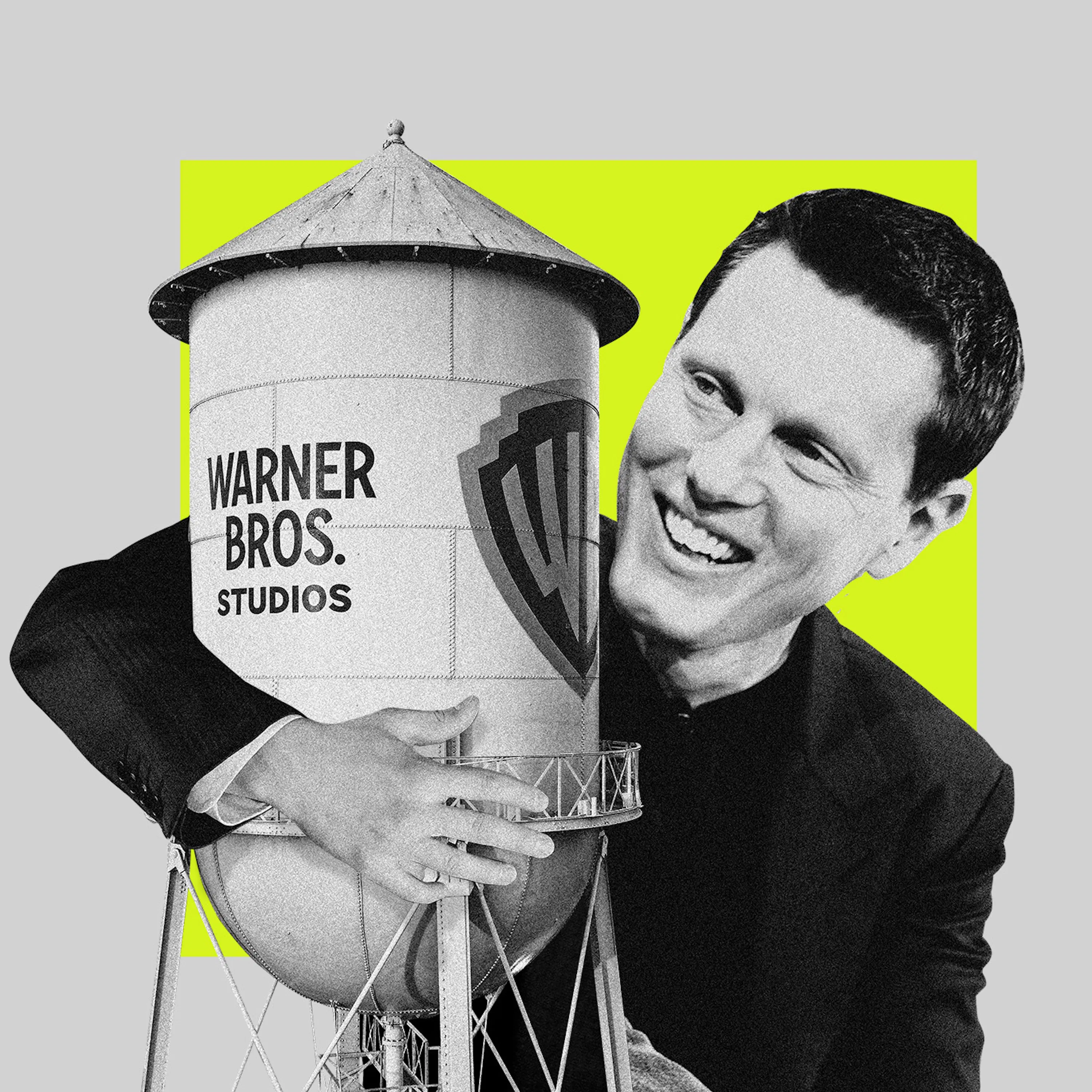
From AOL to AT&T and now Discovery, Time Warner's mergers have consistently destroyed shareholder value while enriching executives. This pattern highlights a systemic issue in media M&A where deals serve management's financial interests over the company's long-term health.
Massive M&A deals for legacy media are backward-looking financial transactions based on past earnings. The truly transformative acquisitions (like Facebook buying Instagram) are smaller, forward-looking bets on future trends like user-generated content.