Get your free personalized podcast brief
We scan new podcasts and send you the top 5 insights daily.
Comcast's plan to separate its connectivity and content businesses follows identical failed strategies by Verizon (AOL/Yahoo) and AT&T (DirecTV/Time Warner). This reveals a consistent inability of telecom giants to successfully integrate and operate large entertainment and media assets.

Related Insights
MSNBC's lack of a digital video footprint was a deliberate strategic choice by former parent NBCUniversal, which funneled investment into other properties like NBC News Now. As the independent company Versant, the news brand can now finally invest its own cash flow into building a direct-to-consumer video business.

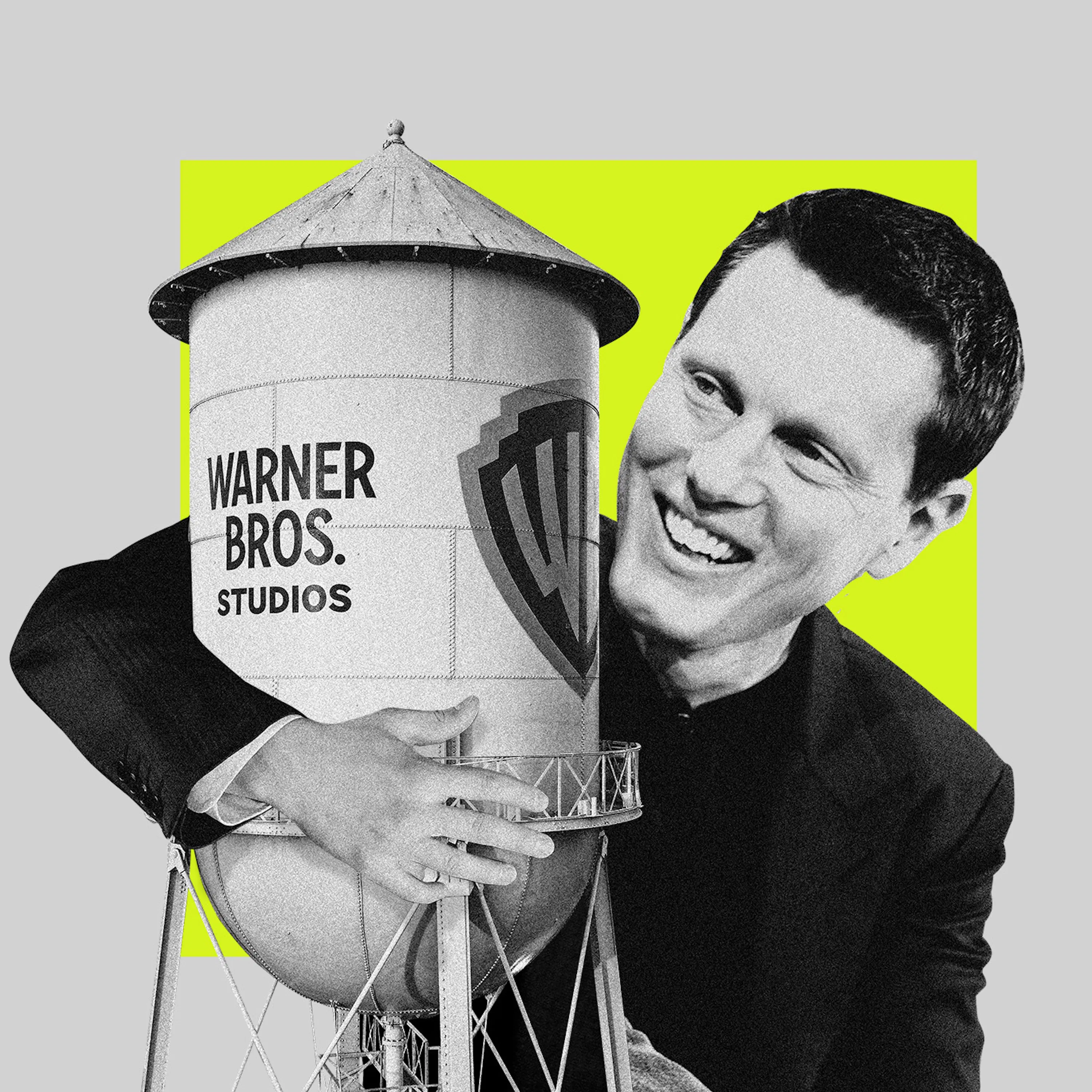
The history of Warner Bros. is a pattern of disastrous mergers (Time, AOL, AT&T) driven by CEOs seeking a legacy-defining deal. These acquisitions consistently fail due to culture clashes, overvaluation, and massive debt, ultimately destroying shareholder value for the acquirer.

The intense bidding war for Warner Bros. Discovery is driven by unique strategic goals. Paramount seeks subscriber scale for survival, Netflix wants premium IP and sports rights, and Comcast primarily needs modern franchises like Harry Potter to fuel its profitable theme park business.

Paramount chief David Ellison's plan for a combined company mirrors the exact strategy that just failed for current Warner Bros. boss David Zaslav: fund high-end IP with a massive library of reality TV. The only new variable is the financial backing of Ellison's billionaire father.

Media companies are spinning off declining linear networks to unlock higher multiples for growth assets. However, this strategy ignores significant synergies in carriage negotiations and content sharing between linear and streaming platforms, likely destroying long-term value in the pursuit of short-term financial engineering.

The attempt to transform both telecom and media simultaneously required more capital and time than public markets would tolerate. This highlights the strategic risk of pursuing dual, capital-intensive transformations on a single balance sheet.

A recurring pattern shows that companies acquiring Warner Bros. (AOL, AT&T, Discovery) ultimately fail, saddled with debt and regret. The Ellison family is betting they can break this historical curse, despite the media industry's massive transformation and the asset's track record of destroying its owners.
Aggregating digital media assets (e.g., BuzzFeed, Vice, Vox) proved unsustainable against Big Tech's ad dominance. This led to steep valuation drops and strategic breakups, like spinning off Vox Media's profitable podcast network, to salvage value from failed synergy attempts.
From AOL to AT&T and now Discovery, Time Warner's mergers have consistently destroyed shareholder value while enriching executives. This pattern highlights a systemic issue in media M&A where deals serve management's financial interests over the company's long-term health.
The M&A failed because both telecom and media required massive, simultaneous investment to navigate their respective industry shifts. A single public company's balance sheet and investor base lacks the capital and patience to successfully execute two resource-intensive pivots in parallel, a crucial lesson for corporate strategy.
