Get your free personalized podcast brief
We scan new podcasts and send you the top 5 insights daily.
Outlets and executives fixate on leadership drama and political controversies surrounding cable networks despite their plummeting audience viewership. The real survival battle in media centers on streaming subscriber economics, massive corporate debt service, and necessary operational layoffs.

Related Insights
According to Van Jones, cable news has pivoted from breaking news to manufacturing conflict. The primary goal is no longer live reporting but creating contentious segments designed to be clipped and go viral on social media, fundamentally changing the business.

The balance of power has shifted from content owners to distributors. YouTube TV proved this by dropping Disney channels during NFL season—a "shoot the hostage" tactic previously unthinkable. This new willingness to endure subscriber backlash gives distributors immense leverage in negotiations.

Combining legacy entertainment assets does not resolve the structural headwinds of linear television decline and thin streaming margins. Piling tens of billions in debt onto consolidated entities forces aggressive cost cuts instead of generating real competitive operational advantages.
Companies like the Comcast spin-off Versant are trapped. Their profitable legacy businesses (cable channels) are declining, yet provide the cash needed to invest in an uncertain digital future. This "foot in each canoe" strategy usually fails because they can't abandon the old revenue stream to fully commit to the new one.

Established media like '60 Minutes' face a paradox: their format retains a large but aging audience, yet growth requires new media (social, short-form) that is antithetical to their brand. This necessary evolution creates massive internal friction, as seen in recent leadership turmoil.

The proliferation of streaming services and complex monetization models has created a confusing, frustrating experience for viewers. The industry's focus on subscriber retention and ad revenue has led to a fragmented content landscape that undermines the core value proposition of on-demand entertainment.

Media companies have been "double-dipping" by selling content to cable distributors for linear channels while also charging consumers for the same content on a separate streaming service. Distributors are now forcing them to bundle the streaming offering for free with cable subscriptions, eroding a key revenue stream.
Netflix was reportedly stunned by HBO's high churn rates. This highlights a fundamental problem: when a service's value is tied to a few tentpole shows, subscribers sign up for one show and leave when it's over. The lack of a deep, consistently engaging content library makes churn, not just acquisition, the biggest business threat.
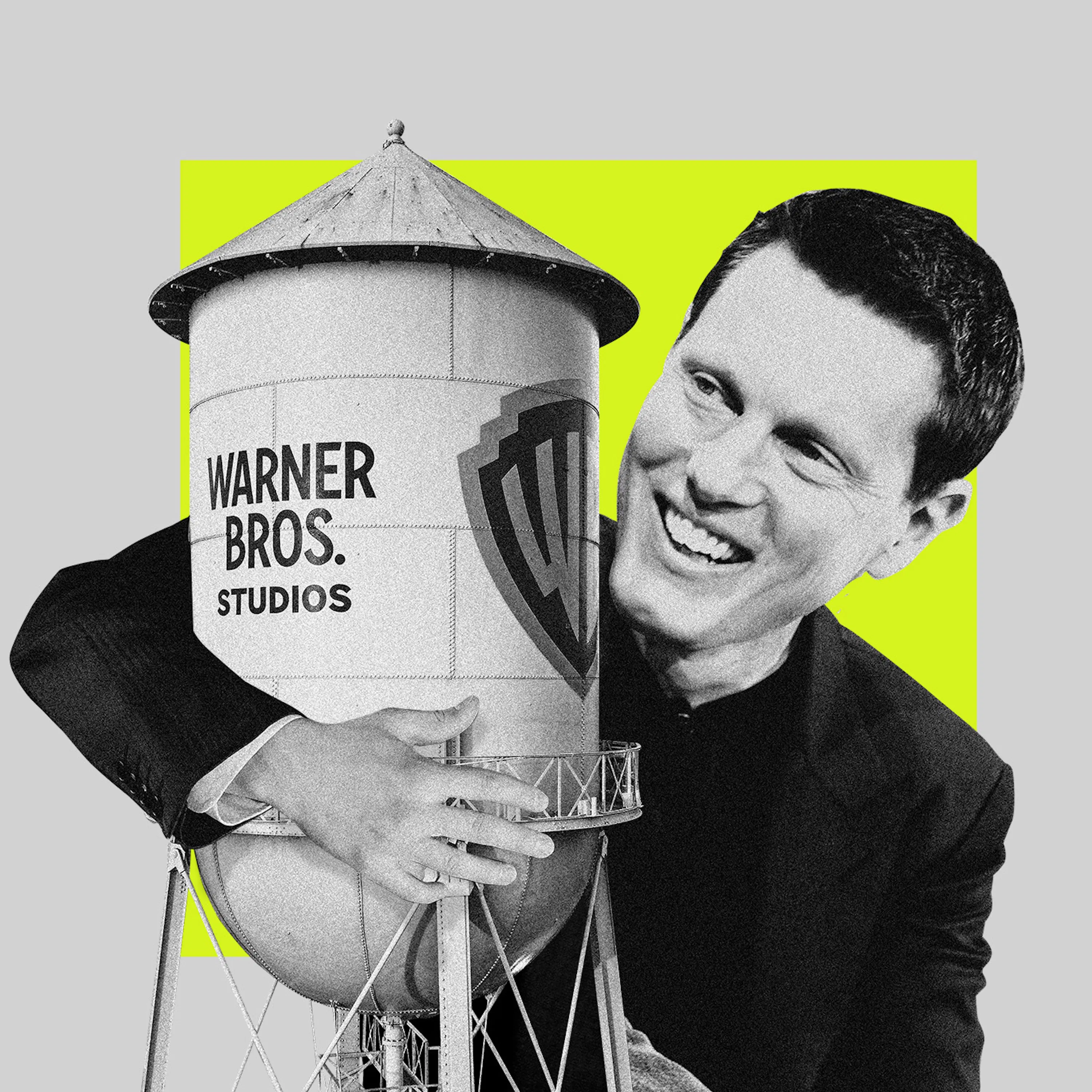
Media companies are spinning off declining linear networks to unlock higher multiples for growth assets. However, this strategy ignores significant synergies in carriage negotiations and content sharing between linear and streaming platforms, likely destroying long-term value in the pursuit of short-term financial engineering.
The decline of traditional outlets like cable news is less about political bias and more about their outdated, one-way format. Audiences are moving towards independent, long-form content like Joe Rogan's podcast and Substack newsletters. These newer formats offer a depth and interactivity that legacy media cannot match, making it a problem of medium, not just message.
