Get your free personalized podcast brief
We scan new podcasts and send you the top 5 insights daily.
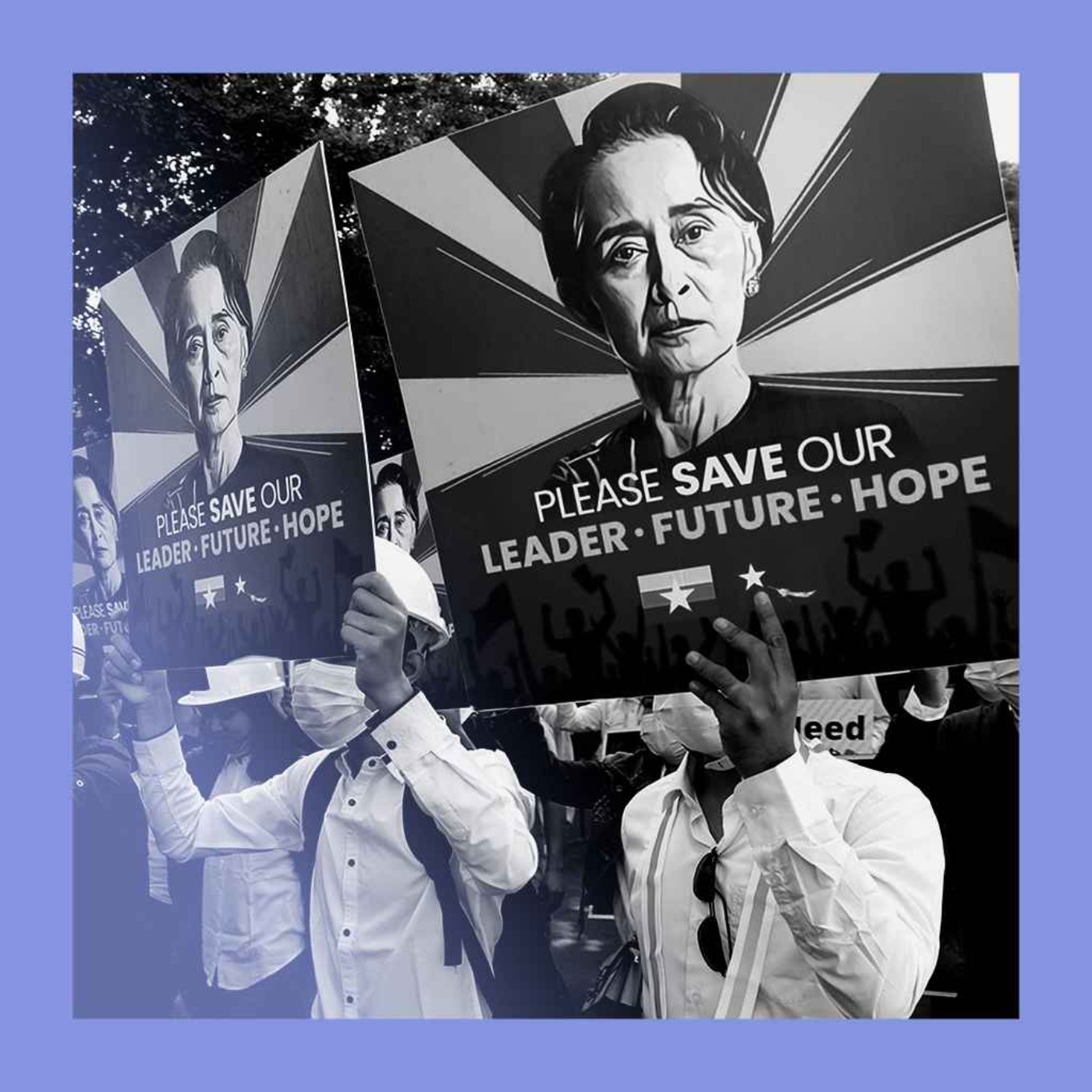
Foreign diplomats appear ready to normalize relations with the junta for proof of Aung San Suu Kyi's well-being. This focus on a single individual, however flawed, risks eclipsing the dire situation of 55 million people suffering from war, displacement, and military rule.
Related Insights
In geopolitics, clinging to a righteous cause you cannot win by force often means grinding your own people into poverty for decades. The logical, albeit difficult, response is to make concessions and focus on improving citizens' lives, rather than insisting on being 'right' while they suffer.

The widely condemned election is not for public legitimacy but serves as a potential internal political mechanism. Many in the military brass consider their leader, Min Aung Hlaing, to be inept and may use the election's outcome as a pretext to displace him and install new leadership.

Rather than taking a "holier than thou" stance and refusing to engage with governments that have committed atrocities, it is more effective to build bridges. Cooperation invites them into the 21st century and aligns them with your values, whereas isolationism is counterproductive.

Anne Applebaum argues that certain leaders don't analyze geopolitical issues by what benefits the nation, but by how they personally emerge as a 'winner.' This transforms complex diplomacy into a quest for applause and personal validation, rather than strategic problem-solving.

The military regime is comfortable managing violent conflict but is terrified of the symbolic power Aung San Suu Kyi holds over the populace. They believe her ability to inspire a massive, non-violent movement represents a greater threat to their rule than the ongoing armed resistance.
Encouraging members of an authoritarian society to defect is futile without a clear alternative. People do not simply defect *from* a regime; they must have something credible to defect *to*. The failure to provide a viable political destination is a critical weakness in many U.S. foreign policy efforts.

The most potent threat to an authoritarian regime comes not from visible dissidents, who are often neutralized, but from patriotic loyalists within the system. These insiders believe the current leadership is corrupt and harming the country, making their patriotism a powerful tool that can be turned against the regime.
Rebuilding a nation after decades of repressive rule is a monumental task, often taking a decade or more. In the modern era, social media exacerbates the challenge by amplifying divisive voices and making the national consensus required for a stable transition nearly impossible to achieve.

Myanmar's revolutionary forces were gaining until two external factors reversed their momentum. China cut supply lines to ethnic armed groups it previously backed, and the closure of USAID forced rebels to divert 60% of their military budget to humanitarian aid, enabling a junta comeback.
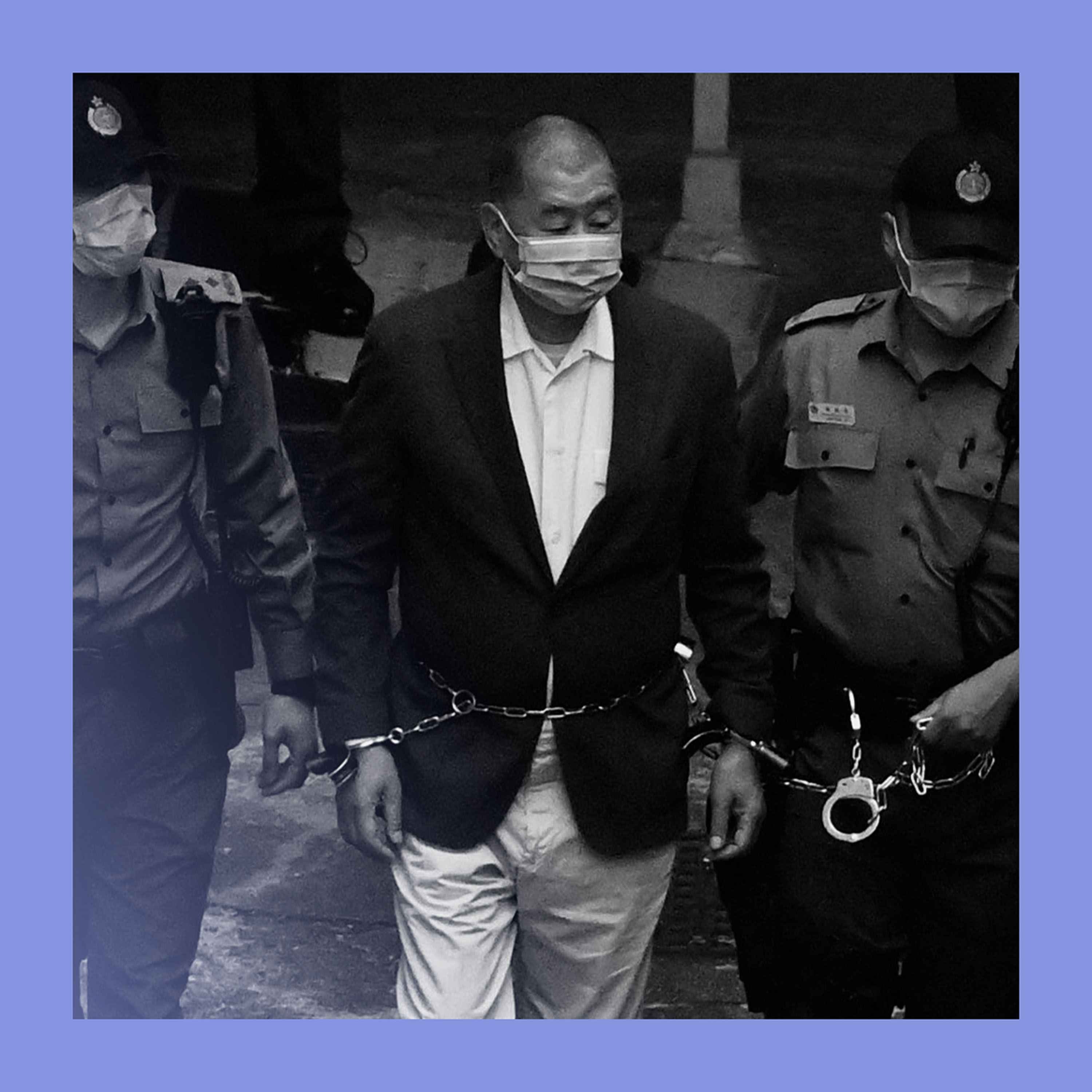
The global response to Jimmy Lai's conviction is more subdued than in previous years. Western leaders who once advocated for his release are now prioritizing trade deals and diplomatic engagement with China, showing how immediate economic interests can override and mute stated human rights concerns.