Get your free personalized podcast brief
We scan new podcasts and send you the top 5 insights daily.
Unlike contractors pitching one big idea, Anduril's strength is its internal process for rapidly prototyping numerous hardware and software concepts. This 'discovery motion' allows them to find market-fit and scale winners, rather than betting the company on a single idea from the start.

Related Insights
Defense tech startup Anduril is disrupting incumbents not with untested technology, but with a novel business model. It uses VC funds to build manufacturing capacity *before* winning large contracts and sources commercial parts to reduce cost and supply chain risk, effectively prioritizing execution over pure tech risk.

The DoD's global R&D share has plummeted from 36% to under 1%, so it can no longer dictate cutting-edge specs. Anduril funds its own R&D to solve a mission, then sells the finished capability, flipping the traditional government-funded, built-to-spec model on its head.

Unlike traditional contractors paid for hours, Anduril invests its own capital to build products it believes the government needs. This model incentivizes speed and effectiveness, as profit is tied to successful products, not billable hours. This shifts the financial risk from the taxpayer to the company.
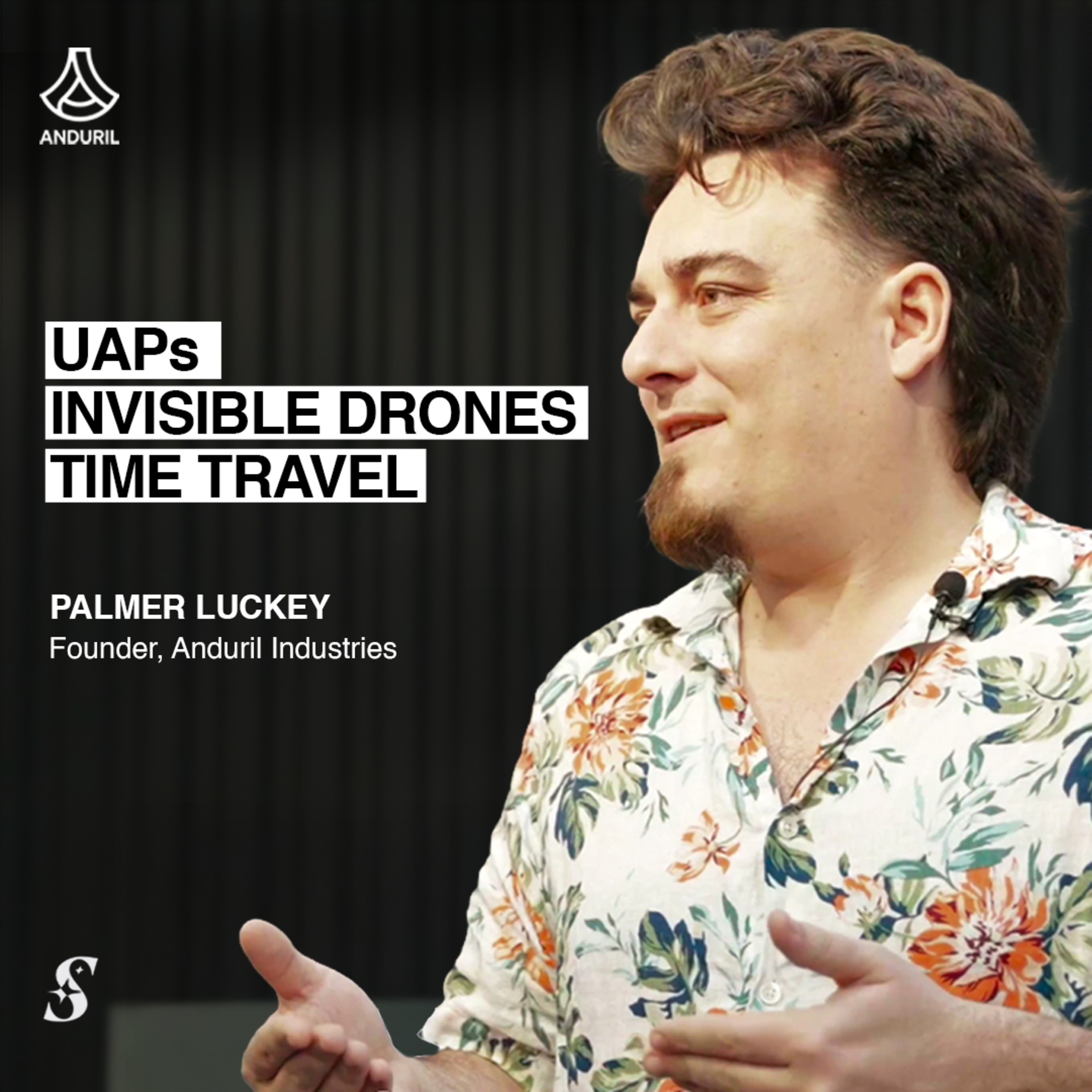
Despite building large physical systems like drones, Anduril's co-founder states their core competency and original vision is software. They are a "software-defined and hardware-enabled" company, which fundamentally differentiates their approach from traditional defense contractors who are the opposite.
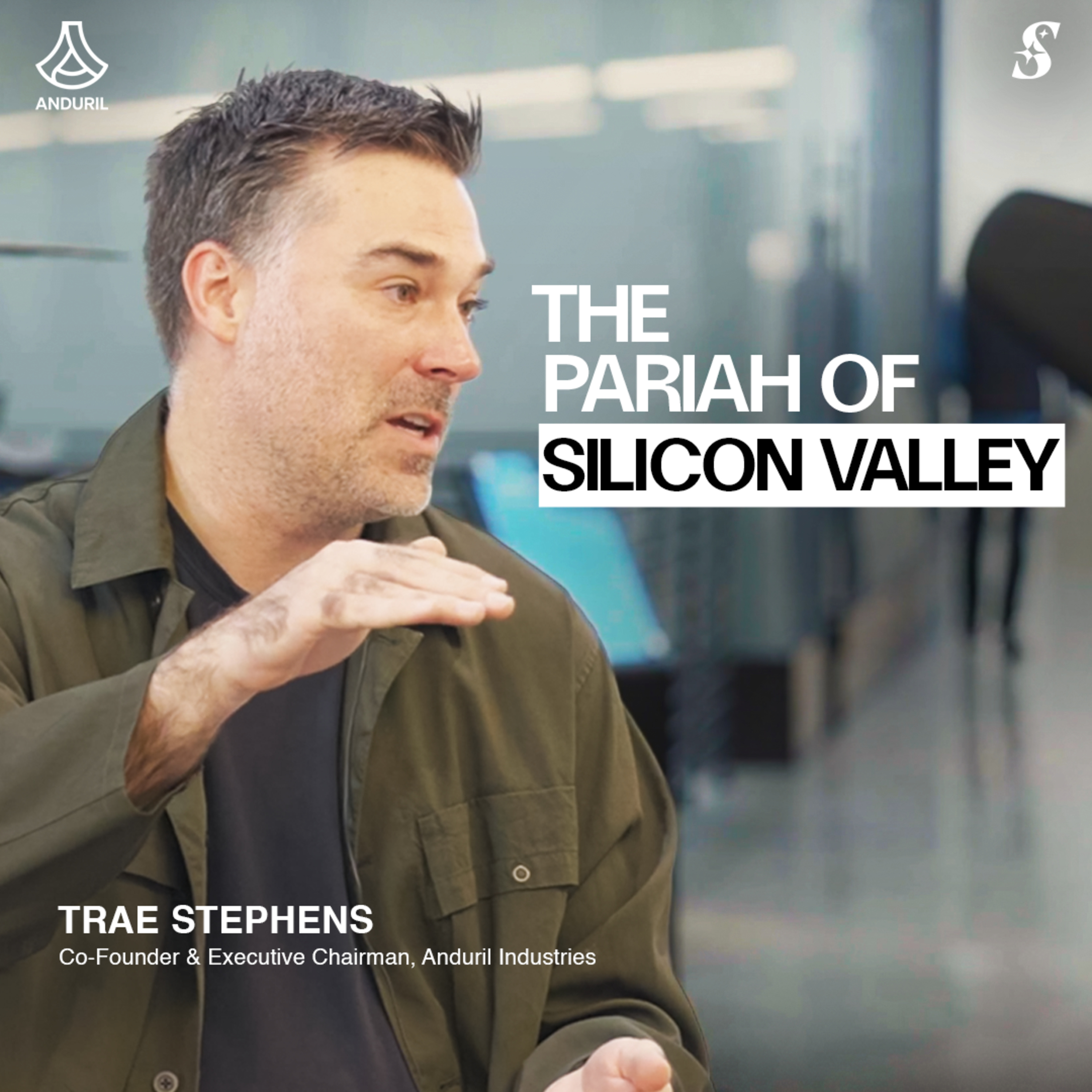
Unlike traditional contractors paid for time and materials, Anduril invests its own capital to develop products first. This 'defense product company' model aligns incentives with the government's need for speed and effectiveness, as profits are tied to rapid, successful delivery, not prolonged development cycles.

Many defense startups fail despite superior technology because the government isn't ready to purchase at scale. Anduril's success hinges on identifying when the customer is ready to adopt new capabilities within a 3-5 year window, making market timing its most critical decision factor.

Anduril's R&D building houses machine shops, labs, and a 'dev test area' designed specifically to break products. By putting engineers across the parking lot from facilities that can rapidly prototype and test for failures (e.g., saltwater corrosion, vibration), they create an extremely tight feedback loop, speeding up iteration.
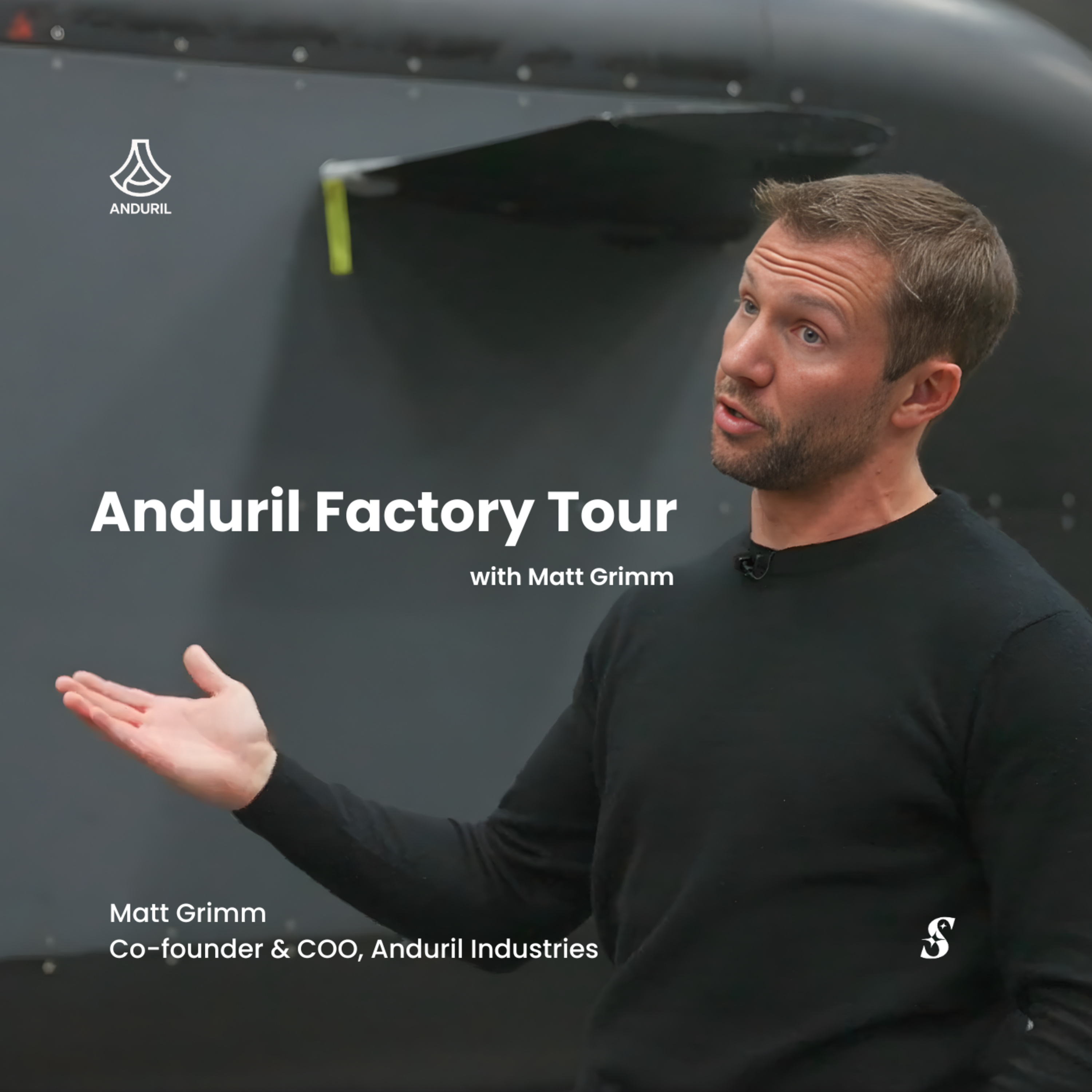
Unlike mass manufacturers, defense tech requires flexibility for a high mix of low-volume products. Anduril addresses this by creating a core platform of reusable software, hardware, and sensor components, enabling fast development and deployment of new systems without starting from scratch.
Anduril prototypes drone frames by milling them from solid metal blocks. While extremely wasteful and expensive for mass production, this method bypasses the slow and costly process of creating molds for casting, drastically reducing latency during the critical iterative design phase and getting products to market faster.
Anduril isn't looking to acquire and fix struggling defense startups. Their acquisition sweet spot is a company with a strong engineering team and a unique product that is struggling with go-to-market. Anduril provides the capital and, more importantly, the infrastructure (legal, government relations, sales) to accelerate an already-great product.
