Get your free personalized podcast brief
We scan new podcasts and send you the top 5 insights daily.
The DoD's global R&D share has plummeted from 36% to under 1%, so it can no longer dictate cutting-edge specs. Anduril funds its own R&D to solve a mission, then sells the finished capability, flipping the traditional government-funded, built-to-spec model on its head.

Related Insights
To attract innovation, the DoD is shifting its procurement process. Instead of issuing rigid, 300-page requirement documents that favor incumbents, it now defines a problem and asks companies to propose their own novel solutions.

Defense tech startup Anduril is disrupting incumbents not with untested technology, but with a novel business model. It uses VC funds to build manufacturing capacity *before* winning large contracts and sources commercial parts to reduce cost and supply chain risk, effectively prioritizing execution over pure tech risk.

Luckey reveals that Anduril prioritized institutional engagement over engineering in its early days, initially hiring more lawyers and lobbyists. The biggest challenge wasn't building the technology, but convincing the Department of Defense and political stakeholders to believe in a new procurement model, proving that shaping the system is a prerequisite for success.
![Palmer Luckey - Inventing the Future of Defense - [Invest Like the Best, CLASSICS] thumbnail](https://megaphone.imgix.net/podcasts/f7c9aa8e-cb8d-11f0-828e-0b281809c10a/image/cc07f91ec47f95abbde771a4956b37b7.jpg?ixlib=rails-4.3.1&max-w=3000&max-h=3000&fit=crop&auto=format,compress)
Unlike traditional contractors paid for hours, Anduril invests its own capital to build products it believes the government needs. This model incentivizes speed and effectiveness, as profit is tied to successful products, not billable hours. This shifts the financial risk from the taxpayer to the company.
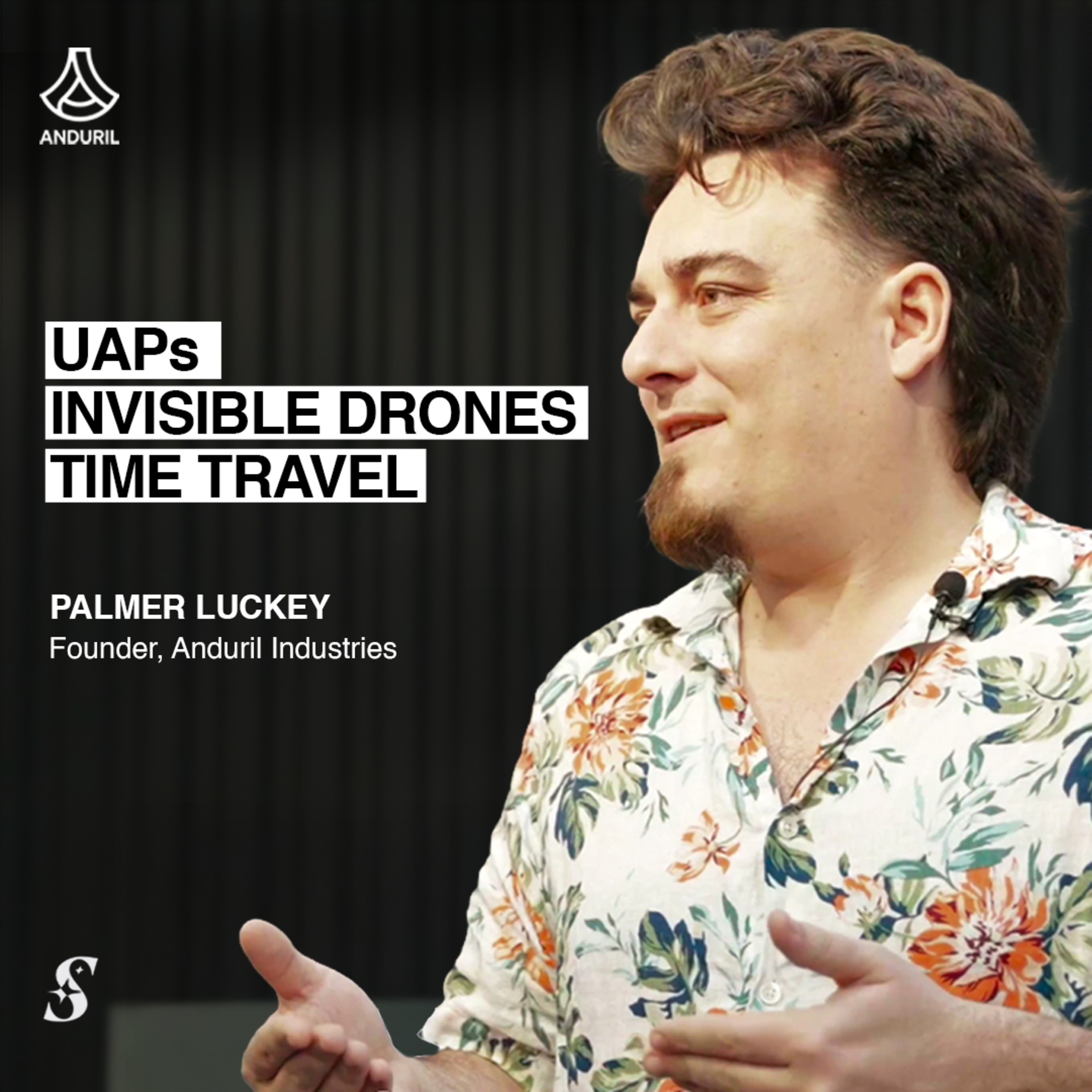
Despite building large physical systems like drones, Anduril's co-founder states their core competency and original vision is software. They are a "software-defined and hardware-enabled" company, which fundamentally differentiates their approach from traditional defense contractors who are the opposite.
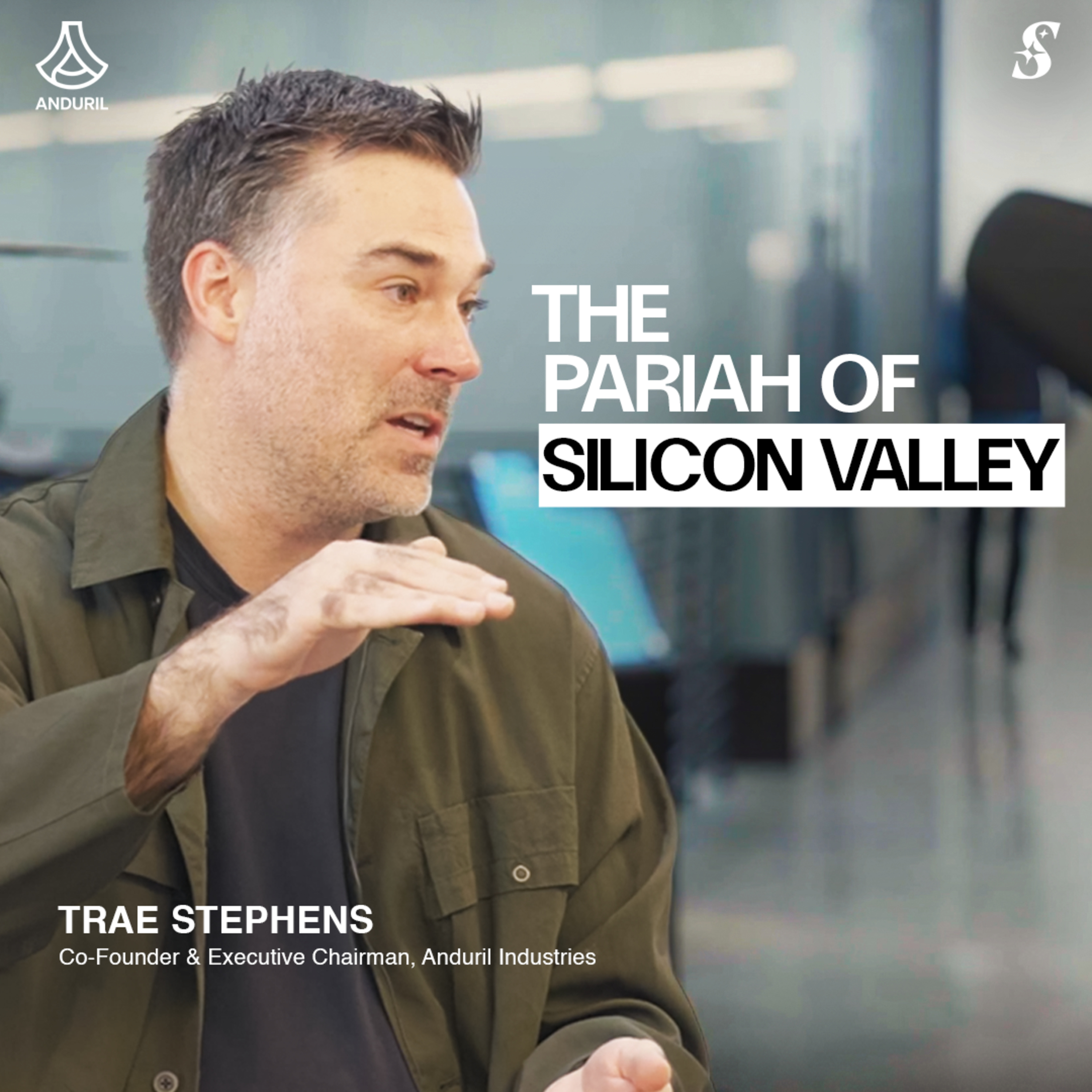
Unlike traditional contractors paid for time and materials, Anduril invests its own capital to develop products first. This 'defense product company' model aligns incentives with the government's need for speed and effectiveness, as profits are tied to rapid, successful delivery, not prolonged development cycles.

Many defense startups fail despite superior technology because the government isn't ready to purchase at scale. Anduril's success hinges on identifying when the customer is ready to adopt new capabilities within a 3-5 year window, making market timing its most critical decision factor.
Traditional defense primes are coupled to customer requirements and won't self-fund speculative projects. "Neo primes" like Epirus operate like product companies, investing their own capital to address military capability gaps, proving out new technologies, and then selling the finished solution.

To avoid obsolescence and maintain readiness, defense manufacturing must shift to a modular, flexible model akin to a contract manufacturer. Anduril's "Arsenal" campus is designed to pivot production on a dime between different systems, ensuring a responsive supply chain in a crisis.

Defense tech firm Anduril's talks to raise funds at a $60 billion valuation reflect its ambition to become a "prime" contractor. The company is no longer just a disruptive upstart; it's actively trying to join the exclusive group of legacy giants like Raytheon and Lockheed that dominate government contracts.