Get your free personalized podcast brief
We scan new podcasts and send you the top 5 insights daily.
When evaluating founders with abrasive personalities, some VCs apply a specific mental model. As advised by Jason Green of Emergence Capital, if a founder's brilliance is perceived to be 50 times greater than their difficult nature, the investment is still worth making. This provides a framework for backing exceptional but challenging individuals.

Related Insights
Investors should view a founder's desire to learn skills like etiquette not as a weakness, but as a strong positive signal. It demonstrates humility, introspection, and a drive for self-improvement—key traits for a coachable and successful leader. The capacity for growth can be more valuable than pre-existing polish, identifying them as better long-term partners.

Investor Mark Rampolla argues that a brand's potential is capped by its leader's personal development. His firm seeks self-aware founders committed to "inner work," believing this psychological resilience is a key predictor of building a billion-dollar company.

Instead of coaching unconventional founders to be more palatable for mainstream Series A investors, early backers should encourage them to lean into their unique traits. The investor's role is to help them find the right future partners who appreciate their peculiar worldview, not to change it.
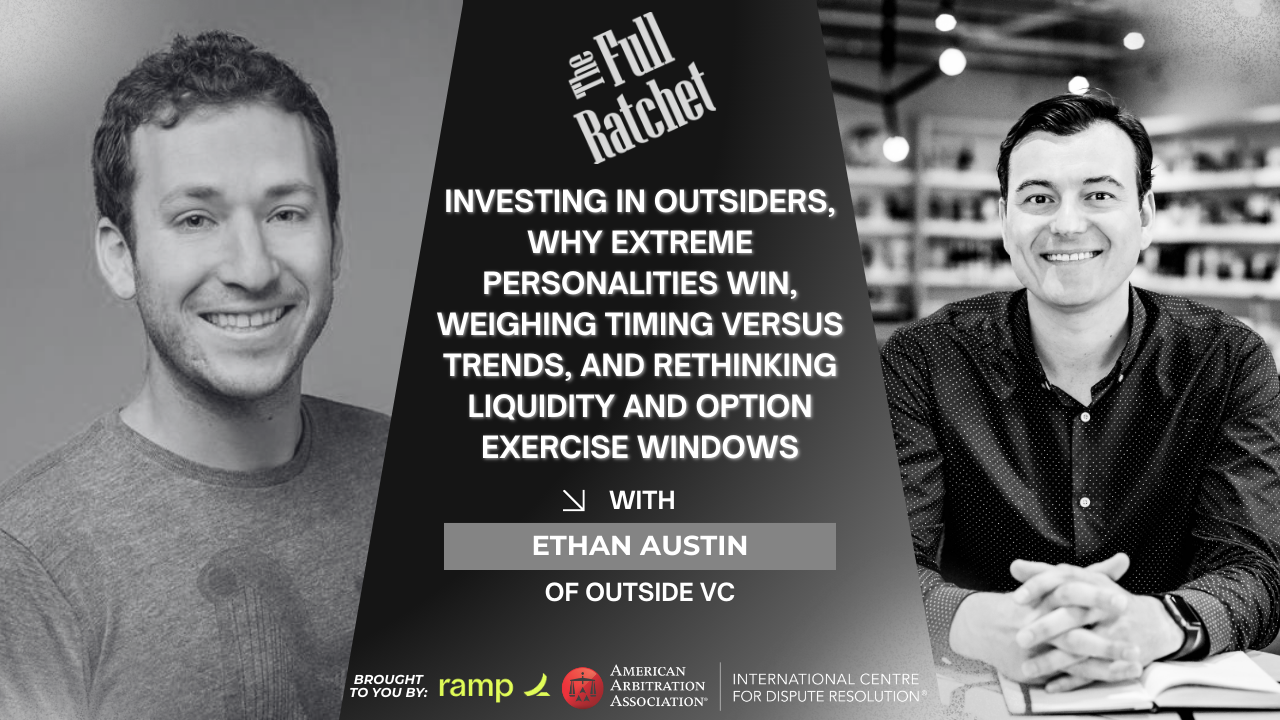
Sequoia's founder taught that the best investments are in individuals who are both exceptional and "not so easy to get along with." These founders challenge convention and refuse to accept the world as it is, a trait that makes them unconventional but also uniquely capable of building category-defining companies.
The pervasive trend of VCs being "founder-friendly" often manifests as "hypocritical politeness" that withholds crucial, direct feedback. This ultimately hurts the company. Strong founders don't select for niceness; they seek partners who provide brutally honest input to help them improve.

While assessed during diligence, the true caliber of a founder—their passion, authenticity, and ability to "run through walls"—becomes starkly clear after the deal closes. This distinction is not subtle; the impact of a truly exceptional founder versus an average one is immediately evident in the business's trajectory.

Inspired by psychotherapist Carl Rogers, Benchmark's philosophy is to offer founders "unconditional positive regard," believing in them even more than they believe in themselves. This builds deep trust, allowing for transparent, difficult conversations that are essential for growth.

Successful founders passionately defend their vision while simultaneously processing tough questions without defensiveness. This balance allows them to navigate the 'idea maze' effectively, learning and adapting as they go.

Managing VCs is harder than managing corporate execs. VCs are high-IQ, disagreeable idea generators who dislike rules. The burden is on leadership to design an organization that minimizes conflict, as VCs can easily 'wreck each other's businesses' through competing investments, making interpersonal issues far more destructive.

Reframe the pitch meeting from a judgment session to a mutual evaluation. Founders are selecting a partner for 7-10 years and must assess the investor for chemistry and fit, rather than just seeking capital from a position of need.