Get your free personalized podcast brief
We scan new podcasts and send you the top 5 insights daily.
Facing complex enterprise contracts beyond his expertise, Browserless's founder didn't hire a team. Instead, he partnered with Polychrome, a firm that invests in and handles operations like hiring, finance, and legal for bootstrapped companies, allowing him to focus on product.

Related Insights
Founders often believe they can hire one "integrator" (like a COO) to handle all operational details. This is a myth. True scaling requires hiring specific, talented functional leaders (e.g., Head of Sales, Head of Product) who can solve a single, major business constraint, not a generalist helper.

When founders claim a proven but labor-intensive channel 'doesn't scale,' they often misdiagnose a resourcing problem. The bottleneck isn't the channel's viability but their inability to solve the operational challenge of hiring, training, and managing a team to execute that channel at massive volume.

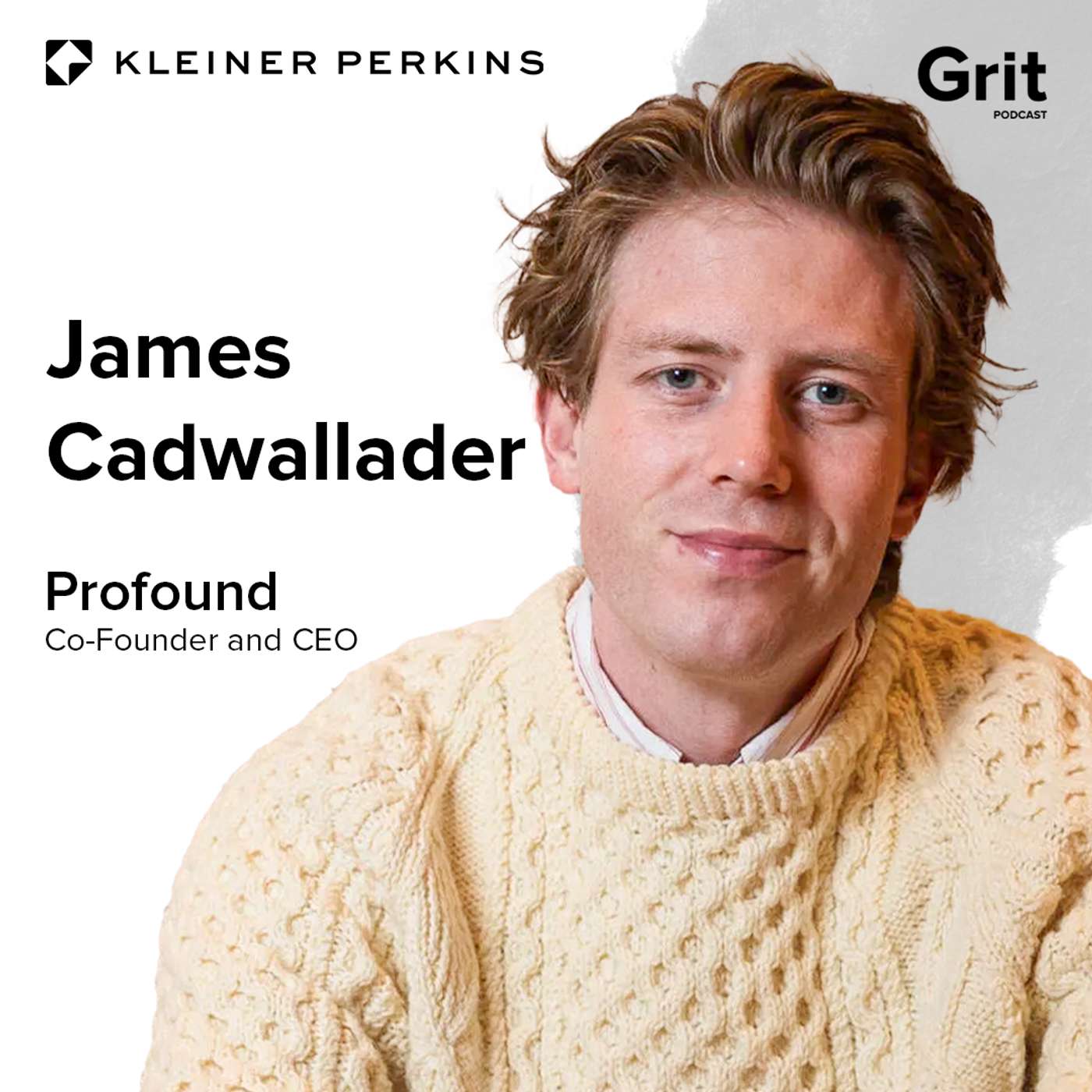
A scaling founder can avoid "breaking the model" during hypergrowth by hiring senior leaders with proven track records in similar environments. For example, Profound hired a CRO who previously scaled a company with the same target customer to $250M, bringing invaluable experience to manage chaos.
Conventional scaling crushes founders by making them hold everything. Instead, invert the model: create a supportive architecture where your frameworks hold your work, which in turn holds you. This 'nesting bowl' approach enables scaling without feeling responsible for holding everything yourself.

The 'Founder Mode' concept, meant to encourage founders to reclaim decision-making, is often misinterpreted as a reason to avoid hiring senior executives. Ben Horowitz warns this is dangerous, as scaling functions like a global sales team requires deep experience that can't be learned on the founder's nickel.

Founders are "unicorns" with unique skill sets impossible to hire for in a single person. To scale and remove yourself as a bottleneck, break your responsibilities into their component parts (e.g., sales, marketing, product) and hire specialists for each, assembling a team that approximates your output, even at a lower margin.
Instead of immediately hiring after validating his idea, the founder of Sure worked alone for a year. He used this time to secure the company's first critical insurance partner, ensuring the business was on stable footing before asking anyone else to leave their job and join the venture.

After five or six failed B2C ideas, Browserless founder Joel Griffith found success only when he pivoted to solving a problem he experienced personally as an engineer. This deep domain expertise in a B2B niche was critical to building a product that resonated.
Instead of competing on features, founder Joel Griffith differentiates Browserless from giants like Google by providing unparalleled access. He personally joins customer Slack channels and takes calls, building relationships and offering a level of support that larger competitors cannot match.
While often seen as a risk, solo founding can be a strength once a company has a clear direction and just needs to execute. It forces critical decisions and ownership to be distributed among a broader leadership team, rather than confined to co-founder conversations, building a stronger overall culture.
