Get your free personalized podcast brief
We scan new podcasts and send you the top 5 insights daily.
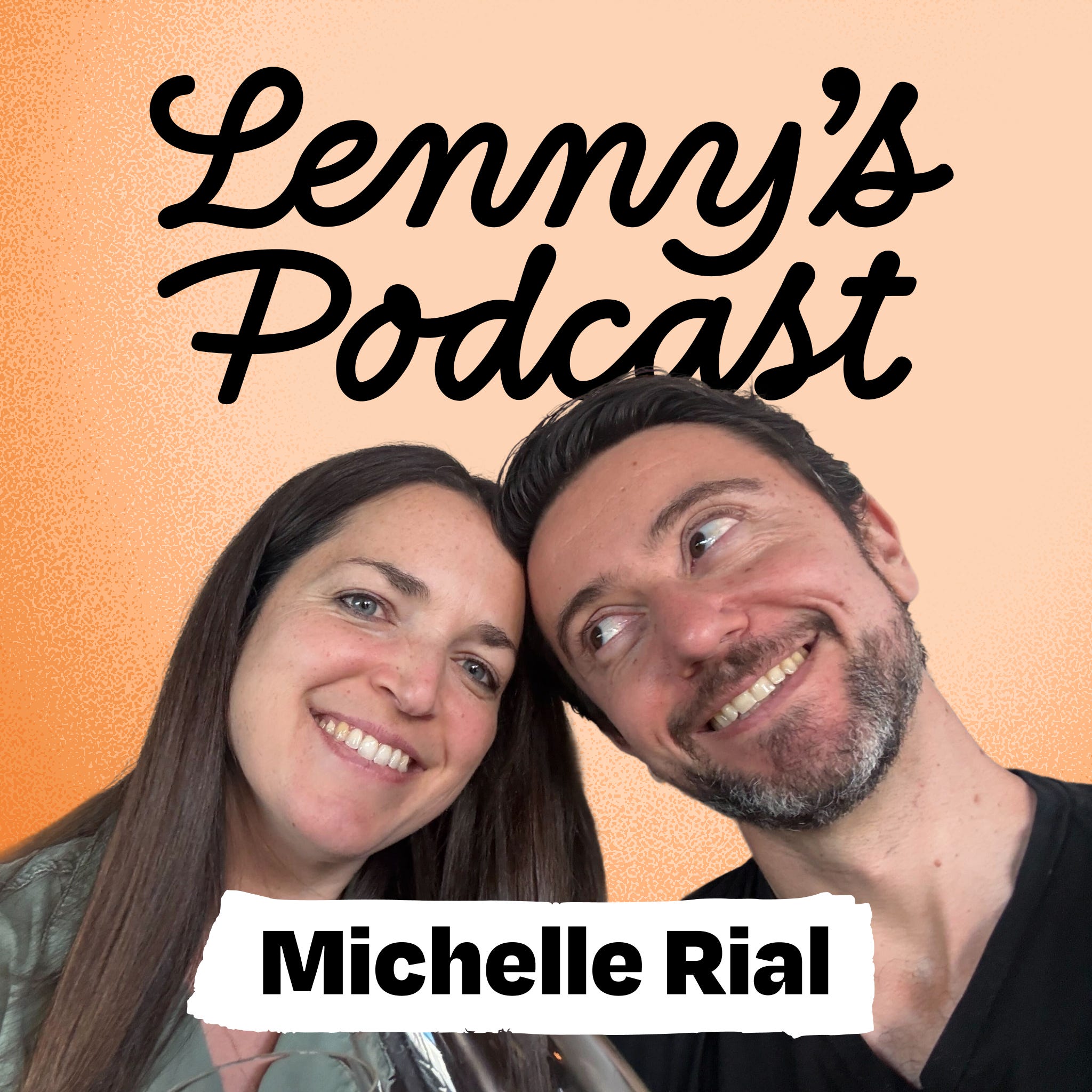
Artist Michelle Rial describes a creative peak fueled by a precise amount of coffee where she feels like a genius. However, exceeding that dose doesn't enhance creativity; it triggers anxiety and produces erratic, tangential ideas that are ultimately unproductive.
Related Insights
Anxiety often isn't a brain chemistry issue but a physical stress response. A blood sugar crash or caffeine can trigger a physiological state of emergency, and the mind then invents a psychological narrative (like work stress) to explain the physical sensation.

Artist Michelle Rial finds her creativity dries up when she focuses too hard on producing work. Her best ideas emerge from living life, observing the world, and processing her experiences. Creativity requires input from real life, not just scheduled output.
The brain maintains balance by counteracting any deviation to the pleasure side with an equal and opposite reaction to the pain side. This opponent process is why we experience hangovers and why chronic indulgence leads to a dopamine deficit state, driving us to use more just to feel normal.

Instead of using caffeine to wake up, delay intake for 2-3 hours. This allows natural adenosine to clear, creating more available receptors for caffeine to bind to later. This strategy transforms caffeine from a simple stimulant into a powerful tool for enhancing deep work and concentration.

The future of focus drugs isn't more powerful stimulants like Adderall. Instead, the breakthrough will come from substances that reduce cognitive 'noise' and craving, allowing for deliberate attention without over-activating the sympathetic nervous system and disrupting sleep. This is a subtle but critical shift in approach.

A CMO's award-winning poem wasn't written at her desk under pressure but came to her spontaneously during an ACDC concert. This illustrates that creative breakthroughs often happen when the mind is disengaged from the problem and in a state of relaxation or high energy, rather than through forced effort.
![What is Marketing? Part 2: Marketing is Poetry with Kory Marchisotto [Uncensored Renegades] thumbnail](https://img.transistorcdn.com/VIH3Rn5ET8-eHQxgBGNydnhXL95pc10_Kq7qTpjezuc/rs:fill:0:0:1/w:1400/h:1400/q:60/mb:500000/aHR0cHM6Ly9pbWct/dXBsb2FkLXByb2R1/Y3Rpb24udHJhbnNp/c3Rvci5mbS9zaG93/LzQ3MzEvMTU3MDAz/MjQ3NC1hcnR3b3Jr/LmpwZw.jpg)
People mistakenly believe their creativity drops off sharply after an initial burst, a phenomenon called the "creative cliff illusion." Research shows the opposite: idea generation and quality actually increase the longer you brainstorm. Pushing past the perceived mental block is where the best ideas are found.

To ensure peak creative performance anywhere, Jim Collins travels with his own coffee, filter, and water boiler. This ritual creates a consistent "boot up sequence" for his day, removing variables like room service and ensuring he can immediately enter his creative zone, regardless of location or time zone.
Miller refutes the idea that alcohol aided his creativity. In hindsight, he states it did him "nothing" good. Sobriety helped him realize that what he perceived as creative fuel was simply misdirected anger, and that clear-headed focus is a far more productive and powerful state for creating art.
Burnout is often misdiagnosed as a symptom of overwork. The Working Genius model suggests it's actually caused by spending too much time on tasks that fall outside your natural areas of genius and in your areas of frustration. Work that aligns with your genius can be energizing, even after long hours.