Get your free personalized podcast brief
We scan new podcasts and send you the top 5 insights daily.
Publishers are canceling books flagged by AI detection tools primarily to avoid online controversy and being "yelled at" by social media mobs. The decision is driven more by public relations management than a fundamental opposition to the use of AI in the writing process.

Related Insights
The negative reaction to "AI slop" isn't because the writing is poor. AI often produces above-average content using effective patterns. The problem is that these patterns are now so accessible and widely used that they've become saturated and generic, making the content easy to spot.

Many people's negative opinions on AI-generated content stem from a deep-seated fear of their jobs becoming obsolete. This emotional reaction will fade as AI content becomes indistinguishable from human-created content, making the current debate a temporary, fear-based phenomenon.

The distinction between AI-assisted and purely human-created content is becoming impossible to draw. Rather than verifying origin, the focus will shift to holding the publisher accountable for the final product's quality and accuracy, regardless of the tools used in its creation.

The CEO of Superhuman argues that the threshold for acceptable AI use in writing is situational. AI detection tools should be used not to enforce a universal ban, but to assess if the level of AI generation aligns with the context and the audience's expectations, much like calculator use varies by exam.

The backlash against AI in writing often assumes writers use tools like ChatGPT as their only source for research and composition. In reality, professionals use AI as a time-saving assistant for tasks like summarizing topics or refining sentences, while still relying on extensive primary research and maintaining their own voice.
In announcing 4,800 layoffs, Microsoft explicitly stated that roles are "not actually being directly replaced by AI." This careful messaging is a PR strategy to avoid positioning AI as a job-killing "villain," reflecting a broader cautiousness among major AI sellers who need to manage public and policy perception.
The controversy over AI's role in editing is misguided because books have never been the sole product of a single author. The final text is already an amalgamation of inputs from editors and agents. AI is simply a new tool in this long-standing collaborative process, not a fundamental shift in authorial purity.
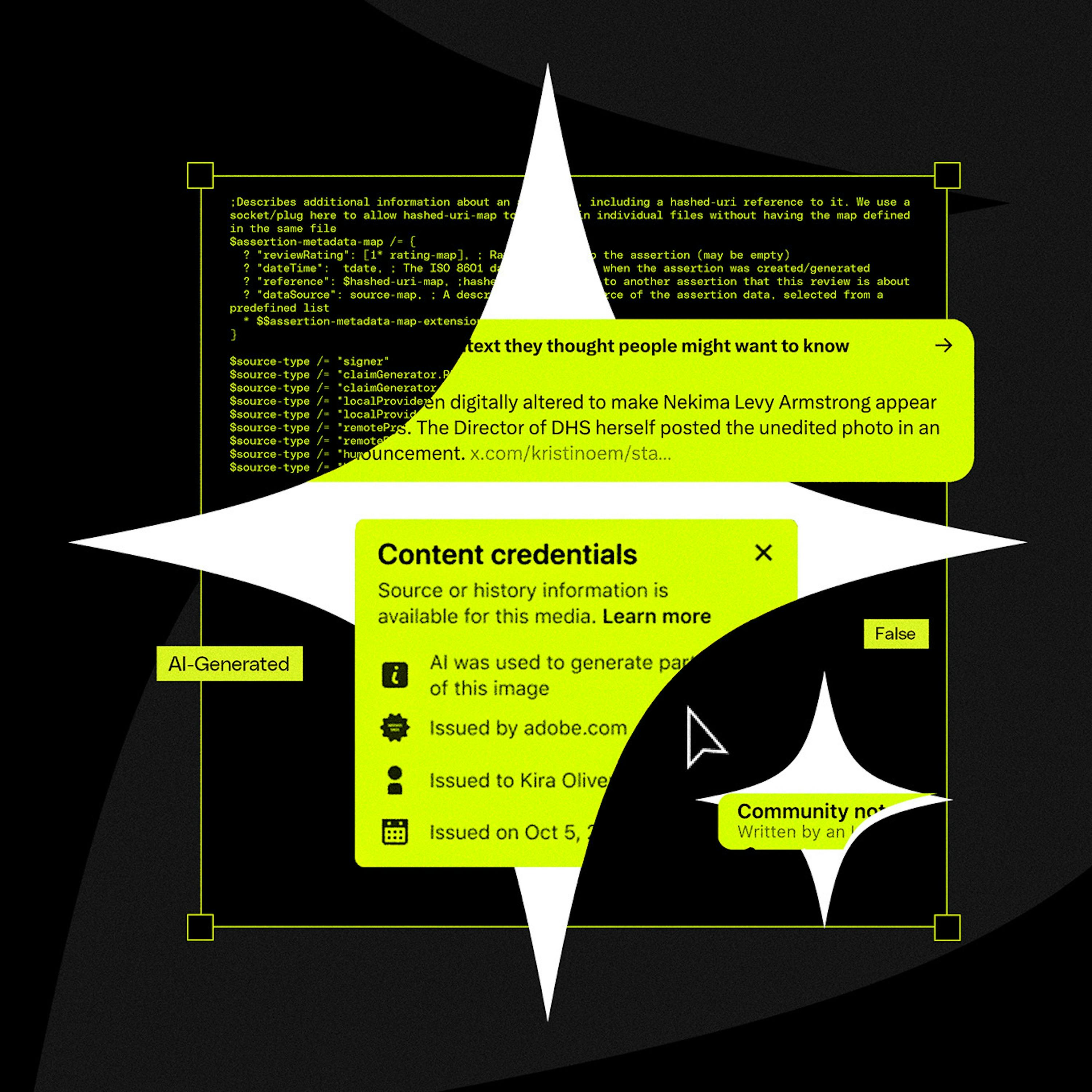
The "AI-generated" label carries a negative connotation of being cheap, efficient, and lacking human creativity. This perception devalues the final product in the eyes of consumers and creators, disincentivizing platforms from implementing labels that would anger their user base and advertisers.
While many fear AI-generated books, author Joanna Stern reveals how professionals actually use the technology. AI was not used to write prose but was indispensable for backend tasks like organizing notes, managing timelines, and formatting endnotes, accelerating the entire process.

Major platforms like YouTube, Snapchat, and LinkedIn are actively removing or flagging low-effort AI-generated content. This backlash isn't against AI itself but against the sheer volume of "slop" that degrades user experience. This forces platforms to curate for quality and could steer AI use toward more valuable applications.
