Get your free personalized podcast brief
We scan new podcasts and send you the top 5 insights daily.
Rapidly increasing a startup's valuation through frequent funding rounds significantly reduces the potential equity returns for future employees. Linear avoids this "momentum" play to ensure that all hires, regardless of when they join, have a meaningful opportunity for financial upside, which is crucial for long-term talent attraction.

Related Insights
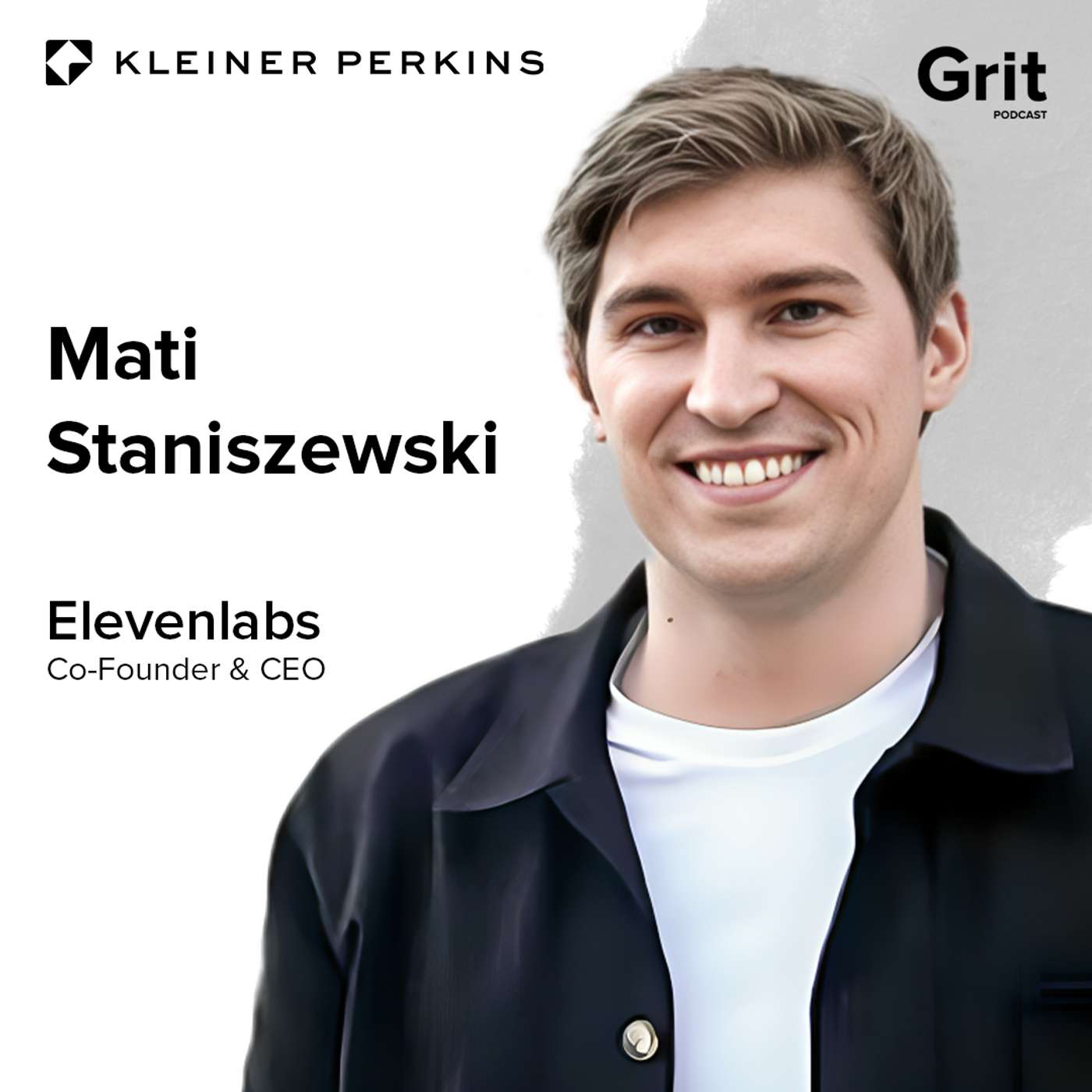
ElevenLabs raised a $100M round entirely for employee secondaries. The CEO's rationale is that by allowing early team members to de-risk and realize financial gains, it solidifies their commitment to the company's multi-year mission rather than creating pressure for a quick exit.
More startups die from overfunding ("indigestion") than underfunding ("starvation"). Raising too much capital leads to operational indiscipline and sets an extremely high valuation hurdle for the next round. This creates a toxic situation, as new investors almost never want to lead a down round in someone else's company.

Accepting significant capital before establishing a repeatable growth model is dangerous. It leads to premature salary inflation, aggressive hiring disconnected from revenue, cultural dilution, and a false sense of success that erodes the team’s grit and hunger.

Contrary to founder belief, raising too much money is incredibly dangerous. It fosters a lack of discipline and operational "indigestion." A high valuation also sets a dangerous precedent, making future fundraising difficult as new investors are loath to lead a down round, effectively trapping the company.

The first question in any fundraising or M&A discussion is always, 'What was your last round price?' An inflated number creates psychological friction and can halt negotiations before they begin. Founders should optimize for a valuation that allows for a clear up-round, not just the highest price today.

Accepting too high a valuation can be a fatal error. The first question in any subsequent fundraising or M&A discussion will be about the prior round's price. An unjustifiably high number immediately destroys the psychology of the new deal, making it nearly impossible to raise more capital or sell the company, regardless of progress.
For startups experiencing hyper-growth, the optimal strategy is to raise capital aggressively and frequently—even multiple times a year—regardless of current cash reserves. This builds a war chest, solidifies a high valuation based on momentum, and effectively starves less explosive competitors of investor attention and capital.

Chasing high, unrealized valuations is dangerous. It makes common stock prohibitively expensive, undermining the potential for life-changing wealth for employees—a key recruiting tool. It also narrows a company's strategic options, locking it into a high-stakes path where anything less than exceeding the last valuation is seen as failure.

High private valuations aren't just about pressure; they signal to potential hires that future success is already priced in. Cresta's CEO notes that smart candidates may opt out, recognizing that even with flawless execution, their equity upside is capped, making it a less attractive proposition.

The founder advises against always pursuing the highest valuation, noting it can lead to immense pressure and difficulties in subsequent rounds if the market normalizes. Prioritizing investor chemistry and a fair, responsible valuation is a more sustainable long-term strategy.