Get your free personalized podcast brief
We scan new podcasts and send you the top 5 insights daily.
In affluent enclaves, the cost of local goods and services inflates in direct proportion to residents' wealth. This dynamic of "rich people inflation" means that even as their net worth grows, their local purchasing power remains static, creating a psychological state of feeling comparatively poor despite objective wealth.

Related Insights
The wealth divide is exacerbated by two different types of inflation. While wages are benchmarked against CPI (consumer goods), wealth for asset-holders grows with "asset price inflation" (stocks, real estate), which compounds much faster. Young people paid in cash cannot keep up.

Even if everyone's quality of life improves, people can remain unhappy if the wealth gap widens. Happiness is tied to relative standing (envy) as much as personal progress, a concept known as the hedonistic treadmill.

The subjective experience of suffering can be worse for those who are poor amidst extreme wealth (e.g., homeless in San Francisco) than for those in an environment of shared, absolute poverty. The constant, stark comparison of one's own failure against others' success can create a mental anguish that outweighs objective material hardship.
A founder with a $4M liquid net worth and $500k household income still feels like life in a major city is a "struggle." High fixed costs like childcare and a mortgage, combined with lifestyle expectations, create a sense of financial pressure despite being objectively wealthy.

The distorted perception of one's financial health, or 'money dysmorphia,' is not exclusive to the financially insecure. A significant portion of Americans earning over $100k annually do not consider themselves wealthy, revealing a stark disconnect between financial reality and perception fueled by online comparisons to extreme wealth.
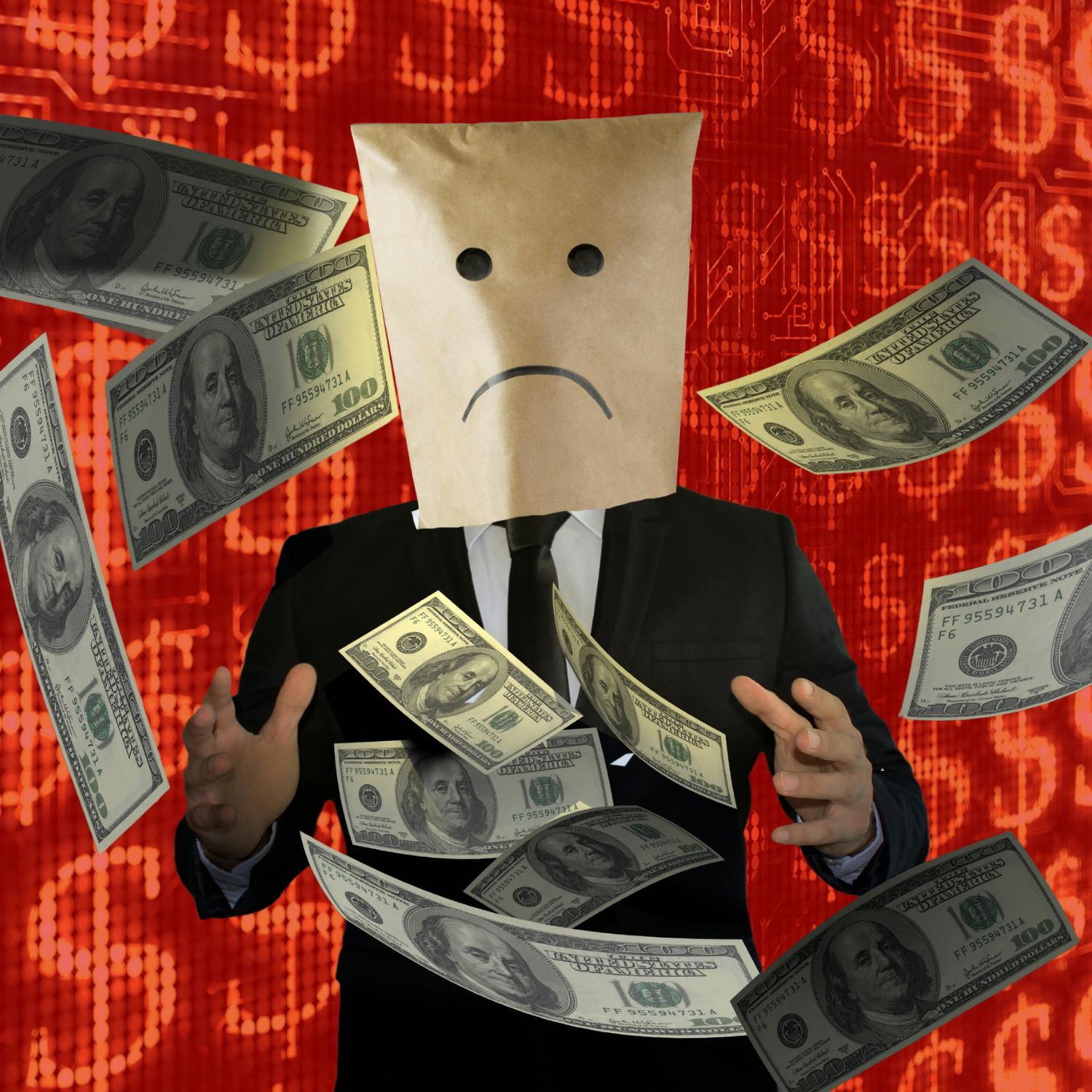
Contrary to popular belief, a large income doesn't guarantee wealth. High earners are more susceptible to "competing with the Joneses," leading to lifestyle inflation that consumes their income. People earning less may face less social pressure, making it easier to save and invest.

Despite living with unprecedented wealth, many in the West feel a 'cost of living crisis.' This is because human happiness is dictated by a narrow frame of reference—we compare ourselves to our immediate peers, not to the global population or to past generations. Our sense of well-being is relative, not absolute.
While wage data may contradict a crisis, people feel poorer because happiness equals prosperity minus expectations. Social media massively inflates expectations by normalizing the lifestyle of the top 0.1%, causing widespread feelings of financial failure.

The public's frustration with affordability stems from a psychological disconnect. While wages have risen to match higher prices, people perceive the inflation surge as an unfair loss, failing to connect it to their own income gains. This creates a political challenge where economic data and public sentiment diverge.

Despite data showing immense long-term progress, public sentiment is often negative. This disconnect arises because people judge their well-being relative to others, not to past generations. When economic gains are not broadly shared, the feeling of falling behind outweighs the reality of absolute improvement.
