Get your free personalized podcast brief
We scan new podcasts and send you the top 5 insights daily.
In the age of AI, distinct roles like designer, PM, and engineer are converging. Long-term career success hinges on the ability to fluidly move between these disciplines and focus on shipping good software, rather than being confined by a rigid job title. Obsession with titles is a liability.
Related Insights
Engineers, designers, and product managers now believe AI empowers them to perform the others' jobs. An engineer with AI can handle design and PM tasks, and vice versa. This isn't a threat but an opportunity for individuals to become multi-skilled and create immense value by combining domains.

The historical separation between product management, design, and engineering is dissolving. AI assistants handle the coding, allowing a single person to define the product (PM), ensure high-quality aesthetics and UX (designer), and direct the technical implementation (engineer), thus converging the three roles.

Dylan Field predicts that AI tools will blur the lines between design, engineering, and product management. Instead of siloed functions, teams will consist of 'product builders' who can contribute across domains but maintain a deep craft in one area. Design becomes even more critical in this new world.

As AI handles coding, traditional tech roles will merge. At Anthropic, PMs, designers, and engineers all code. The future is a generalist "Builder" who can handle multiple disciplines, making role specialization obsolete.

The traditional tech team structure of separate product, engineering, and design roles is becoming obsolete. AI startups favor small teams of 'polymaths'—T-shaped builders who can contribute across disciplines. This shift values broad, hands-on capability over deep specialization for most early-stage roles.
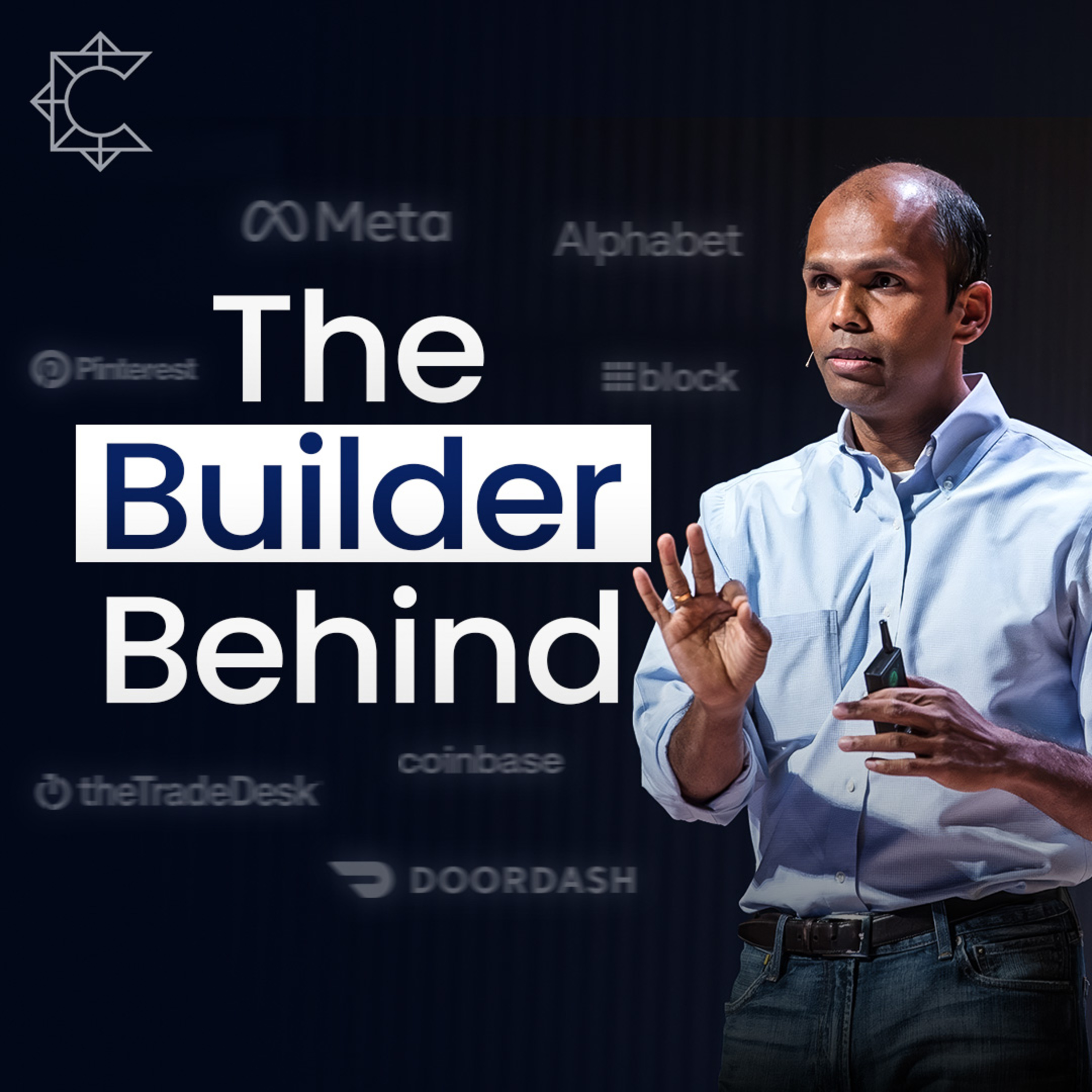
As AI democratizes the ability to create products, rigid job titles like "Product Manager" and "Engineer" will become obsolete. Meta PM Zevi Arnovitz predicts that responsibilities will merge, and the focus will shift to the act of creation. In the near future, everyone on a product team will simply be a "builder."

AI agents empower individuals to perform tasks outside their core roles. At OpenAI, designers now write significant code, and PMs build functional prototypes. This blurs the lines between engineering, design, and product, unifying them under the umbrella of being "builders."

AI tools are collapsing the traditional moats around design, engineering, and product. As PMs and engineers gain design capabilities, designers must reciprocate by learning to code and, more importantly, taking on strategic business responsibilities to maintain their value and influence.
As AI tools empower individuals to handle tasks across the entire product development lifecycle, traditional, siloed roles are merging. This fundamental shift challenges how tech professionals define their value and contribution, causing significant professional anxiety.

AI tools empower individuals to perform tasks traditionally siloed in other functions (e.g., PMs designing). This blurs the lines between specialized roles, leading to a "collapse" where one person can take a product from idea to prototype, fundamentally changing team structures.
