Get your free personalized podcast brief
We scan new podcasts and send you the top 5 insights daily.
As AI handles coding, traditional tech roles will merge. At Anthropic, PMs, designers, and engineers all code. The future is a generalist "Builder" who can handle multiple disciplines, making role specialization obsolete.

Related Insights
The historical separation between product management, design, and engineering is dissolving. AI assistants handle the coding, allowing a single person to define the product (PM), ensure high-quality aesthetics and UX (designer), and direct the technical implementation (engineer), thus converging the three roles.

AI empowers coders, designers, and product managers to perform each other's core tasks. This creates a "Mexican standoff" where individuals in each role believe they no longer need the other two, fundamentally changing team structures.

Dylan Field predicts that AI tools will blur the lines between design, engineering, and product management. Instead of siloed functions, teams will consist of 'product builders' who can contribute across domains but maintain a deep craft in one area. Design becomes even more critical in this new world.

The traditional tech team structure of separate product, engineering, and design roles is becoming obsolete. AI startups favor small teams of 'polymaths'—T-shaped builders who can contribute across disciplines. This shift values broad, hands-on capability over deep specialization for most early-stage roles.

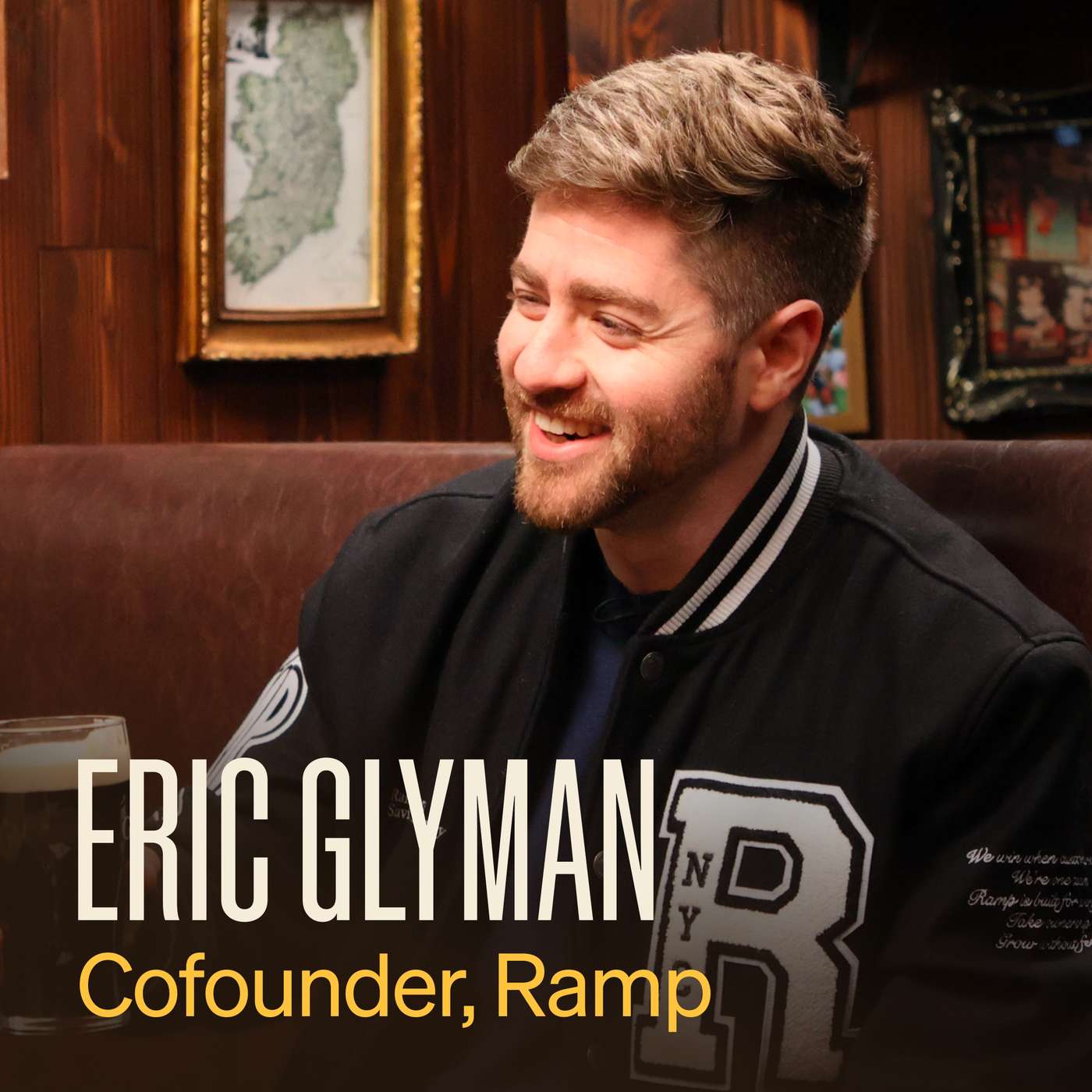
With AI coding assistants, the barriers to shipping software are eroding. At Ramp, designers and customer support agents are now shipping code to production. This suggests a future where the traditional, siloed Engineering, Product, and Design (EPD) team structure becomes obsolete.
As AI democratizes the ability to create products, rigid job titles like "Product Manager" and "Engineer" will become obsolete. Meta PM Zevi Arnovitz predicts that responsibilities will merge, and the focus will shift to the act of creation. In the near future, everyone on a product team will simply be a "builder."

The traditional definition of a developer, centered on mastering programming languages, is becoming obsolete. As AI agents handle code generation, the most valuable skills are now clarity of thought, understanding user needs, and designing robust systems, opening the field to new personas.
As AI tools empower individuals to handle tasks across the entire product development lifecycle, traditional, siloed roles are merging. This fundamental shift challenges how tech professionals define their value and contribution, causing significant professional anxiety.

AI's rise means traditional product roles are merging. Instead of identifying as a PM or designer, focus on your core skills (e.g., visual aesthetics, systems thinking) and use AI to fill gaps. This 'builder' mindset, focused on creating end-to-end, is key for future relevance.
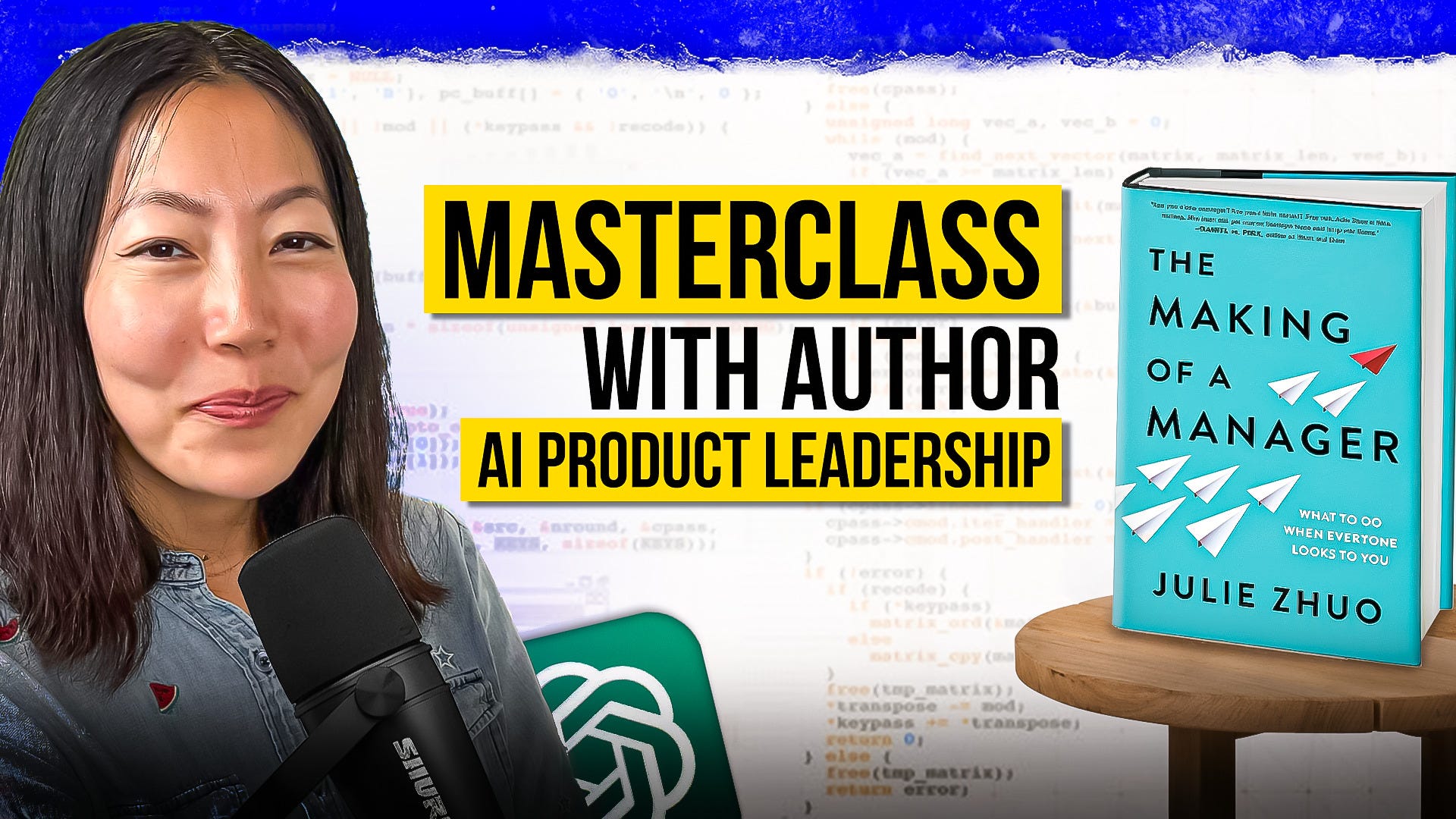
Top engineers are no longer just coding specialists. They are hybrids who cross disciplines—combining product sense, infrastructure knowledge, design skills, and user empathy. AI handles the specialized coding, elevating the value of broad, system-level thinking.