Get your free personalized podcast brief
We scan new podcasts and send you the top 5 insights daily.
China countered the Iran oil crisis by shifting 1.4M barrels/day of demand to EVs and cutting overall demand by 3-4M barrels/day. This move stabilized prices, demonstrated immense control over its energy consumption, and showcased its green tech dominance as a foreign policy tool.

Related Insights
Despite a massive 9% drop in oil demand, China experienced little visible disruption. This wasn't due to a government conservation campaign but rather consumers independently shifting to cheaper, lower-carbon alternatives like EVs and subways in response to higher fuel prices, a form of quiet economic choice.

China's investment in green technology is driven less by environmentalism and more by strategic goals. By dominating renewables and EVs, China reduces its dependence on foreign oil—a key vulnerability in a potential conflict with the US—while building global soft power and boosting its GDP through green tech exports.
The primary reason oil prices didn't surge into the triple digits was China's remarkable ability to adapt. By massively reducing crude imports and switching to other sources like coal while accelerating EV adoption, China single-handedly absorbed a significant portion of the global supply shock.

China blunted the U.S. strategy by anticipating the Hormuz closure and cutting its oil imports by 6 million barrels per day when prices spiked above $170. This massive, rapid reduction in demand stabilized global prices and demonstrated China's ability to manage energy shocks, undermining the U.S. show of force.
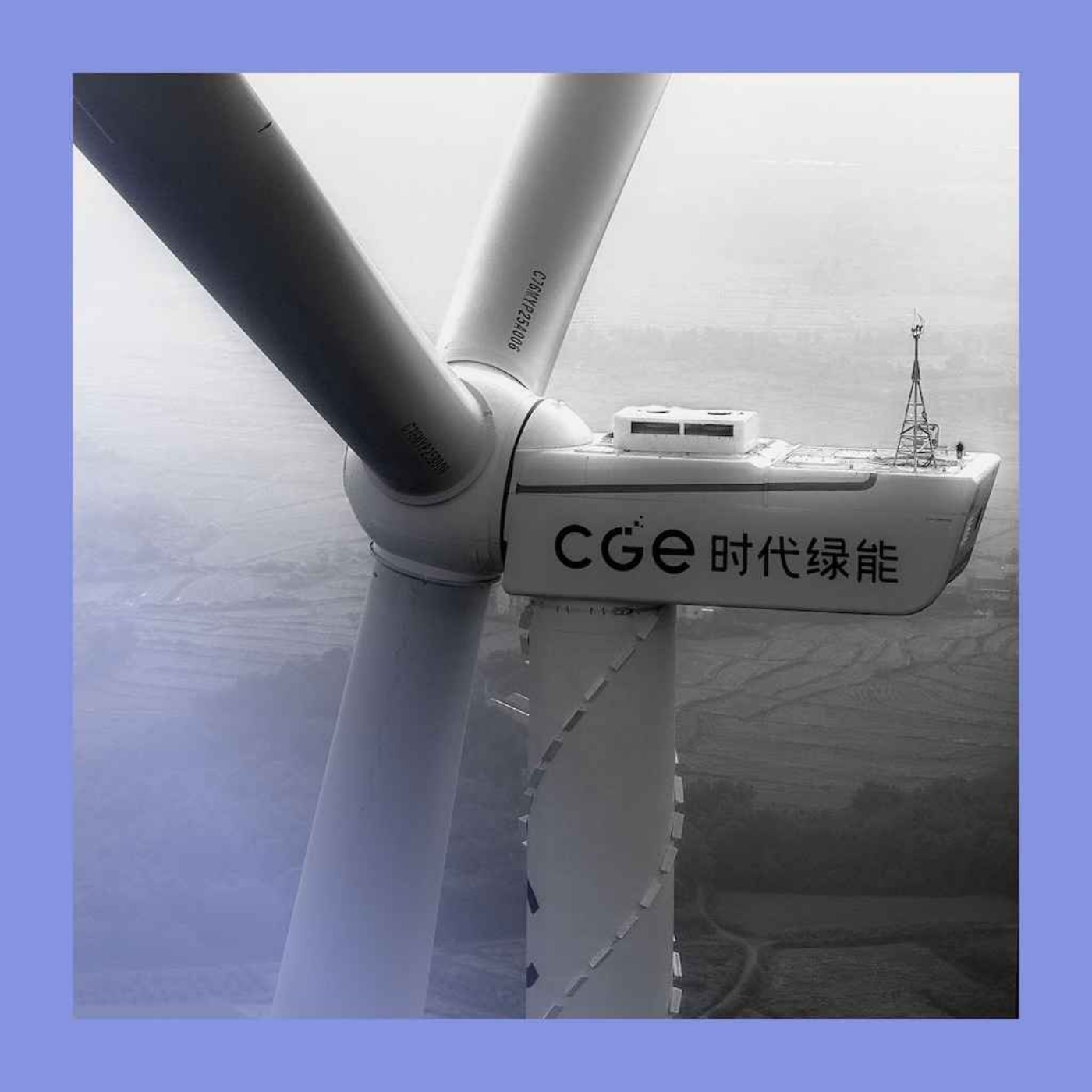
Blockades in critical waterways like the Strait of Hormuz force nations to seek energy independence through renewables. This structural shift primarily benefits China, which controls the majority of the global supply chain for windmills (60%), EVs (70%), and solar panels (80%), solidifying its long-term strategic advantage.

While the Iran conflict creates short-term economic pain for China, it powerfully validates its long-term strategy. The disruption in the Strait of Hormuz highlights the vulnerability of oil dependency, making China's massive, state-led investments in electrification, solar, and batteries appear exceptionally prescient and strategic.

The explosive growth of electric vehicles in China has fundamentally altered its energy landscape. Demand for transportation fuels like gasoline and diesel has already peaked, years ahead of previous forecasts. This rapid shift forces global energy markets and China's national oil companies to recalculate the timeline for peak global oil demand.

While the U.S. pursues "energy dominance" via LNG and oil exports, China is establishing itself as a "green tech superpower." By supplying affordable solar panels, batteries, and EVs, China offers other nations a path to energy security and independence, creating a new form of geopolitical influence that challenges the fossil fuel-based world order.
Faced with geopolitical uncertainty in key supplier nations, China employs a dual strategy for energy security. It has built a massive oil stockpile providing 120 days of cover for supply disruptions. Concurrently, it's rapidly electrifying its transport sector to reduce its long-term dependence on imported oil.

The global pivot to renewables and EVs is increasingly driven by national security, not just climate policy. Nations like China and Europe are accelerating investments to achieve energy independence and insulate themselves from weaponized fossil fuel supplies (e.g., US LNG, Russian gas), recasting the energy transition as a security imperative.