Get your free personalized podcast brief
We scan new podcasts and send you the top 5 insights daily.
While the U.S. pursues "energy dominance" via LNG and oil exports, China is establishing itself as a "green tech superpower." By supplying affordable solar panels, batteries, and EVs, China offers other nations a path to energy security and independence, creating a new form of geopolitical influence that challenges the fossil fuel-based world order.

Related Insights
China's dominance in clean energy technology presents a deep paradox: it is funded by fossil fuels. Manufacturing solar panels, batteries, and EVs is incredibly energy-intensive. To meet this demand, China is increasing its coal imports and consumption, simultaneously positioning itself as a climate 'saint' for its green exports and a 'sinner' for its production methods.

China's investment in green technology is driven less by environmentalism and more by strategic goals. By dominating renewables and EVs, China reduces its dependence on foreign oil—a key vulnerability in a potential conflict with the US—while building global soft power and boosting its GDP through green tech exports.
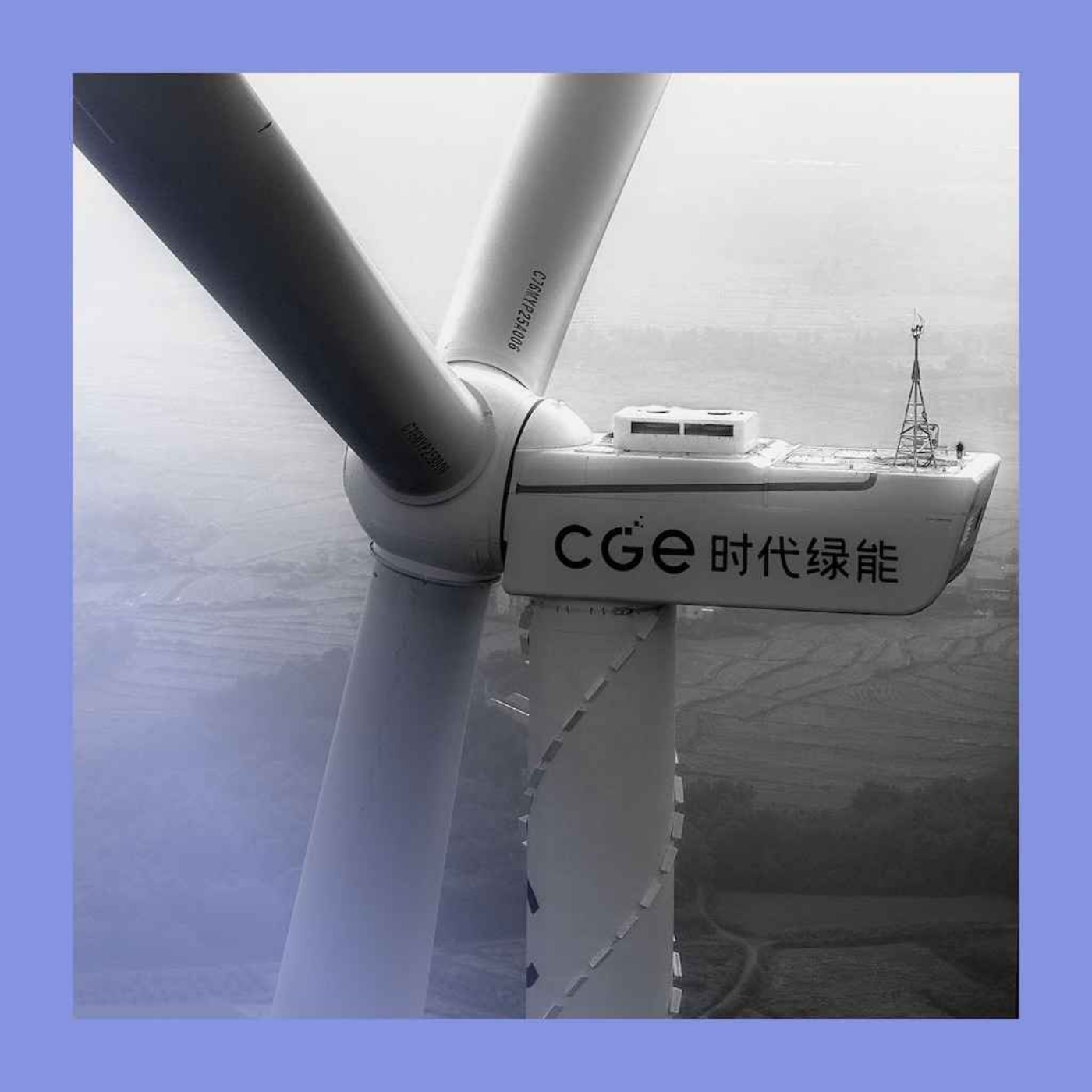
China's frantic deployment of solar is a strategic move to reduce dependence on oil imported through sea lanes it doesn't control, such as the Strait of Malacca. By becoming an 'electrostate,' China aims to neutralize a key point of economic and military leverage held by the U.S. and its allies.

Beyond environmental benefits, climate tech is crucial for national economic survival. Failing to innovate in green energy cedes economic dominance to countries like China. This positions climate investment as a matter of long-term financial and geopolitical future-proofing for the U.S. and Europe.

China is restricting exports of essential rare earth minerals and EV battery manufacturing equipment. This is a strategic move to protect its global dominance in these critical industries, leveraging the fact that other countries have outsourced environmentally harmful mining to them for decades.

The US is betting on winning the AI race by building the smartest models. However, China has strategically mastered the entire "electric stack"—energy generation, batteries, grids, and manufacturing. Beijing offers the world the 21st-century infrastructure needed to power AI, while Washington focuses on 20th-century energy sources.

China strategically skipped competing in established markets like internal combustion engines to focus on emerging technologies like electric vehicles. This allowed them to build a competitive advantage from the ground up, leveraging their domestic market and dense supply chains to become world leaders.
![John Arnold - China, Energy Markets and Fixing America's Systems - [Invest Like the Best, EP.461] thumbnail](https://megaphone.imgix.net/podcasts/8d466670-1755-11f1-baf2-dfb3d97a3978/image/4ec9ac82b5c7a937e9e90aa69d037805.jpg?ixlib=rails-4.3.1&max-w=3000&max-h=3000&fit=crop&auto=format,compress)
China's economic model, driven by internal provincial competition, creates massive overcapacity. This is intentionally turned into an asset by dumping subsidized products (like EVs) into foreign markets below cost. The goal is to eliminate foreign competitors, create dependency, and convert domestic economic chaos into international power.

China has undergone a radical transformation, from being opened by British coal-fired warships in the 19th century to now being a nation whose immense fossil fuel demand and green energy manufacturing dominance fundamentally reshapes the entire global geopolitical landscape.

The global energy transition is also a geopolitical race. China is strategically positioning itself to dominate 21st-century technologies like solar and EVs. In contrast, the U.S. is hampered by a legacy mindset that equates economic growth with fossil fuels, risking its future competitiveness.
