Get your free personalized podcast brief
We scan new podcasts and send you the top 5 insights daily.
Addiction creates a vicious cycle. An individual uses a substance to cope with negative feelings, which leads to sacrificing personal values. This sacrifice creates more guilt and shame, which they then use the substance to numb, deepening the spiral.

Related Insights
Melissa Wood Tepperberg's attempt to escape past trauma led to a cycle of numbing behaviors like binge drinking and eating. This created intense self-hatred, culminating in a rock-bottom moment where she realized she had to choose a different path or face self-destruction.

A common cognitive error in addiction is misattributing the feeling of relief from withdrawal as a positive effect of the substance itself. The first cigarette of the day doesn't create a good feeling, it simply alleviates the negative, agitated state created by overnight nicotine withdrawal, trapping the user in a cycle.

The "disease model" of addiction is flawed because it removes personal agency. Addiction is more accurately understood as a behavioral coping mechanism to numb the pain of unresolved trauma. Healing requires addressing the root cause of the pain, not just treating the addiction as a brain defect.

A powerful definition of addiction is the gradual shrinking of a person's sources of joy. As the addiction takes hold, natural rewards like relationships, work, and hobbies fall away until the substance or behavior becomes the only thing left that provides a feeling of reward, creating a powerful psychological dependency.
Many successful men maintain a perfectionist image rooted in childhood conditioning where love was conditional. When they inevitably fall short, they experience intense shame. Instead of seeking help, they self-medicate with various vices to cope, leading to a private downward spiral.

Addiction isn't defined by the pursuit of pleasure. It's the point at which a behavior, which may have started for rational reasons, hijacks the brain’s reward pathway and becomes compulsive. The defining characteristic is the inability to stop even when the behavior no longer provides pleasure and begins causing negative consequences.
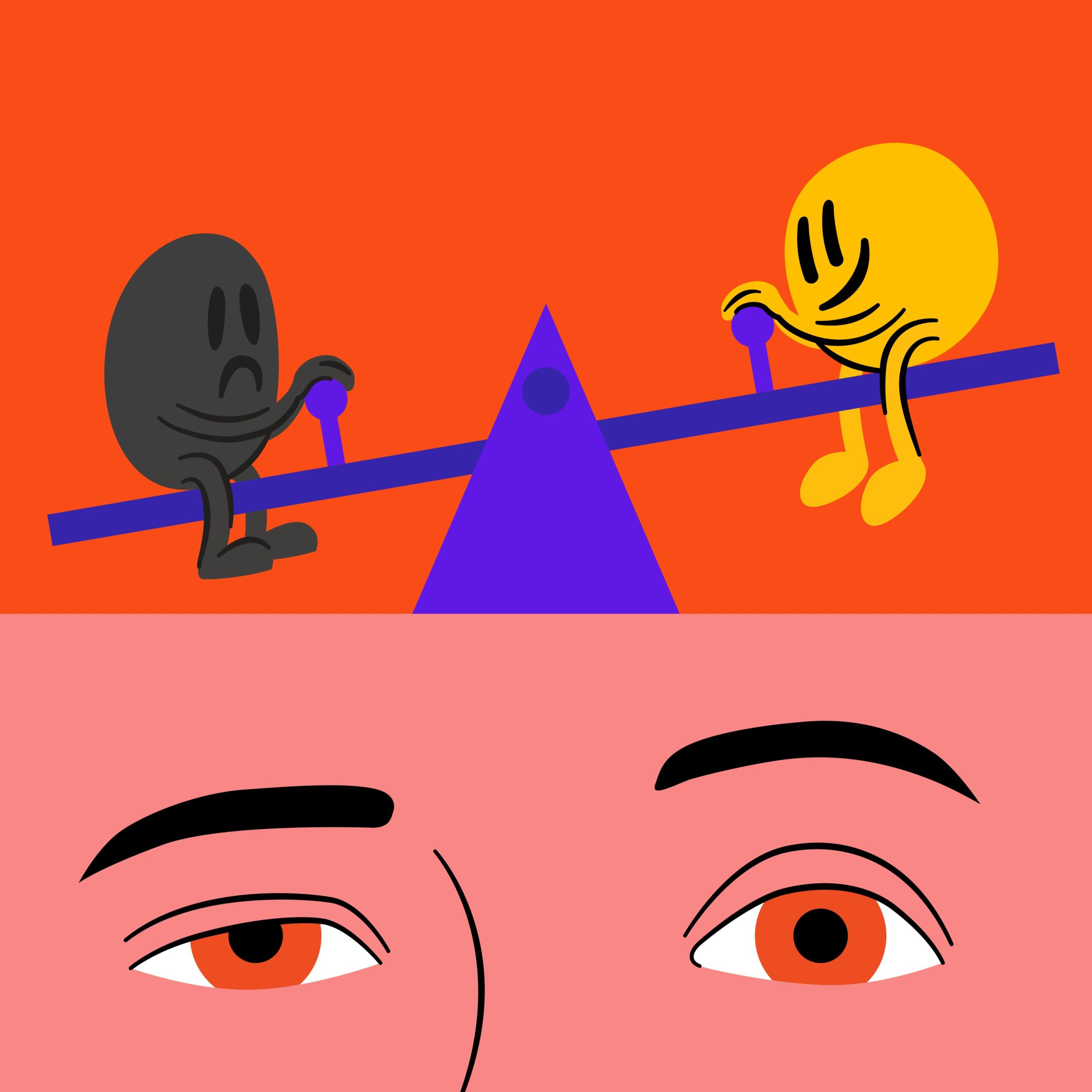
Initially, addictive behaviors are pursued for a pleasurable dopamine rush. Over time, the brain's dopamine system adapts and down-regulates, diminishing the pleasure. The behavior then becomes a compulsive habit driven not by a desire for a high, but by the urgent need to avoid the anxiety and physical discomfort of withdrawal.

Winning provides a powerful but temporary high. However, for some gambling addicts, the intense emotional state of losing—and the accompanying shame and destruction—becomes the true addiction. This self-sabotage recreates familiar patterns of childhood trauma, making the pain of the bottom a sought-after feeling.
Constantly bombarding our reward pathways causes the brain to permanently weigh down the 'pain' side of its pleasure-pain balance. This alters our baseline mood, or 'hedonic set point,' meaning we eventually need our substance or behavior not to get high, but simply to escape a state of withdrawal and feel normal.
Rather than viewing addiction as a simple vice, it can be understood as a desperate attempt to find transcendence or a temporary refuge from a painful reality. This perspective, shared by a Native elder, recasts addiction as a spiritual quest gone awry, rooted in a need for a different state of being.