Get your free personalized podcast brief
We scan new podcasts and send you the top 5 insights daily.
High costs and red tape have pushed film production out of Los Angeles. Ben Affleck suggests AI tools, like generating realistic backdrops, could reverse this trend. By enabling crews to shoot a North Pole scene in a local studio, AI reduces logistical expenses, potentially making Hollywood the central, cost-effective hub for talent and production again.

Related Insights
The fear that AI will replace top artists is misplaced. The correct framing is what happens when top talent gets AI tools. A director like Steven Spielberg could potentially increase their output 20-fold for a fraction of the cost, leading to a massive increase in high-quality creative work.

The traditional Hollywood production model, with its bloated crews and high costs, is unsustainable. AI will drastically lower production costs while audience preferences shift to short-form video. This dual threat will force a brutal economic reckoning and consolidation.

Don't view generative AI video as just a way to make traditional films more efficiently. Ben Horowitz sees it as a fundamentally new creative medium, much like movies were to theater. It enables entirely new forms of storytelling by making visuals that once required massive budgets accessible to anyone.

While generative video gets the hype, producer Tim McLear finds AI's most practical use is automating tedious post-production tasks like data management and metadata logging. This frees up researchers and editors to focus on higher-value creative work, like finding more archival material, rather than being bogged down by manual data entry.
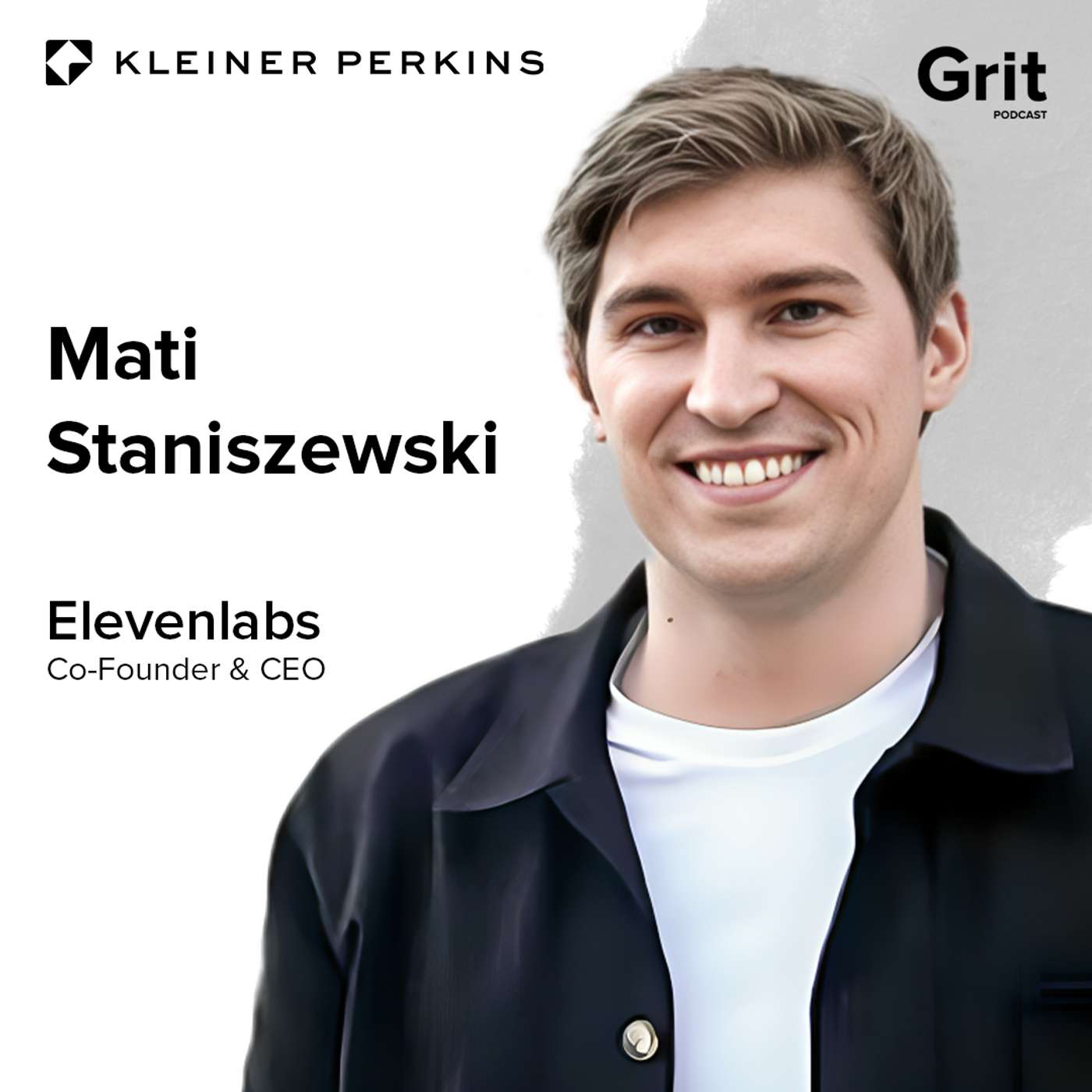
ElevenLabs' CEO predicts AI won't enable a single prompt-to-movie process soon. Instead, it will create a collaborative "middle-to-middle" workflow, where AI assists with specific stages like drafting scripts or generating voice options, which humans then refine in an iterative loop.
Social media allows anyone to be a "reality TV star," but creating high-production fiction requires immense capital. As AI tools democratize filmmaking, countless talented storytellers who prefer working behind the scenes—the Christopher Nolans of the world—can finally produce their visions.

The OpenAI team believes generative video won't just create traditional feature films more easily. It will give rise to entirely new mediums and creator classes, much like the film camera created cinema, a medium distinct from the recorded stage plays it was first used for.

The most tangible fear of AI in Hollywood isn't replacing A-list actors, who have leverage for consent and compensation. The immediate threat is to production jobs—grips, makeup—as AI enables digital reshoots and effects, reducing the need for on-set labor.

The insatiable demand for data centers is leading developers to acquire and convert non-traditional properties, including a haunted house attraction in Pennsylvania and Hollywood sound stages. This illustrates the sheer physical scale of the AI build-out and how it's tangibly reshaping the physical landscape in unexpected ways beyond typical industrial zones.

While photorealism is a common goal, the first fully AI-generated films will likely be animated or fantasy. This is because traditional filmmaking is already cheap and effective at capturing reality. AI's true economic and creative advantage lies in generating complex, non-photorealistic visuals that are currently expensive to produce.
