Get your free personalized podcast brief
We scan new podcasts and send you the top 5 insights daily.
While providing services for equity seems aligned, it can harm a VC's ability to win competitive deals. This model turns every interaction into a negotiation over scope and compensation, creating friction that a straightforward investment model avoids, thereby fostering a more genuine partnership.

Related Insights
Successful founders prioritize cash upfront over potentially larger payouts from complex earnouts. Earnouts often underperform because founders lose control of the business's future performance, leading to dissatisfaction despite a higher on-paper valuation.

A venture capitalist's career security directly impacts the founder relationship. VCs with a proven track record (like Sequoia's Andrew Reed) act as supportive partners. In contrast, junior or less successful VCs often transfer pressure from their own partnerships onto the founder, creating a stressful and counterproductive dynamic.
Unlike in private equity, an early-stage venture investment is a bet on the founder. If an early advisor, IP holder, or previous investor holds significant control, it creates friction and hinders the CEO's ability to execute. QED's experience shows that these situations are untenable and should be avoided.

Founders should press VCs on how they specifically envision working together. A strong investor can articulate a nuanced plan tailored to the team's unique needs and the founder's working style, moving beyond a generic menu of services to show true alignment and understanding of the business's goals.
The rise of founder-optimized fundraising—raising smaller, more frequent rounds to minimize dilution—is systematically eroding traditional VC ownership models. What is a savvy capital strategy for a founder directly translates into a VC failing to meet their ownership targets, creating a fundamental conflict in the ecosystem.
Competing to be a founder's "first call" is a crowded, zero-sum game. A more effective strategy is to be the "second call"—the specialist a founder turns to for a specific, difficult problem after consulting their lead investor. This positioning is more scalable, collaborative, and allows for differentiated value-add.

The legendary investor calls venture capital's business model a "scam" because VCs get paid management fees regardless of performance. He argues this structure incentivizes deploying capital even on overly risky bets, as the manager's personal downside is limited while their upside is significant.

Granting a full co-founder 50% equity is a massive, often regrettable, early decision. A better model is to bring on a 'partner' with a smaller, vested equity stake (e.g., 10%). This provides accountability and complementary skills without sacrificing majority ownership and control.

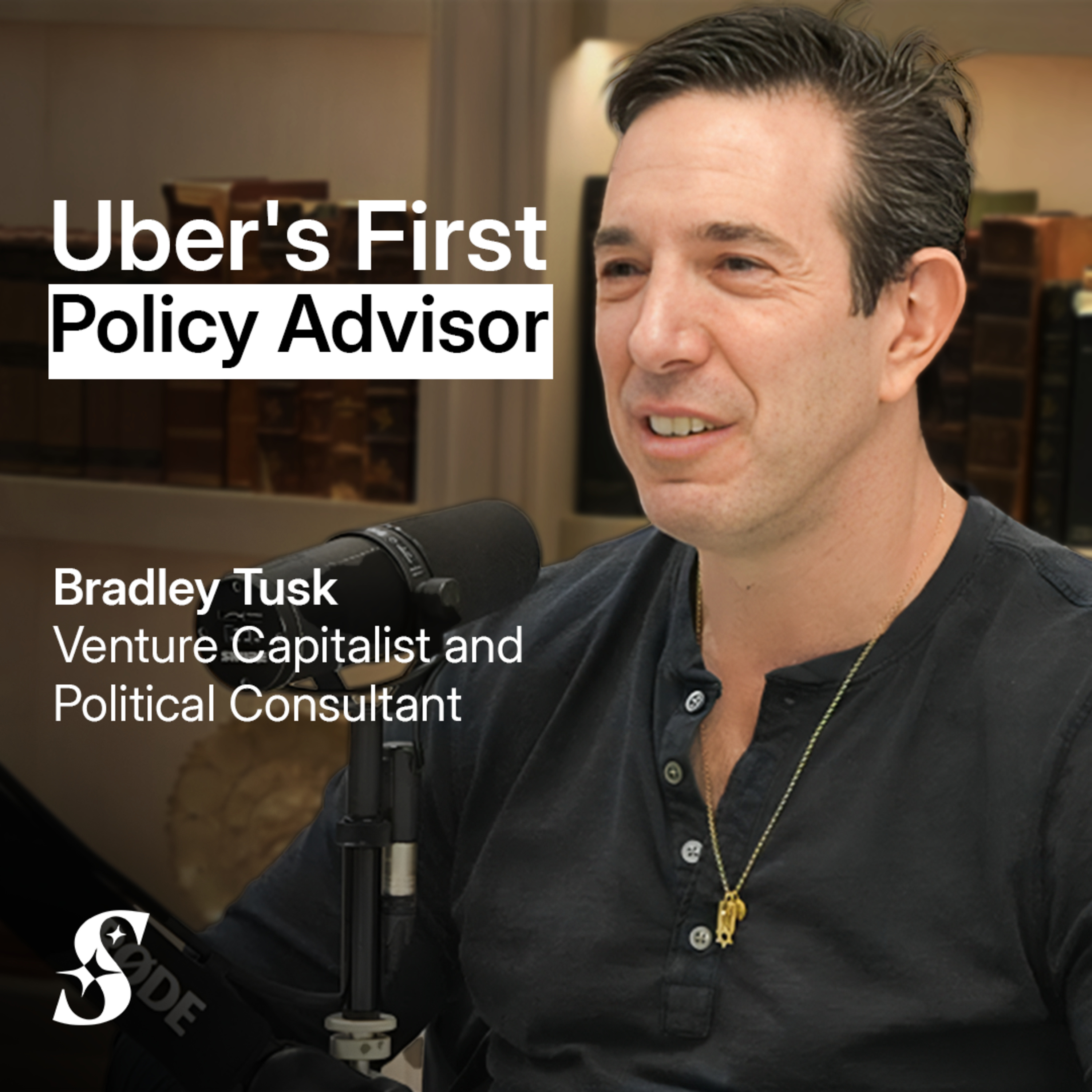
For operators with a unique, high-demand skill like political strategy, taking equity for services is a superior model to traditional VC. It captures 100% of the upside and avoids the distractions and economic dilution of fundraising, LP management, and board responsibilities.
Seed funds can win deals against multistage giants by highlighting the inherent conflict of interest. A seed-only investor is fully aligned with the founder to maximize the Series A valuation, whereas a multistage investor may want a lower price for their own follow-on investment.
