Get your free personalized podcast brief
We scan new podcasts and send you the top 5 insights daily.
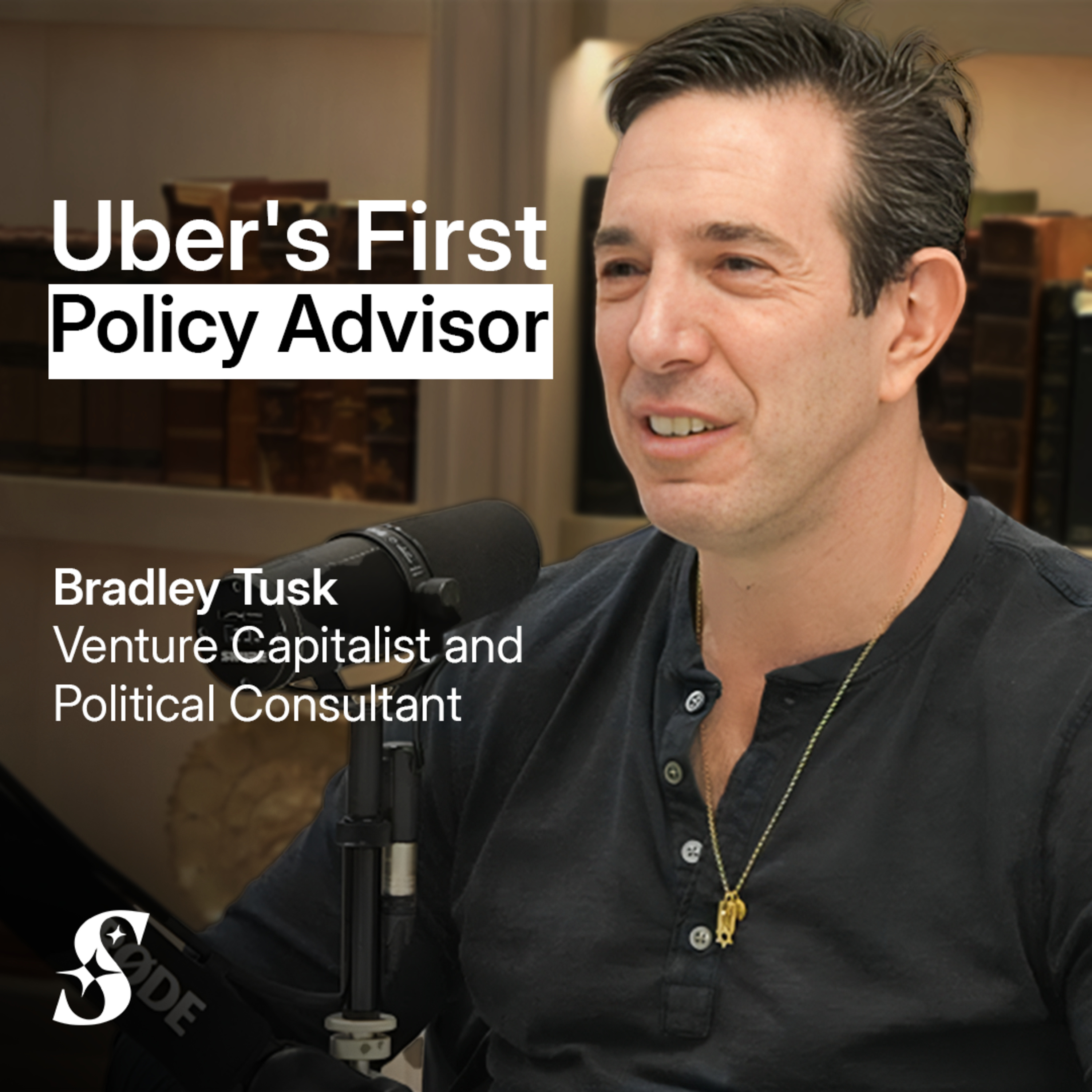
For operators with a unique, high-demand skill like political strategy, taking equity for services is a superior model to traditional VC. It captures 100% of the upside and avoids the distractions and economic dilution of fundraising, LP management, and board responsibilities.
Related Insights
Capital has become commoditized with thousands of PE firms competing. The old model of buying low and selling high with minor tweaks no longer works. True value creation has shifted to hands-on operational improvements that drive long-term growth, a skill many investors lack.
Zac Bookman argues that the high cost of sales, slower growth cycles, and customer preference for product suites make GovTech a better fit for private equity's long-term, operational focus than for venture capital's high-growth model.

The most fulfilling and effective angel investments involve more than capital. Founders benefit most from investors who act as operators, offering hands-on help and staying involved in the business. This approach is more rewarding and can lead to better outcomes than passive check-writing.

Top-performing, founder-led businesses often don't want to sell control. A non-control investment strategy allows access to this exclusive deal flow, tapping into the "founder alpha" from high skin-in-the-game leaders who consistently outperform hired CEOs.

To maximize value creation, young private equity firm Teopo Capital made a strategic decision to hire a full-time operating partner dedicated to portfolio companies before building out a fundraising team. This signals a deep commitment to hands-on operational improvement as their core strategy.

Large, contrarian investments feel like career risk to partners in a traditional VC firm, leading to bureaucracy and diluted conviction. Founder-led firms with small, centralized decision-making teams can operate with more decisiveness, enabling them to make the bold, potentially firm-defining bets that consensus-driven partnerships would avoid.

In private equity, capital is the ultimate commodity. The most effective way to differentiate is through deep, singular industry specialization. This expertise generates inbound deal flow, allows for unique value-add post-acquisition, and creates a memorable brand that resonates with sellers.
A clever strategy for first-time fund managers is to raise smaller checks from a large number of operators and domain experts. While harder to execute, this turns the LP base into a powerful, built-in expert network for diligence and support, converting a fundraising challenge into a strategic asset.
The independent sponsor model allows for longer hold periods, focusing on maximizing a single asset's value. This avoids the fund-driven temptation to sell successful companies prematurely to show a high IRR to LPs for the next fundraising round, capturing more value in the later years of an investment.
Granting a full co-founder 50% equity is a massive, often regrettable, early decision. A better model is to bring on a 'partner' with a smaller, vested equity stake (e.g., 10%). This provides accountability and complementary skills without sacrificing majority ownership and control.
