Get your free personalized podcast brief
We scan new podcasts and send you the top 5 insights daily.
To solve AI's taste problem, Taste Labs engages experts as "design critics." They don't just label good vs. bad; they provide nuanced explanations for *why* something works. This process captures the subtle reasoning of creative direction, a skill AI lacks, and motivates experts by giving them a sense of purpose.

Related Insights
To create a high-quality AI agent of oneself, an expert can't just rely on their public work. They must manually document their nuanced style and judgment into a system of prompts and triggers. This shifts the burden of creating a good AI product from the platform to the creator, asking them to codify their intuition.
When every company has access to the same powerful AI tools, the competitive advantage is no longer budget or technology. The real differentiator becomes human taste, judgment, and the ability to apply a unique point of view to guide the AI, separating average, generic output from exceptional work.

As AI democratizes the technical aspects of content creation, the ability to guide it with unique perspective, craft, and taste becomes the key differentiator. AI is a powerful tool for experts to scale their vision, but it cannot replace the vision itself.

Rather than optimizing solely for performance on standard industry benchmarks, Ideogram focuses on embedding a subjective quality of "taste" into its models. This requires using human designers for evaluation, as they believe current AI is poor at judging aesthetic nuances, giving them a unique creative edge.
As AI commoditizes the 'how' of building products, the most critical human skills become the 'what' and 'why.' Product sense (knowing ingredients for a great product) and product taste (discerning what’s missing) will become far more valuable than process management.

Beyond simply correcting errors, the most valuable human contribution to AI will be providing feedback on subjective qualities like 'taste'. The ability to concisely express what you want to be different is a form of creativity and agency that AI relies on, moving human-in-the-loop from debugger to creative director.

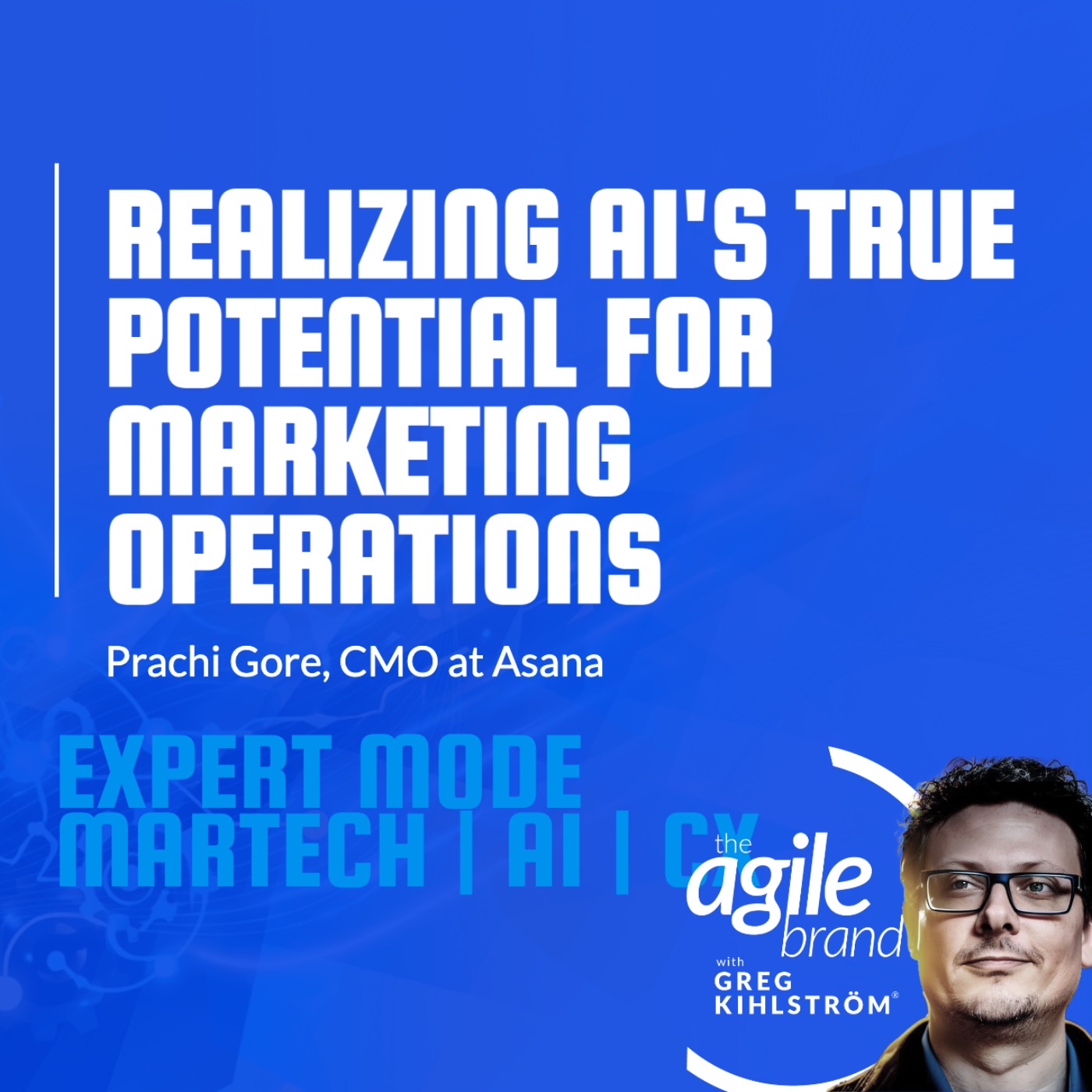
As AI automates orchestration and process management, the primary human contribution shifts to "taste making." This is the unique ability to apply judgment, creativity, and strategic nuance to elevate AI-generated work from average to exceptional, making it a critical new skill.
The core problem with many AI models is "slop"—the endless repetition of low-quality, generic content. Taste Labs aims to solve this by building a community of human experts to provide curated, high-quality data, thereby raising the quality bar for AI-generated output.

True taste isn't just recognizing good design; it's the judgment of when to innovate versus when to adhere to established patterns. This discernment, the ability to zoom in and out, is a uniquely human skill that current AI models cannot replicate.

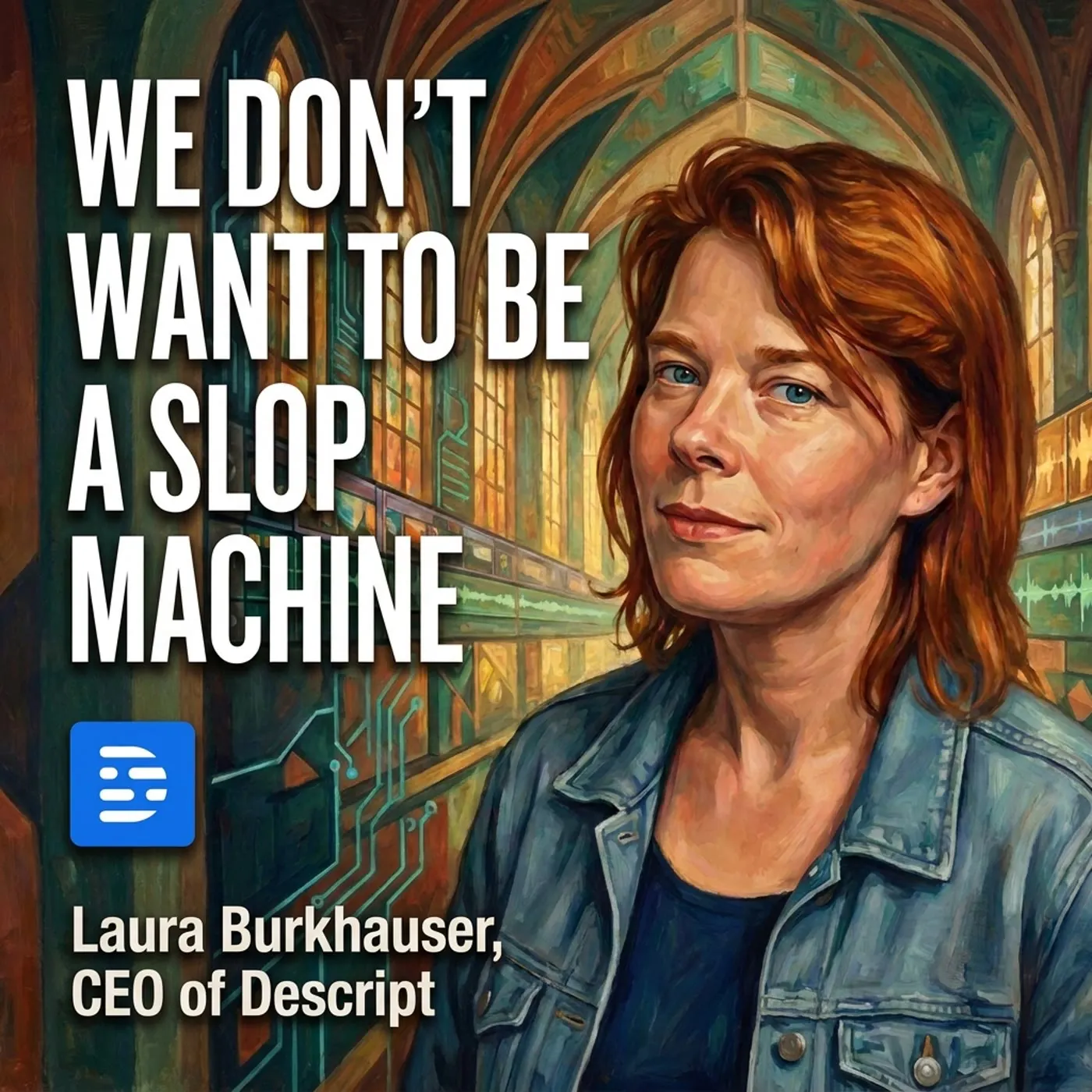
For creative AI tools, quantitative benchmarks are insufficient. Descript relies on 'vibes' and the curated aesthetic judgment of trusted tastemakers to evaluate and select the best generative models, echoing Midjourney's strategy of having a 'thumb on the scale'.