Get your free personalized podcast brief
We scan new podcasts and send you the top 5 insights daily.
As AI commoditizes the 'how' of building products, the most critical human skills become the 'what' and 'why.' Product sense (knowing ingredients for a great product) and product taste (discerning what’s missing) will become far more valuable than process management.

Related Insights
Don't evaluate your team's AI readiness as a standalone capability. True AI strategy requires a deep understanding of customer problems and unique value. Without strong core product competencies, AI adoption is merely tactical, not strategic.
AI automates tactical tasks, shifting the PM's role from process management to de-risking delivery by developing deep customer insights. This allows PMs to spend more time confirming their instincts about customer needs, which engineering teams now demand.

As AI makes software creation faster and cheaper, the market will flood with products. In this environment of abundance, a strong brand, point of view, taste, and high-quality design become the most critical factors for a product to stand out and win customers.

With AI agents automating raw code generation, an engineer's role is evolving beyond pure implementation. To stay valuable, engineers must now cultivate a deep understanding of business context and product taste to know *what* to build and *why*, not just *how*.
Perplexity's VP of Design, Henry Modiset, states that when hiring, he values product intuition above all else. AI can generate options, but the essential, irreplaceable skill for designers is the ability to choose what to build, how it fits the market, and why users will care.

AI's rise means traditional product roles are merging. Instead of identifying as a PM or designer, focus on your core skills (e.g., visual aesthetics, systems thinking) and use AI to fill gaps. This 'builder' mindset, focused on creating end-to-end, is key for future relevance.
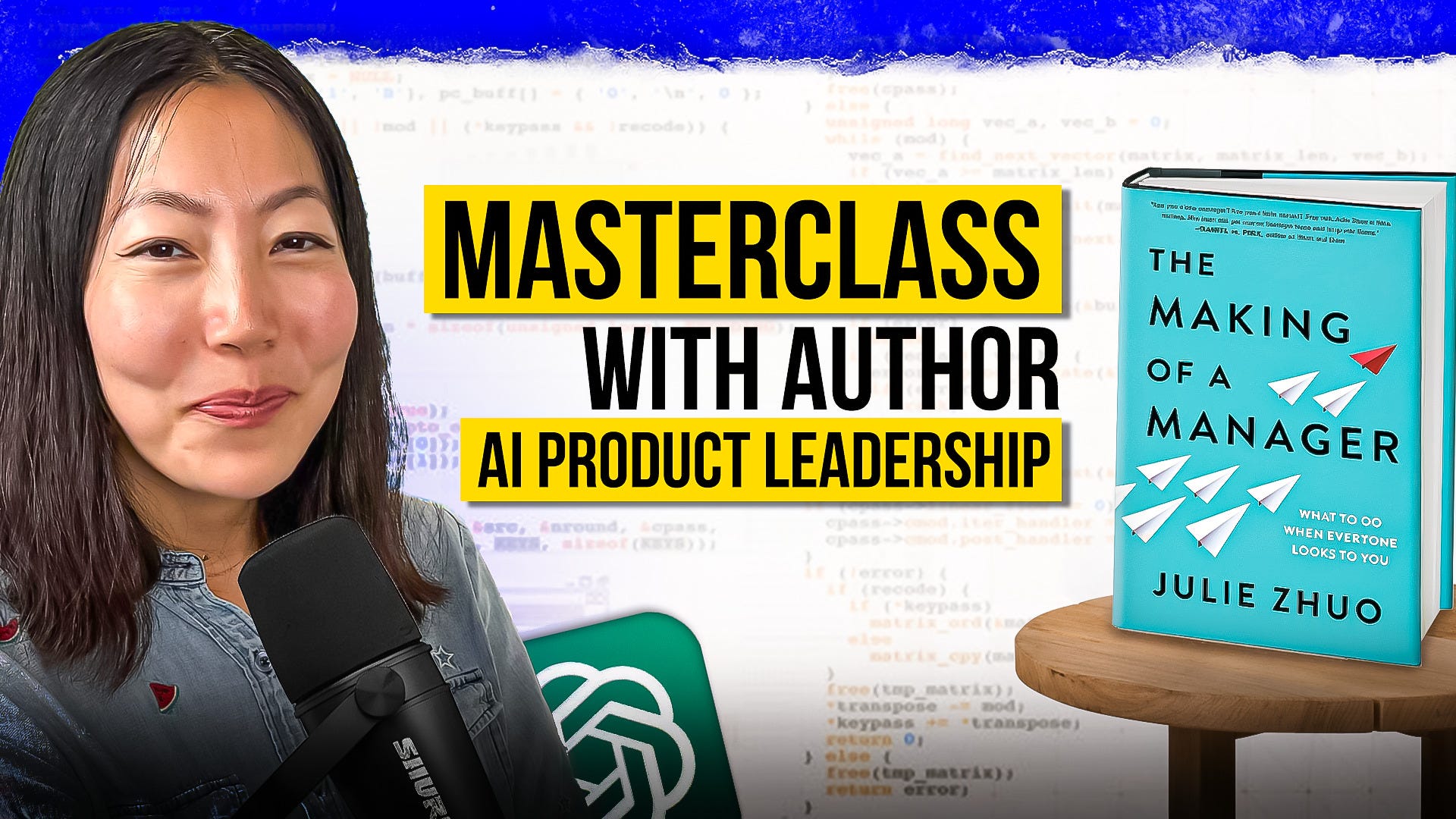
Technical implementation is becoming easier with AI. The critical, and now more valuable, skill is the ability to deeply understand customer needs, communicate effectively, and guide a product to market fit. The focus is shifting from "how to build it" to "what to build and why."

As AI makes it incredibly easy to build products, the market will be flooded with options. The critical, differentiating skill will no longer be technical execution but human judgment: deciding *what* should exist, which features matter, and the right distribution strategy. Synthesizing these elements is where future value lies.

As AI automates synthesis and creation, the product manager's core value shifts from managing the development process to deeply contextualizing all available information (market, customer, strategy) to define the *right* product direction.

Contrary to the belief that distribution is the new moat, the crucial differentiator in AI is talent. Building a truly exceptional AI product is incredibly nuanced and complex, requiring a rare skill set. The scarcity of people who can build off models in an intelligent, tasteful way is the real technological moat, not just access to data or customers.