Get your free personalized podcast brief
We scan new podcasts and send you the top 5 insights daily.
Like a gamer allocating "skill points," Brian Singerman focuses exclusively on his core strength—evaluating founders—while completely ignoring his weaknesses, like reading financials. This strategy of hyper-specialization, rather than aiming for well-roundedness, is how top performers create an insurmountable competitive edge.

Related Insights
Being a well-rounded 'jack of all trades' means you're not great at anything. The highest performers become 'tip of the spear' specialists. They identify the single activity that gives them energy and makes money, focus 80% of their time there, and deliberately ignore or outsource the rest.

Most founders hire senior talent by looking for a lack of weakness. A better approach is to first define the single most critical superpower the role requires. Then, search for a candidate who is a superstar at that one thing, even if they have deficiencies elsewhere.

Instead of multitasking, elite performers identify their single greatest talent (e.g., storytelling, coding, sales) and go all-in on it. They then build a team not just to delegate tasks, but to specifically scale and amplify that one core function, creating massive leverage from a single, focused skill.
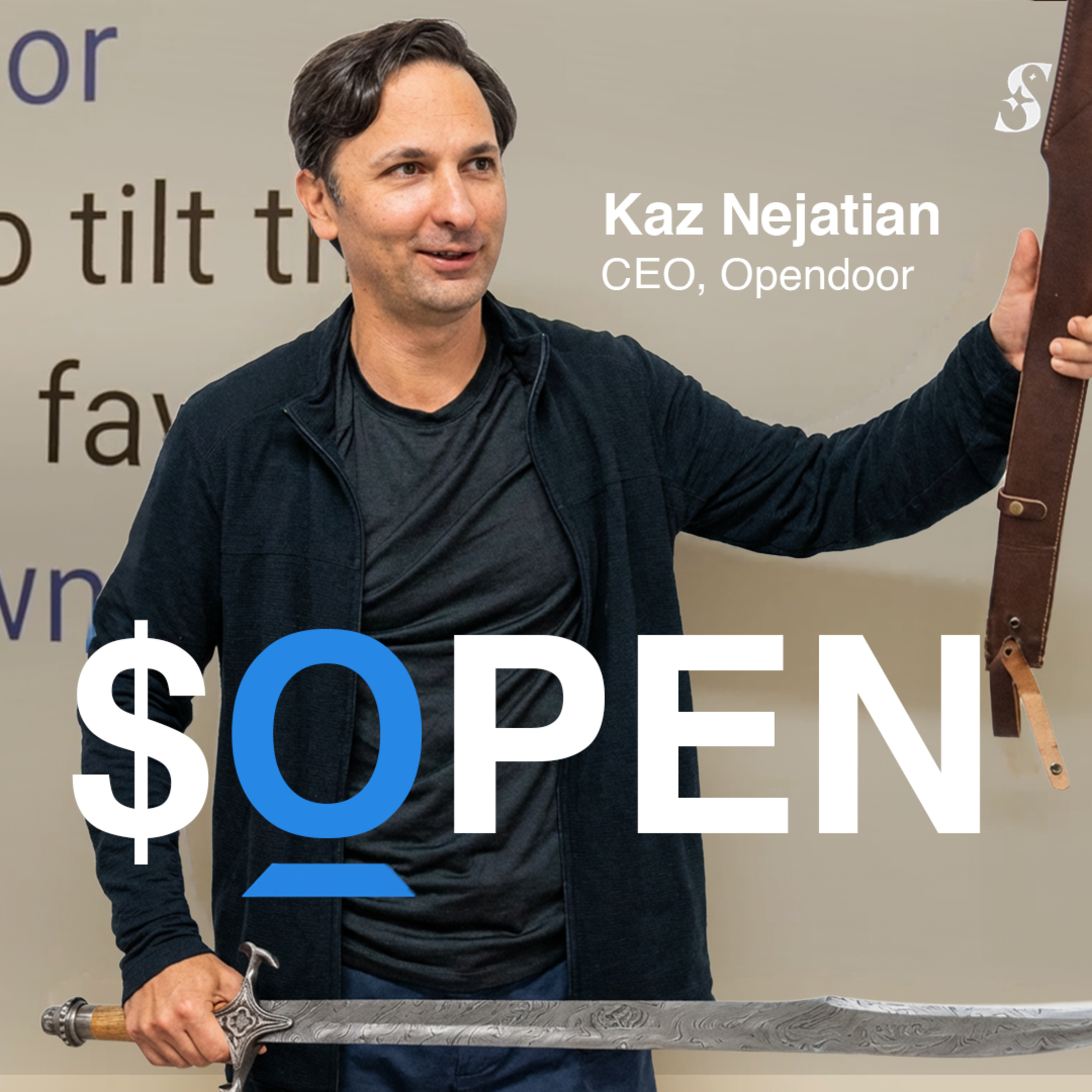
Rather than trying to become a well-rounded, traditional leader, Opendoor's CEO focuses on sharpening his unique "edges." He then surrounds himself with people who are "edgy" in complementary ways, creating a balanced team of focused experts rather than a bland group of generalists.
Ben Horowitz states a common VC mistake is over-indexing on a startup's weaknesses. The better investment is a team that is unequivocally the best at a single, critical thing. Being "pretty good" at everything is a red flag, as greatness in one area is what drives extraordinary outcomes.

The most impactful career advice is to focus on becoming world-class in your innate strengths rather than trying to become mediocre in areas of weakness. It's more effective to elevate a core skill to an 'A' grade than to struggle to raise a weakness from a 'D' to a 'B'.

Brian Singerman identifies as a "strategy gamer," excelling at long-term vision while admitting he is terrible at tactics (short-term execution). This highlights the power of deep specialization in a single mode of thinking to achieve world-class results in investing and other complex domains.
The goal isn't to know everything about an industry, which has diminishing returns and leads to overconfidence. A better edge comes from efficiently understanding the few critical variables that matter most across multiple opportunities, while consciously ignoring immaterial details.

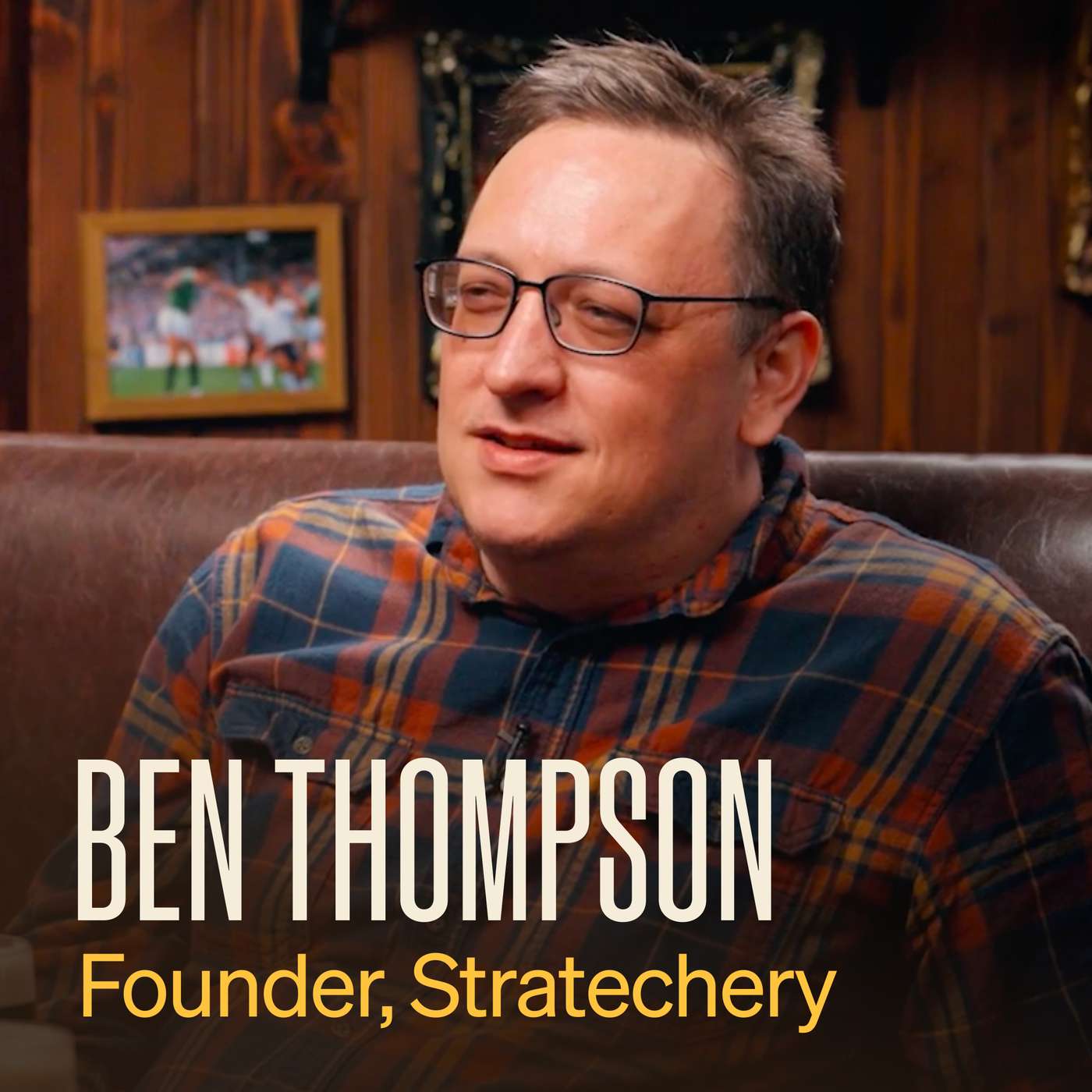
Ben Thompson advises that the key to success isn't fixing weaknesses, but hyper-focusing on strengths to generate exceptional value. Once successful, you can afford to hire people or use systems to manage the areas where you are weak, leading to a more optimized and effective outcome.
Horowitz instructs his team to focus on how exceptionally good a founder is at their core competency. He warns against two common errors: passing on a world-class individual due to fixable weaknesses, and investing in a founder with no glaring flaws but no world-class strengths.
