Get your free personalized podcast brief
We scan new podcasts and send you the top 5 insights daily.
Severe mutual distrust prevents the United States and Iran from negotiating durable, comprehensive treaties. De-escalation can only succeed through negative commitments—agreements specifying what neither side will do, such as waiving full maritime blockade enforcement or halting total strait closures.
Related Insights
The central debate within Iran regarding a deal with the U.S. is not ideological but pragmatic: whether the U.S. can be trusted to deliver on its promises. The current ceasefire serves as a critical test of American credibility, which will determine if negotiations on larger issues are even possible.
In the conflict over the Strait of Hormuz, both the US and Iran have backed themselves into rhetorical corners. A graceful diplomatic exit that allows both sides to save face seems impossible, making a return to active military hostilities a probable outcome driven by political and economic pressures.

The US-Iran conflict cycle demonstrates that when neither side can achieve a decisive military or economic victory, and both are unwilling to compromise, the result is a protracted stalemate. Limited strikes and sanctions inflict pain but fail to force capitulation, leading to an endless loop of low-grade warfare and failed diplomacy.

Iranian control over crucial sea passages like the Strait of Hormuz functions as an economic countermeasure against international sanctions enforcement. Tehran utilizes naval interdiction to signal that countries adhering to American economic blockades will forfeit access to vital global energy shipping corridors.
The dangerous stalemate between the US and Iran continues because each side believes it has greater endurance. Tehran thinks it can hold out for months while the US economy suffers, while Washington believes Iran is on the brink of collapse. This mutual overconfidence prevents urgent, good-faith negotiations.
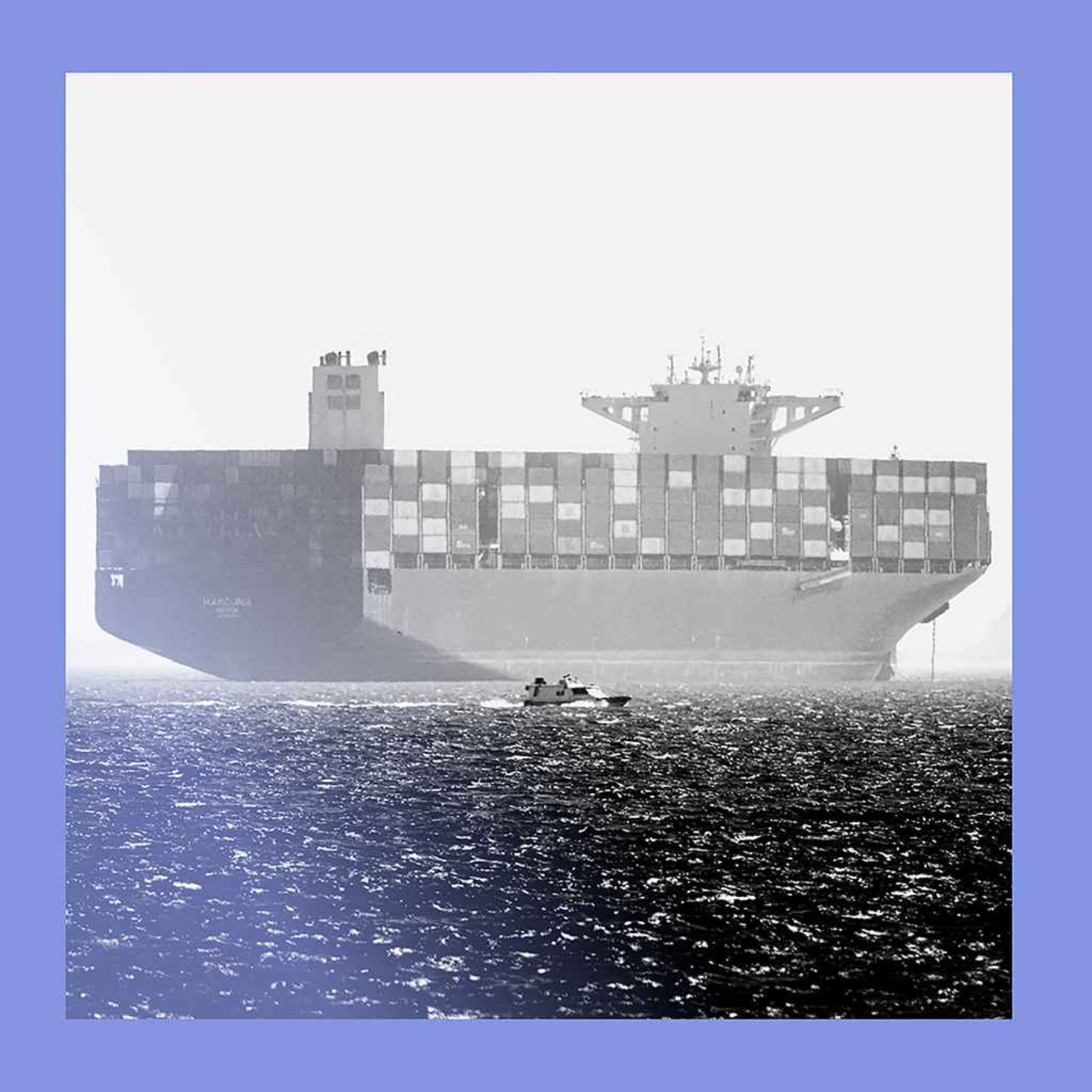
The US naval presence near Iran is technically a 'quarantine,' a precise term for selectively controlling traffic, rather than a 'blockade,' which stops all traffic and is an act of war. This distinction signals a less escalatory posture aimed at creating conditions for negotiation rather than inflicting immediate economic pain.

Previous administrations didn't attack Iran not due to a failure of nerve but because of a sober assessment of the strategic consequences. They understood that while the U.S. military could execute the strikes, Iran could always close the Strait of Hormuz, and there was no viable long-term plan for victory, making restraint the wiser strategic choice.
The temporary US-Iran ceasefire is fundamentally fragile because the core demands are mutually exclusive. Iran insists on its right to enrich uranium, while the US demands it swears off enrichment entirely. This core conflict makes a permanent deal highly improbable, regardless of short-term de-escalation.

Both the United States and Iran find sustaining continuous low-grade conflict less politically costly than accepting painful compromises. Previous efforts like the June MOU collapsed rapidly because incremental bargaining is perceived as weakness or moving goalposts, locking both states into cyclical, unresolved friction.
A probable off-ramp for the US-Iran conflict involves Iran conceding on nuclear enrichment. In return, they could gain leverage and revenue by maintaining control over transit through the Strait of Hormuz.
