Get your free personalized podcast brief
We scan new podcasts and send you the top 5 insights daily.
The US naval presence near Iran is technically a 'quarantine,' a precise term for selectively controlling traffic, rather than a 'blockade,' which stops all traffic and is an act of war. This distinction signals a less escalatory posture aimed at creating conditions for negotiation rather than inflicting immediate economic pain.

Related Insights
The disruption in the Strait of Hormuz isn't a formal closure. Instead, shippers and producers are adopting a "wait and see" approach, halting flows due to reports of damaged ships and skyrocketing insurance premiums, effectively creating a self-imposed blockade.

Fears of a US-Iran conflict disrupting oil flows are overstated. Any potential US military action would likely be designed to be 'surgical' to specifically avoid Iran's oil infrastructure, as the administration's priority is preventing economic shocks and energy price hikes ahead of elections.

The US blockade's impartial enforcement, a requirement of international law, means it will intercept ships from friendly nations like France, Turkey, and Pakistan. This creates significant diplomatic friction and could undermine the strategy by alienating key partners while compounding the global energy crisis.
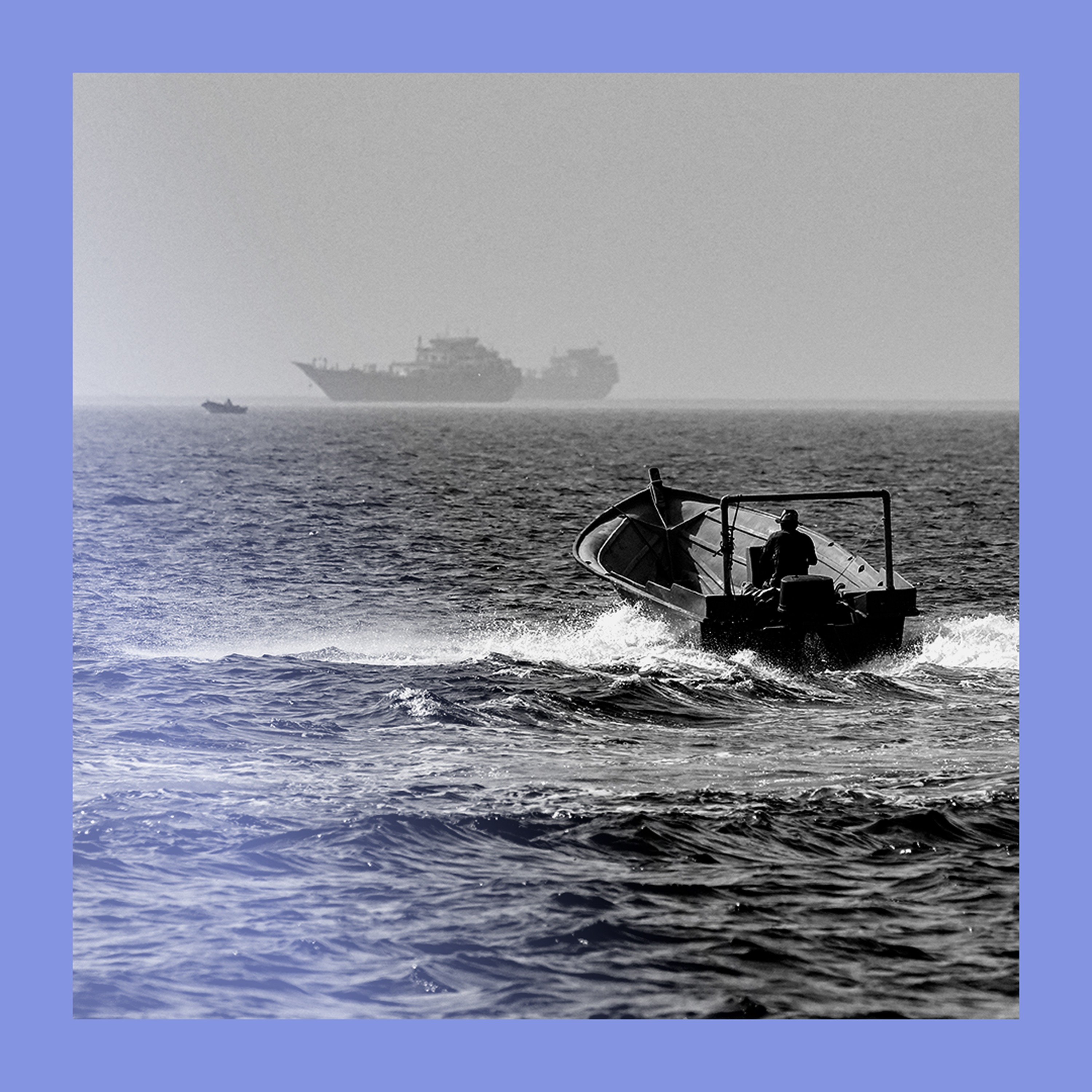
A Singaporean official clarifies that the primary international fear isn't just oil supply, but the precedent of a nation charging tolls on international waters. If Iran's blockade succeeds, it could inspire other countries to create 'tollbooths' worldwide, fundamentally disrupting global free trade.

Iran doesn't need a naval blockade to close the Strait of Hormuz. The mere threat of drone and missile attacks is enough to deter shippers and insurers, creating a "de facto closure." This asymmetrical strategy highlights how psychological warfare can be as effective as direct military action in disrupting global trade.
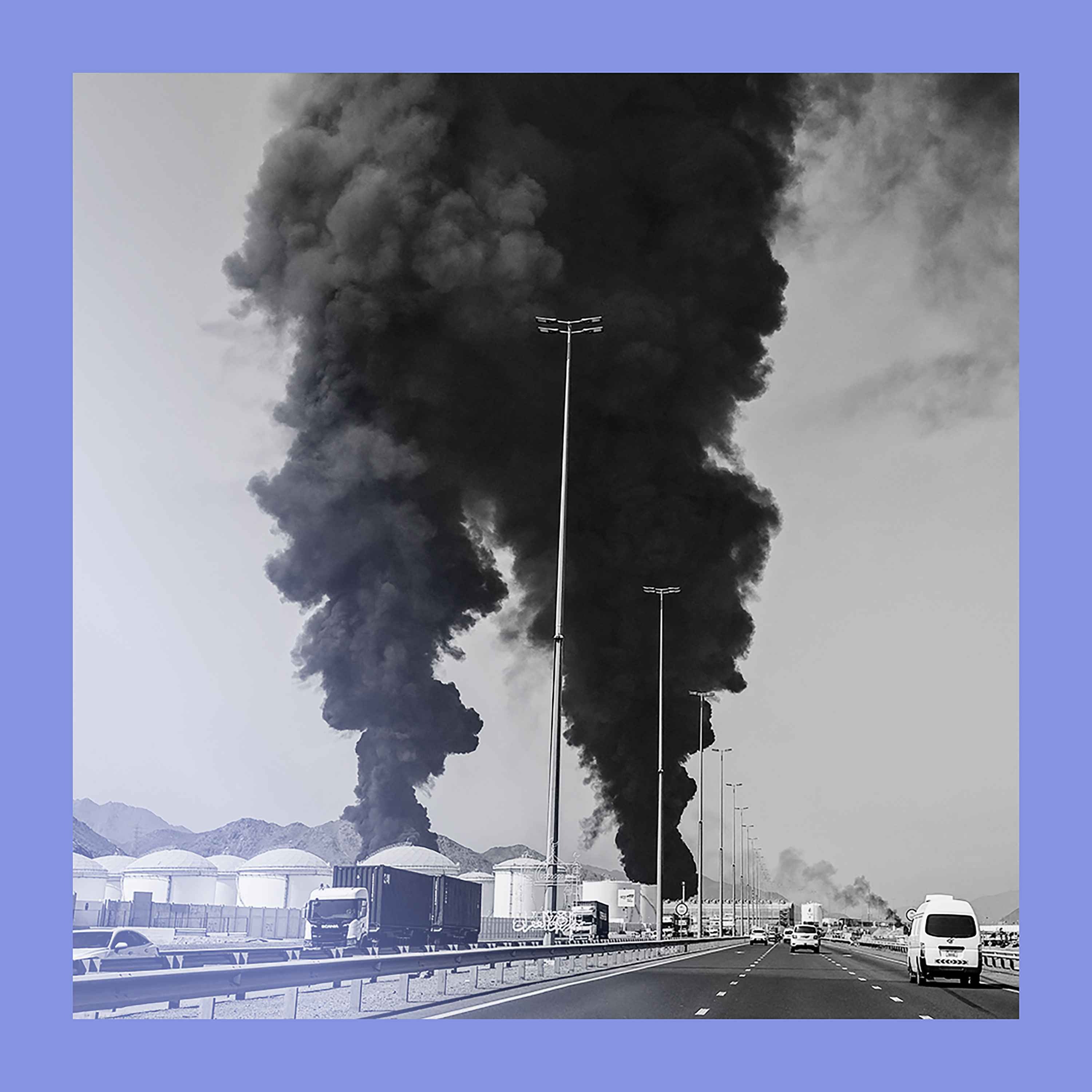
The specific targeting choices in the initial Iran strikes—leadership, navy warships, and military infrastructure—suggest the primary goal is economic control, specifically securing the Strait of Hormuz. Had the true objective been nuclear deterrence, the focus would have been on destroying nuclear facilities, which was not the case.

The critical choke point of the Strait of Hormuz is closed not by military force, but by economics. Commercial shipping requires insurance, which is now either unavailable or prohibitively expensive for the region. Even with naval escorts, ships will not sail without coverage, making this an insurance-driven crisis.

Military strikes against Iranian assets are insufficient for the US to claim victory. The conflict's true endgame hinges on controlling maritime traffic in the Strait of Hormuz, as this economic chokepoint represents Iran's ultimate leverage and prevents a US declaration of success.
The conflict's primary impact on oil is not that supply is offline, but that its transport through the Strait of Hormuz is blocked. This distinction is key to understanding price scenarios, as supply exists but cannot be delivered.

Iran employs inexpensive weapons against shipping in the Strait of Hormuz. This asymmetric strategy avoids direct military confrontation while making the risk too high for insured commercial vessels, effectively closing the strait without a formal blockade.
