Get your free personalized podcast brief
We scan new podcasts and send you the top 5 insights daily.
In authoritarian systems like China's, naming a successor creates an immediate alternative power center, leading to tension. Not naming one, however, risks a chaotic power struggle later. Xi Jinping appears to be choosing the latter risk, consolidating power now at the expense of future stability, a classic 'damned if you do, damned if you don't' scenario for autocratic rulers.

Related Insights
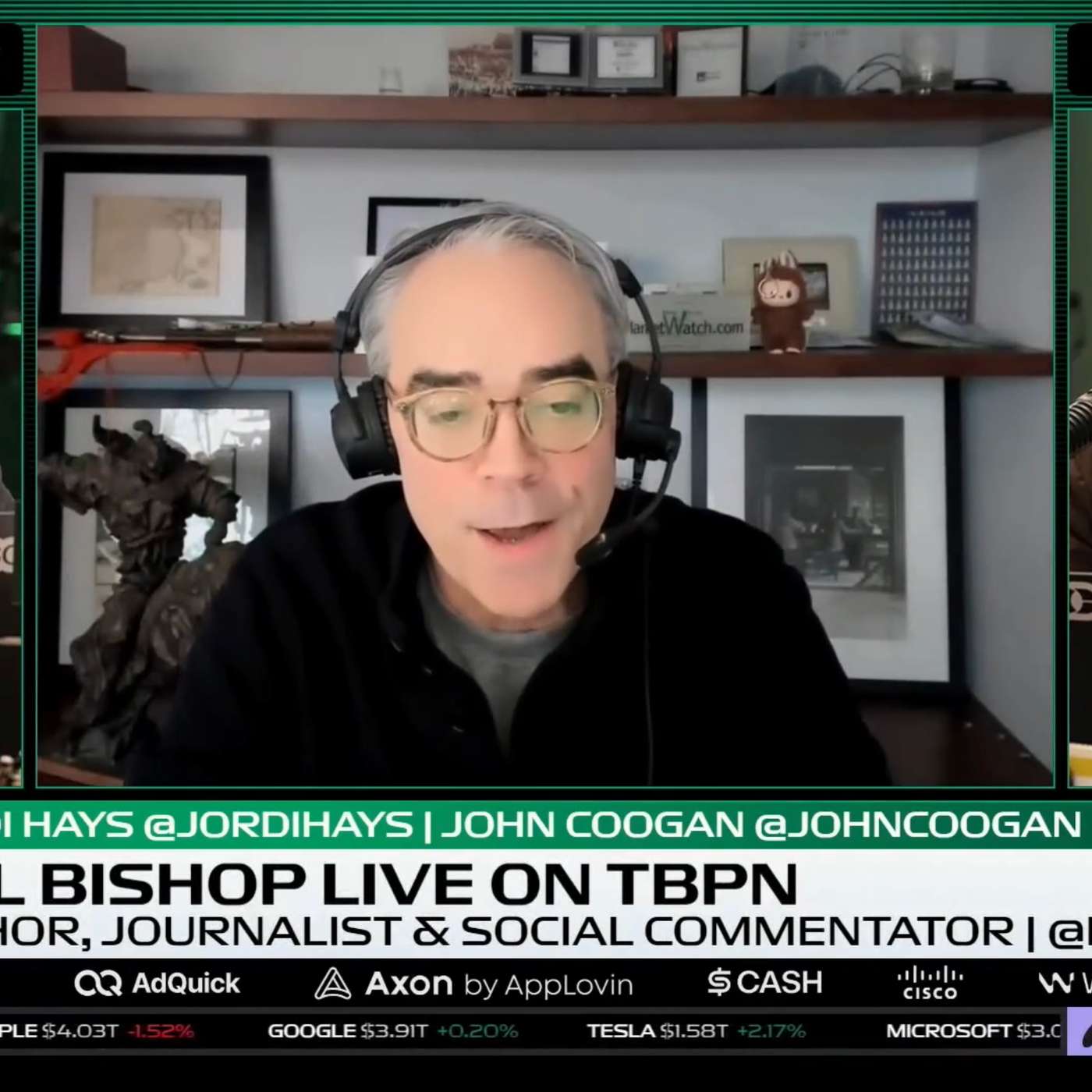
The ongoing purges in China's military are likely more than just power consolidation. Bill Bishop suggests Xi Jinping may be intentionally removing entire generations of senior officers who rose by buying their promotions. This radical "decapitation" aims to clear the way for a younger, more meritocratic officer class.
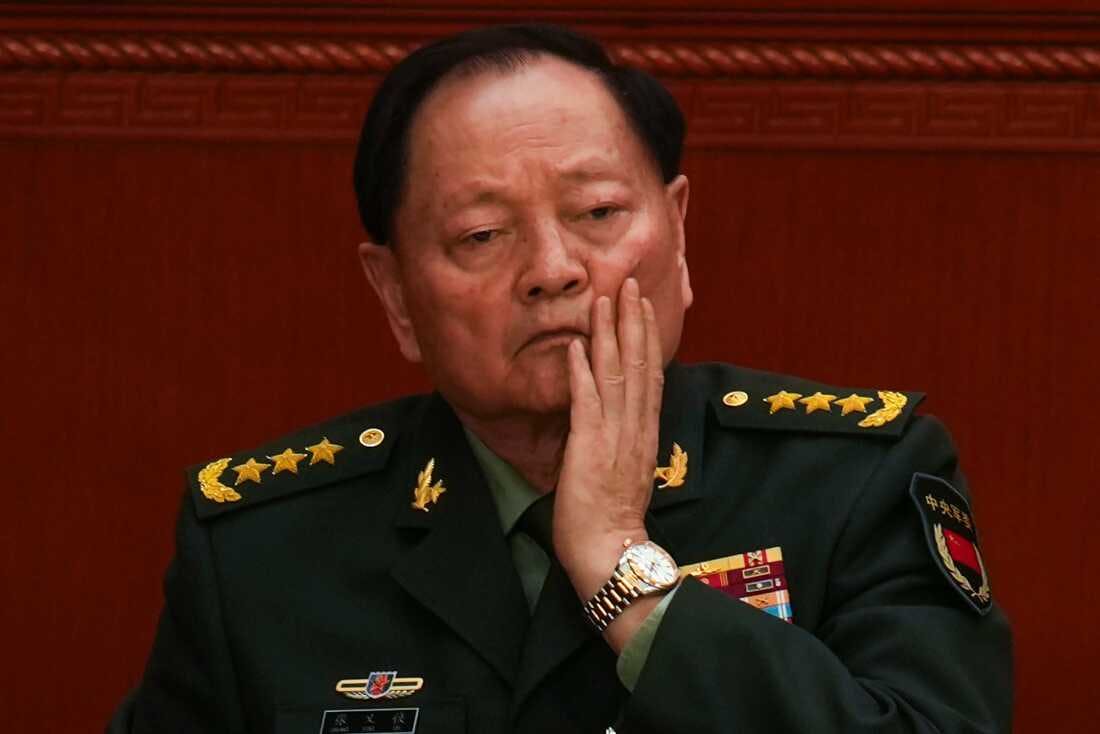
The ousting of a trusted ally like Zhang Yuxia prompts debate on Xi Jinping's motives. It could signal a descent into paranoia, where he suspects everyone. Alternatively, it may be a calculated act of ruthlessness, proving even close allies are disposable once their utility expires.
Analysts monitoring Xi Jinping's succession plan should ignore most political appointments and focus on a specific indicator: the placement of a second civilian leader onto the Central Military Commission. This body, which controls the armed forces, has only one civilian member—Xi himself. A second civilian appointment would be the concrete signal that a successor is being prepared.
As a 'princeling,' Xi Jinping possesses an intuitive, inherited understanding of the Communist Party's hidden power networks. This allows him to surgically purge high-level opponents without getting 'zapped,' a feat his predecessors couldn't manage.

The era following Xi Jinping's rule could be more dangerous than his tenure itself. A successor, potentially from a military junta, might launch a conflict—mirroring Deng Xiaoping's 1979 Vietnam War—to assert their legitimacy and consolidate power over the party and the PLA, creating a highly volatile situation.

The purge's focus is on generals who "trampled on the chairman responsibility system," indicating a crackdown on challenges to Xi's direct, supreme command over the military, rather than a standard anti-graft campaign.
The recent purges have wiped out an entire generational cohort of PLA leaders, not just individuals. This creates a significant succession crisis and leadership vacuum, forcing Xi to promote a new, untested generation of officers with whom he has no established trust.
High-level purges often result not from overt scheming, but from officials unintentionally misinterpreting the leader's opaque desires. Like Xi's own father, loyalists can accidentally get "sideways of the boss," a far more common and dangerous risk than outright treason.
Recent purges in China's military mark a seismic shift as Xi targets his own appointees and longtime allies, not just rival factions. The removal of figures like Zhang Yuxia signals either Xi's ultimate ruthlessness or a potential shift toward paranoia.
Turkey's President Erdogan may be grooming his son as a successor, but his own party's voters could reject a dynastic handover. These voters value the democratic legitimacy Erdogan earned by winning elections—a legitimacy his son lacks. This creates a paradox where an autocrat's power base opposes treating government as a family business.