Get your free personalized podcast brief
We scan new podcasts and send you the top 5 insights daily.
The era following Xi Jinping's rule could be more dangerous than his tenure itself. A successor, potentially from a military junta, might launch a conflict—mirroring Deng Xiaoping's 1979 Vietnam War—to assert their legitimacy and consolidate power over the party and the PLA, creating a highly volatile situation.

Related Insights
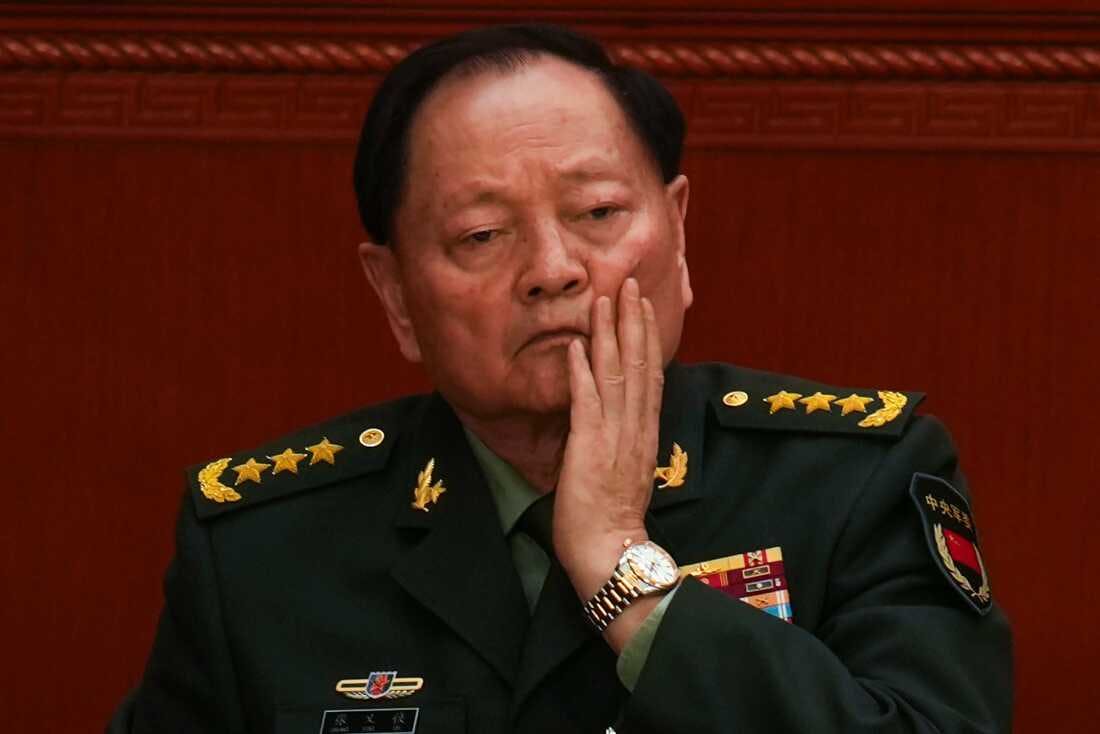
The ongoing purges in China's military are likely more than just power consolidation. Bill Bishop suggests Xi Jinping may be intentionally removing entire generations of senior officers who rose by buying their promotions. This radical "decapitation" aims to clear the way for a younger, more meritocratic officer class.
By removing his most experienced commanders, Xi has reduced China's short-term operational readiness for a Taiwan conflict. However, the new generation of promoted generals could be more loyalist "wolf warriors," increasing long-term belligerence.
The dynamic between a rising power (China) and a ruling one (the U.S.) fits the historical pattern of the "Thucydides' trap." In 12 of the last 16 instances of this scenario, the confrontation has ended in open war, suggesting that a peaceful resolution is the exception, not the rule.

The inability for Western governments and analysts to get reliable information or high-level contacts within China's military and political elite is the fundamental risk. This opacity makes predicting China's actions, especially regarding military decisions, nearly impossible.
The unprecedented removal of top generals, including longtime confidants, suggests Xi feels his grip on the military is fragile. This is seen as a sign of weakness and concern over the loyalty and combat readiness of his top commanders.
A potential invasion of Taiwan by China is less likely due to internal military purges and dissent than to US military posturing. An authoritarian leader like Xi Jinping cannot launch a complex invasion if he doesn't trust his own generals, making domestic instability a powerful, albeit unintentional, deterrent.

Citing a historical pattern, the speaker notes that 12 out of the last 16 times a rising power (like China) has confronted a ruling power (like the US), the result has been war. This 'Thucydides Trap' suggests a high statistical probability of military conflict.

Xi Jinping's widespread purges, aimed at consolidating power and rooting out corruption, have hollowed out the People's Liberation Army's experienced leadership. This creates a significant capabilities gap and operational readiness problem, potentially jeopardizing the military's ability to meet Xi's own 2027 deadline for being capable of invading Taiwan.
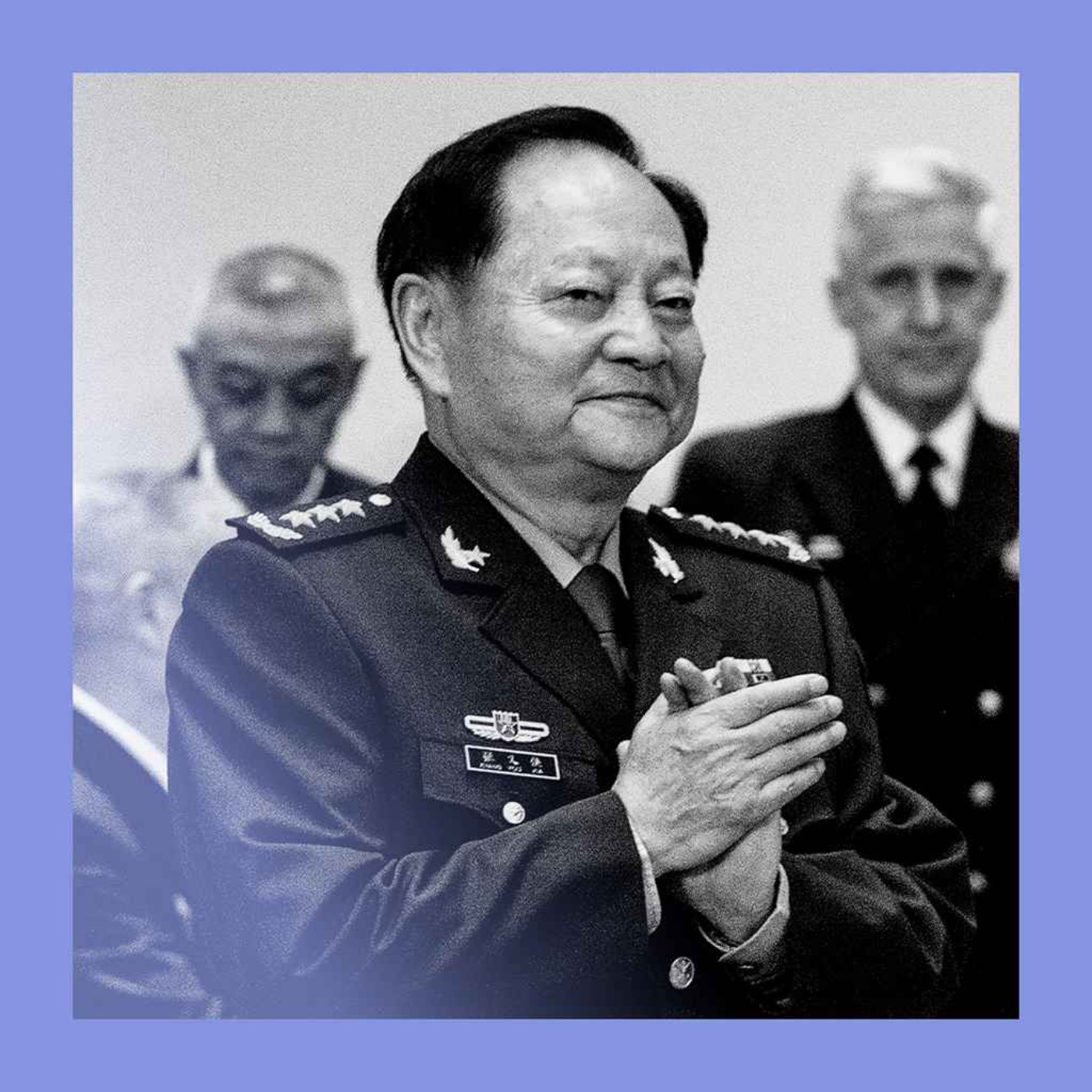
The official narrative of China's top general leaking nuclear secrets is likely a cover for a deeper power struggle between President Xi and the military establishment. The ongoing purges are a sign of internal conflict for control, making an invasion of Taiwan less likely due to a destabilized command structure.

The recent purges have wiped out an entire generational cohort of PLA leaders, not just individuals. This creates a significant succession crisis and leadership vacuum, forcing Xi to promote a new, untested generation of officers with whom he has no established trust.