Get your free personalized podcast brief
We scan new podcasts and send you the top 5 insights daily.
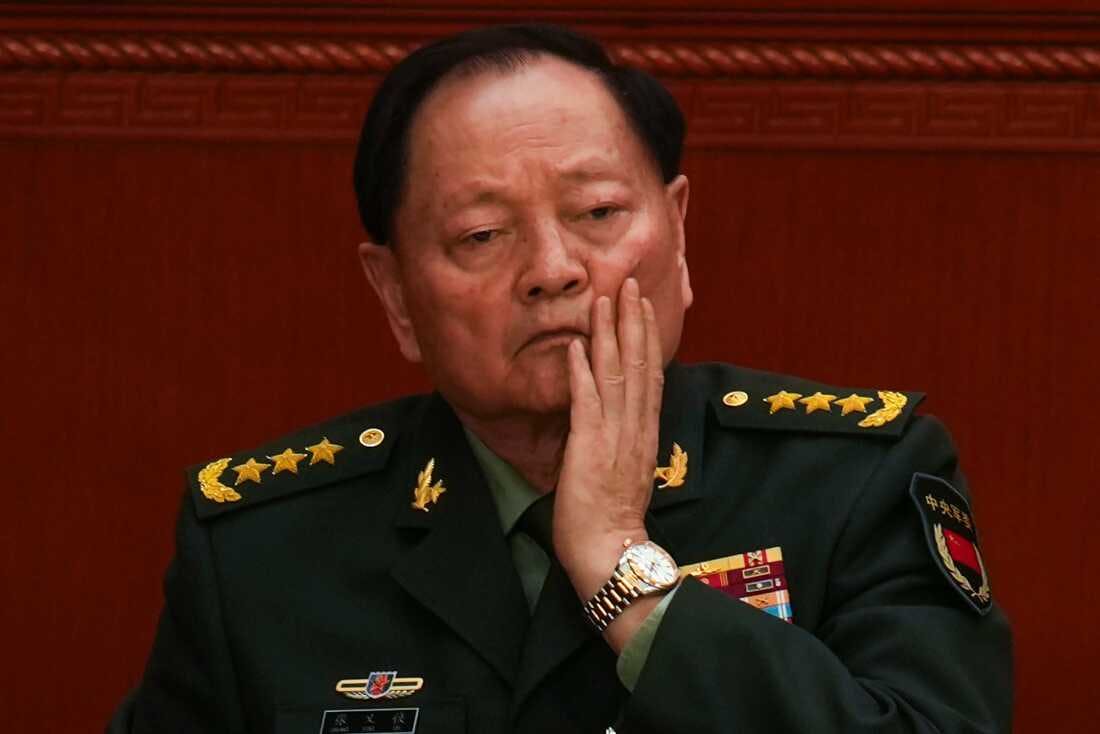
The ousting of a trusted ally like Zhang Yuxia prompts debate on Xi Jinping's motives. It could signal a descent into paranoia, where he suspects everyone. Alternatively, it may be a calculated act of ruthlessness, proving even close allies are disposable once their utility expires.
Related Insights
The unprecedented removal of top generals, including longtime confidants, suggests Xi feels his grip on the military is fragile. This is seen as a sign of weakness and concern over the loyalty and combat readiness of his top commanders.
Xi's purge of Zhang Yuxia, a close ally kept past retirement age, signals a new phase. He has moved from eliminating enemies and associates to being "pitiless with his friends," indicating a dangerous consolidation of power or growing paranoia.
Directly attacking a charismatic leader can backfire due to personal loyalty. A more effective political strategy is to target their key advisors. Removing controversial figures can weaken the leader's power structure, as it is easier to build consensus against "bad actors" than the principal.

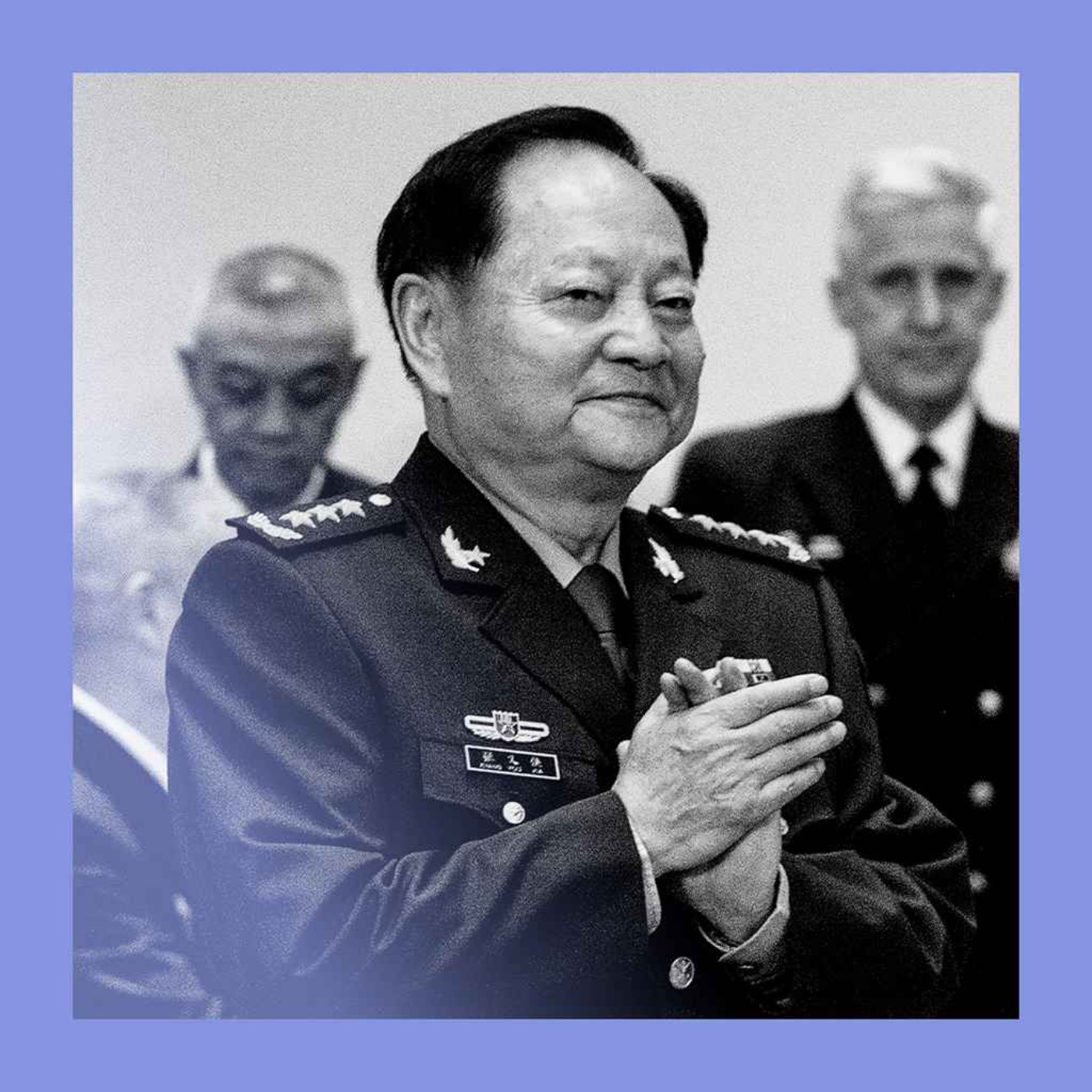
The investigation of General Zhang Youxia, a childhood friend and trusted ally of Xi Jinping, suggests the military purge extends beyond anti-corruption efforts. It points to a deeper concern with consolidating absolute authority, where even long-standing, powerful allies are seen as potential political threats that must be neutralized.
The purge's focus is on generals who "trampled on the chairman responsibility system," indicating a crackdown on challenges to Xi's direct, supreme command over the military, rather than a standard anti-graft campaign.
The official narrative of China's top general leaking nuclear secrets is likely a cover for a deeper power struggle between President Xi and the military establishment. The ongoing purges are a sign of internal conflict for control, making an invasion of Taiwan less likely due to a destabilized command structure.

The shocking accusation that General Zhang Yuxia sold nuclear secrets to the U.S. is likely a sanctioned leak. This tactic serves to politically annihilate the individual beyond a simple corruption charge, signaling to the entire system that no one is safe.
The recent purges have wiped out an entire generational cohort of PLA leaders, not just individuals. This creates a significant succession crisis and leadership vacuum, forcing Xi to promote a new, untested generation of officers with whom he has no established trust.
High-level purges often result not from overt scheming, but from officials unintentionally misinterpreting the leader's opaque desires. Like Xi's own father, loyalists can accidentally get "sideways of the boss," a far more common and dangerous risk than outright treason.
Widespread corruption within the PLA means nearly every senior officer has a usable 'dossier.' This provides Xi Jinping with a permanent, justifiable pretext to eliminate anyone for political reasons, with corruption charges acting as the public-facing justification.