Get your free personalized podcast brief
We scan new podcasts and send you the top 5 insights daily.
Colt Holdings' Will Mayer explains that a core tenet of building a cult brand is defining an enemy. This nemesis—whether a competitor like IBM for Apple or a concept like conformity—creates an 'in-group vs. out-group' dynamic that strengthens community identity.

Related Insights
Nike founder Phil Knight intentionally cultivated contempt for the market leader, Adidas. He framed them as an arrogant monster, not just for personal motivation, but to create a powerful "us versus them" narrative that drove his entire team with a singular competitive focus.

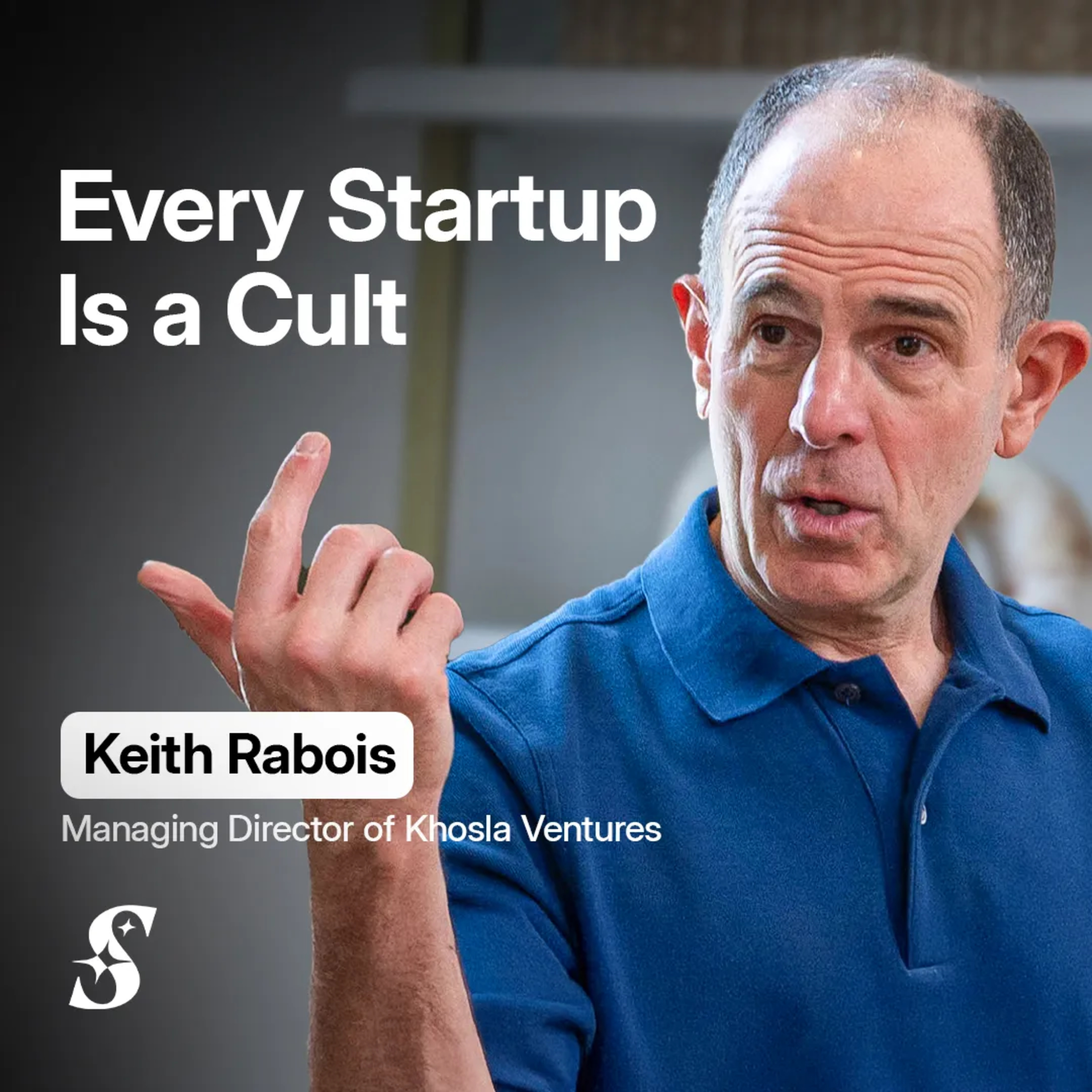
A startup's 'cult' is its unique set of beliefs about the world, its market, and its people. This shared, differentiated worldview is essential for unity and focus. However, to be a successful company rather than just a cult, this unique set of beliefs must be correct.
Building a strong brand requires more than defining what you stand for; it requires clarifying what you stand against. This creates a sharp identity that resonates deeply with a core audience, even if it alienates others. Trying to be a brand for everybody results in a brand for nobody.

Gymshark's CMO explains their strategy is to be hyper-focused on their core gym audience, even if it alienates others. Quoting an article, he says the world needs more brands "willing to have enemies." This mindset prevents brand dilution and strengthens their identity by not trying to be everything to everyone.

Unlike previous eras focused on broad, mass-market appeal, today's winning marketing strategy builds and mobilizes deep, committed tribes of followers. This 'cult and tribe' approach, exemplified by Elon Musk, secures capital, customers, and talent by fostering a phalanx of true believers.

The pinnacle of branding is achieving "tribal belonging." At this stage, customers don't just consume the brand; they co-own it and become its most powerful advocates. The brand's community can sustain its power even in the absence of the core product.

In a market saturated with "we're for everyone" messaging, brands must adopt a more exclusive and provocative stance to stand out. True brand love requires polarity; if nobody dislikes your brand, it's unlikely anyone truly loves it.

A brand that tries to please everyone is memorable to no one. To build a truly strong brand, you must be willing to be disliked by some. Intentionally defining who your customer is *not* and creating polarizing content sharpens your identity, fostering a passionate community among those who love what you stand for.

To foster deep loyalty, media brands should cultivate a sense of belonging that transcends mere content consumption. The goal is to make readers feel like they are part of an exclusive club or movement—an identity they are proud to associate with and share publicly.

Every compelling story needs conflict, which requires an enemy. Companies can define their enemy in one of three ways: direct competitors (e.g., other vodkas), competing approaches (e.g., cycling vs. the tube), or beliefs you stand against (e.g., humans are terrible drivers). This ABC framework (Approaches, Beliefs, Competitors) simplifies narrative creation.
