Get your free personalized podcast brief
We scan new podcasts and send you the top 5 insights daily.
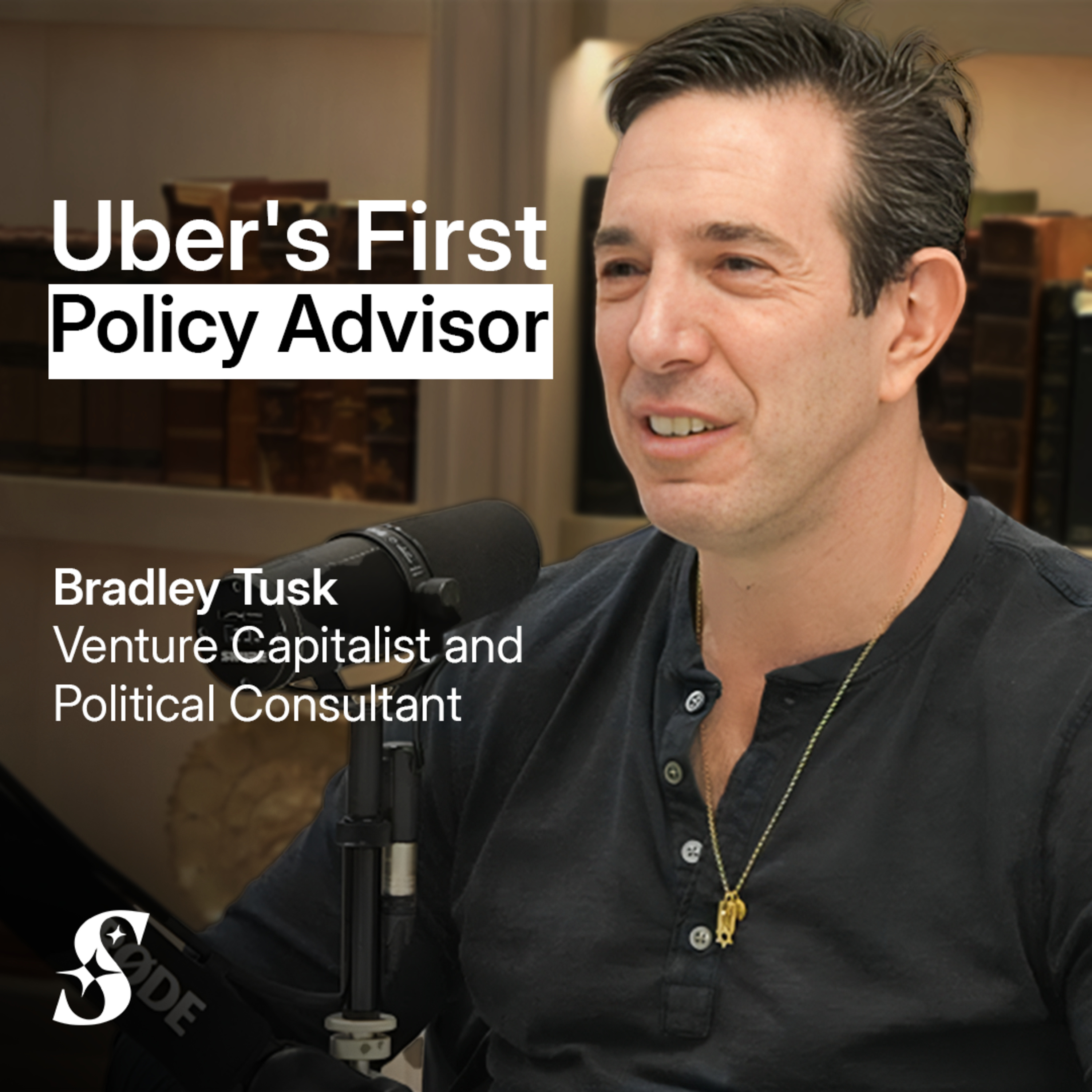
Instead of relying on unpredictable subscription revenue, intellectuals and academics should leverage their skills for high-value consulting with tech startups. This creates a sustainable economic base to pursue long-term, independent research and writing, mirroring historical patronage models.

Related Insights
Journalists known for breaking a few big stories a year at established outlets find the independent model challenging. A subscription business demands consistent value, but the time required for sales, marketing, and administration detracts from the deep-dive reporting needed for major scoops, creating a difficult trade-off.

Despite the lucrative potential, best-selling author Morgan Housel intentionally avoids a subscription model. He believes the pressure to consistently produce content for paying subscribers ("feed the ducks because they're quacking") creates a dangerous dynamic, forcing creators to publish even when they lack inspiration, which harms the work's quality.
By achieving financial independence, creators can treat passion projects as pure art, free from the pressure of immediate ROI. This artistic integrity often becomes its own best marketing, attracting bigger opportunities and paradoxically leading to greater commercial success down the line.

The new wave of entrepreneurship isn't about scaling large companies. It's about solopreneurs acting as "gig entrepreneurs" who master and customize a suite of AI tools to deliver bespoke, high-value outcomes for clients, effectively replacing the work of entire small agencies.

A16Z's Justine Moore observes that in the nascent AI creator economy, the most reliable monetization strategy isn't ad revenue or brand deals. Instead, creators are finding success by teaching others how to use the complex new tools, selling courses and prompt guides to a massive audience eager to learn the craft.
Instead of incurring debt for a traditional education, aspiring tech entrepreneurs can launch an AI automation agency. This model allows them to learn cutting-edge skills by solving real-world client problems, effectively getting paid for their own professional development.

A business school professor's expertise is validated by the free market, not just the university. If they are truly skilled, they should command a seven-figure income from external opportunities like books, speaking, and consulting. Their university salary should only represent a small fraction (15-20%) of their total earnings.
Facing challenges with consumer subscription models in Africa, Big Cabal Media created "Tech Cabal Insights," a research and data division. This unit leverages the publication's deep industry knowledge to offer consulting, reports, and data to corporate clients, creating a high-margin, enterprise-based revenue stream that bypasses consumer payment friction.

The modern creator economy prioritizes immediate monetization via ads or subscriptions. The older model of patronage—direct financial support from an individual without expectation of direct ROI—can liberate creators from chasing metrics, enabling them to focus on producing high-quality, meaningful work.
For operators with a unique, high-demand skill like political strategy, taking equity for services is a superior model to traditional VC. It captures 100% of the upside and avoids the distractions and economic dilution of fundraising, LP management, and board responsibilities.