Get your free personalized podcast brief
We scan new podcasts and send you the top 5 insights daily.
Lighthizer clarifies that the surprise in China's critical mineral retaliation wasn't that it *would* use trade as a weapon. The real shock was discovering the sheer significance and effectiveness of the strategic choke points it had systematically built over decades, revealing a deeper-than-expected U.S. economic and military vulnerability.

Related Insights
According to long-time China analyst James Kynge, a recent U.S.-China summit marked a historic reversal. For the first time, the U.S. president was in a position of asking for concessions, not demanding them, driven by China's leverage over critical mineral exports essential for U.S. tech and weapons.

While the US focuses on quarterly returns, China has spent decades investing in and controlling the supply chain for critical minerals essential for technology and defense, securing long-term leverage.

The strategic competition with China is often viewed through a high-tech military lens, but its true power lies in dominating the low-tech supply chain. China can cripple other economies by simply withholding basic components like nuts, bolts, and screws, proving that industrial basics are a key geopolitical weapon.

China demonstrated its significant leverage over the U.S. by quickly pressuring the Trump administration through a partial embargo on rare earth metals. This showcased a powerful non-tariff weapon rooted in its control of critical mineral supply chains, which are also vital for defense applications.

While headlines focus on advanced chips, China’s real leverage comes from its strategic control over less glamorous but essential upstream inputs like rare earths and magnets. It has even banned the export of magnet-making technology, creating critical, hard-to-solve bottlenecks for Western manufacturing.

Unlike the first trade war, where Beijing was caught flat-footed, it entered the second with a prepared policy plan and emotional resolve. China developed a toolkit of retaliatory measures, such as the rare earth card, and seized the initiative rather than simply reacting to U.S. actions.
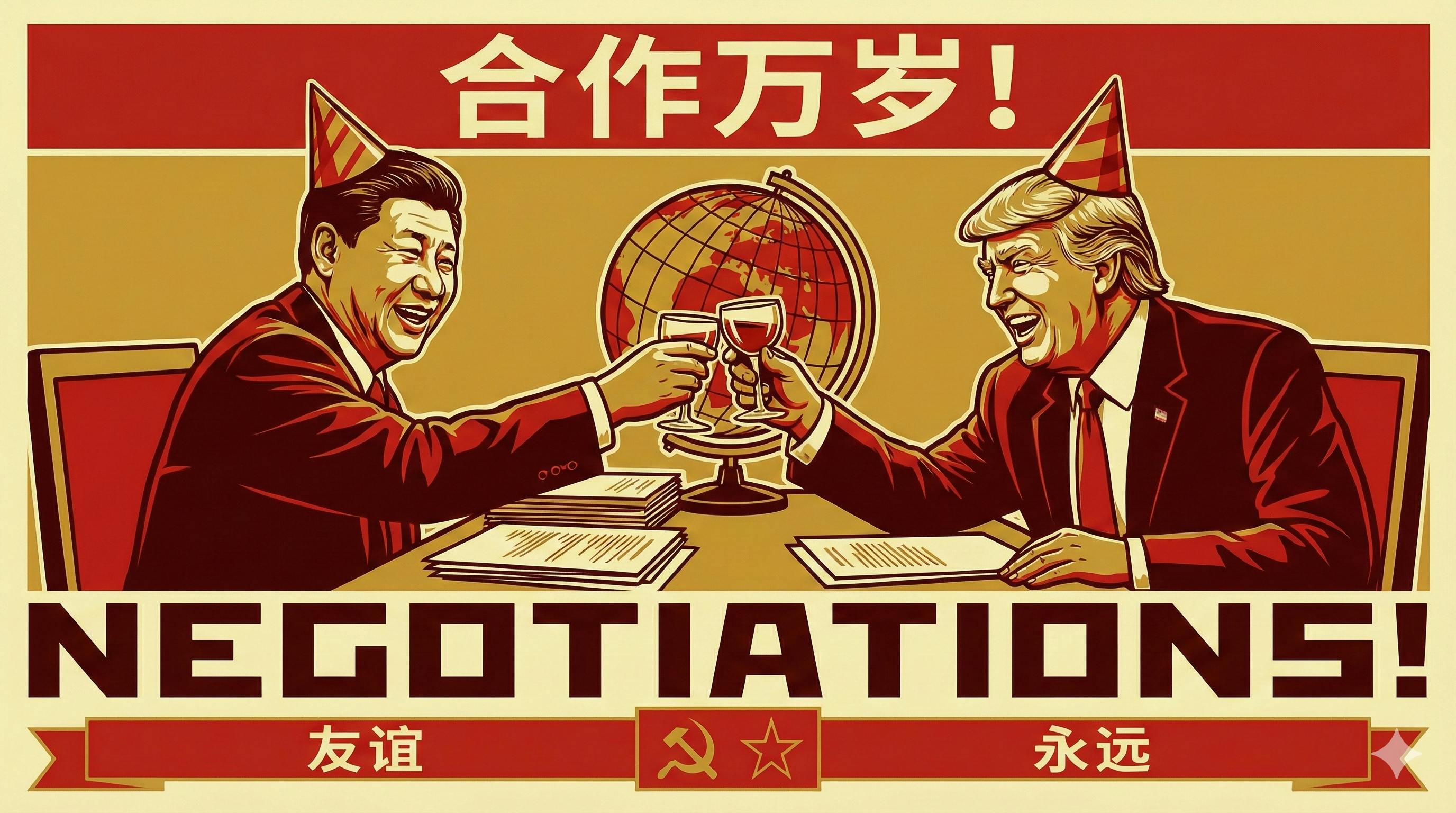
A recent showdown demonstrated China's new economic leverage. After the U.S. imposed heavy tariffs, China retaliated by threatening to restrict exports of critical minerals essential for U.S. tech and defense industries. This move successfully forced the White House to back down and significantly lower the tariffs, showcasing a shift in economic power.
China's dominance in rare earth and critical mineral supplies, which are vital for US weapons and tech manufacturing, gave President Xi a strategic advantage over President Trump in their recent summit. This economic chokehold shifted the traditional power dynamic between the two nations.
China's global dominance isn't in owning mines, but in controlling the midstream refining and smelting processes. This creates a critical choke point for the West's supply of essential materials for defense, AI, and electrification, as they control 50-98% of processing capacity for key metals.

China is no longer just mirroring US trade restrictions in a tit-for-tat manner. It is now offensively mapping its own supply chains to identify and control global choke points, proactively weaponizing its dominance in critical materials and technologies to exert geopolitical pressure.
