Get your free personalized podcast brief
We scan new podcasts and send you the top 5 insights daily.
Despite a wave of new AI-powered browsers from companies like OpenAI, nearly all are built on Google's Chromium engine. This stifles deep innovation and competition at the web's foundational layer, creating a monoculture with an illusion of choice.

Related Insights
Google's strategy of integrating its AI, Gemini, directly into its widely-used Chrome browser gives it a massive distribution advantage over standalone tools like ChatGPT. By making AI a seamless part of the user's existing workflow, Google can make its tool the default choice, which marketers must optimize for.

Google's competitive advantage in AI is its vertical integration. By controlling the entire stack from custom TPUs and foundational models (Gemini) to IDEs (AI Studio) and user applications (Workspace), it creates a deeply integrated, cost-effective, and convenient ecosystem that is difficult to replicate.

Contrary to popular narrative, Google's AI products have likely surpassed OpenAI in monthly users. By bundling AI into its existing ecosystem (2B users for AI Overviews, 650M for the Gemini app), Google leverages its massive distribution to win consumer adoption, even if user intent is less direct than visiting ChatGPT.

The idea of a truly "open web" was a brief historical moment. Powerful, proprietary "organizing layers" like search engines and app stores inevitably emerge to centralize ecosystems and capture value. Today's AI chatbots are simply the newest form of these organizing layers.
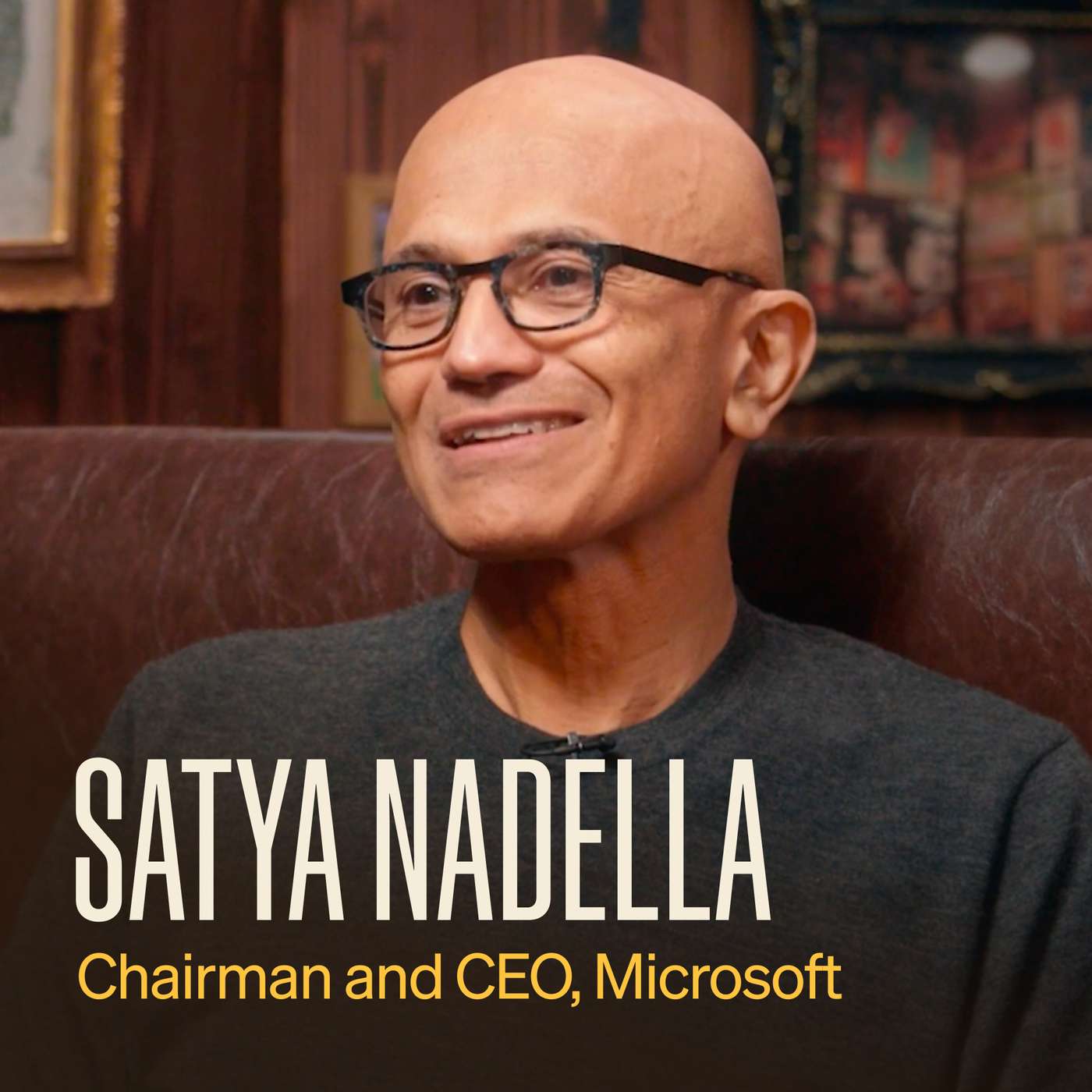
While OpenAI has a significant head start, its position is precarious. Swisher suggests it mirrors Netscape, which pioneered the web browser but was ultimately crushed by an incumbent (Microsoft). Google, with its vast data and resources, is better positioned to win the AI war in the long run.

OpenAI is now reacting to Google's advancements with Gemini 3, a complete reversal from three years ago. Google's strengths in infrastructure, proprietary chips, data, and financial stability are giving it a significant competitive edge, forcing OpenAI to delay initiatives and refocus on its core ChatGPT product.
The natural mechanics of network-based markets inherently lead to dominant players in search, social media, and browsers. This erodes the web's initial decentralized promise of "digital sovereignty" for individual users and creators.
While ChatGPT remains dominant, Google's Gemini has doubled its web traffic share in the last year as ChatGPT's has fallen. This trend mirrors the historical browser wars where an early leader like Netscape was eventually overtaken. Brands must now prioritize their visibility and strategy within the burgeoning Gemini ecosystem.

While OpenAI leads in AI buzz, Google's true advantage is its established ecosystem of Chrome, Search, Android, and Cloud. Newcomers like OpenAI aspire to build this integrated powerhouse, but Google already is one, making its business far more resilient even if its own AI stumbles.
