Get your free personalized podcast brief
We scan new podcasts and send you the top 5 insights daily.
MatZero, a heated mat company with a humanitarian mission, was advised to focus on premium markets like outdoor adventurers. These consumers pay a high price for quality gear, creating a sustainable economic model. The profits and brand cachet from this market can then be used to fund the company's core social mission.

Related Insights
Founders often mistakenly start with low-margin, mass-market products (the "save the whales" syndrome), which makes the business look damaged. A better strategy is to start at the high end with less price-sensitive customers. This builds a premium brand and generates the capital required to address the broader market later.

The 20th-century view of shareholder primacy is flawed. By focusing first on creating wins for all stakeholders—customers, employees, suppliers, and society—companies build a sustainable, beloved enterprise that paradoxically delivers superior returns to shareholders in the long run.

Businesses selling low-margin products can break free from price sensitivity by shifting their focus from utility to purpose. Storytelling attracts customers who value the mission, not just the price, creating a more defensible market position.
MasterCard's purpose-driven marketing is designed to be self-funding. During its 'Stand Up to Cancer' campaign, the company's donation incentivizes card usage. This drives a permanent market share gain that generates enough incremental revenue to cover the charitable donation, proving purpose and profit are not mutually exclusive.

Wild Rye, a certified B Corp, finds that taking strong public stances on issues like reproductive rights amplifies their brand and strengthens customer loyalty. The founder believes this creates a financial upside that is far greater than the direct costs of donations and certifications, especially for a growing brand.
Instead of lowering prices to capture a wider audience, Scarlet Chase embraces a high-end niche. The founder's philosophy is that diluting the product's quality for broader appeal is a mistake. The strategy is to deliver exceptional value to a focused group of customers who can afford and appreciate the investment.
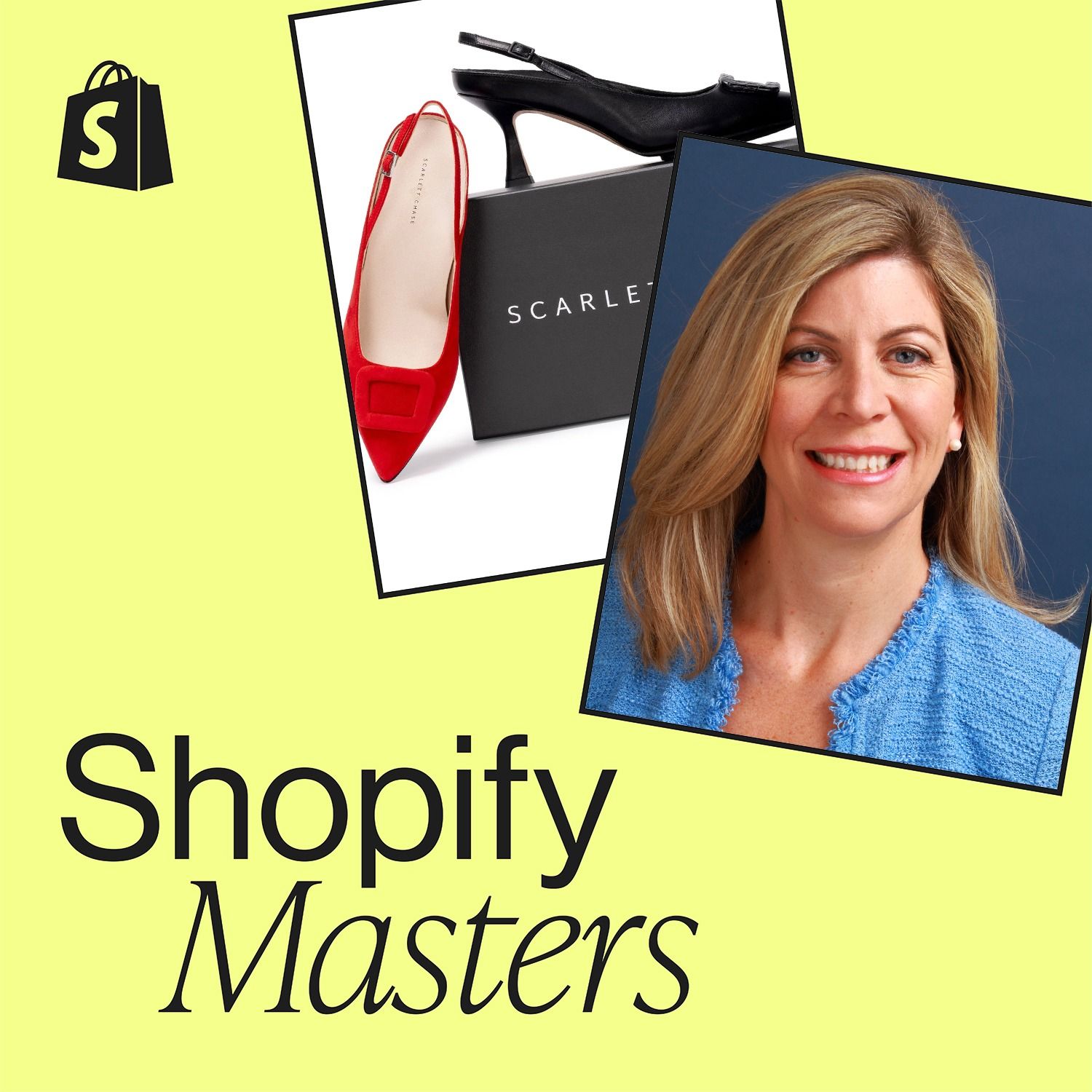
For high-cost, locally made goods, your website and marketing must transparently detail the story of the materials, the factory, and the people. This narrative justifies the price and transforms the product into an artisanal craft that customers feel good about.
For mission-driven brands, merchandise can be a significant revenue generator, not just a marketing gimmick. The Kyiv Independent's online store, selling clothing with provocative slogans related to its coverage, grew to become the company's second-largest source of income, demonstrating the power of a highly engaged community.

Focus on markets where customers value their time more than money and are less price-sensitive. This strategy accelerates profitability by targeting buyers who can easily afford your solution to their high-value problems, as they will part with their money more easily.

Environmentally friendly products often fail to gain mass adoption based on their eco-credentials alone. To break through, they should emulate brands like Tesla and Method Soap by focusing on superior design and branding to become desirable, elevated products that also happen to be sustainable.