Get your free personalized podcast brief
We scan new podcasts and send you the top 5 insights daily.
When a major outlet like the FT puts four reporters on a short story, it's not because four people discovered the scoop. One reporter likely got the initial tip, and the others were brought in to leverage their own sources to get secondary confirmation, earning a byline for collaborative verification.

Related Insights
The perception of a single individual producing a high volume of quality content is often a myth. Behind the scenes, a dedicated team handles research, idea generation, drafting, and editing. True scale and greatness in content creation are achieved through leveraging the "agency of others."

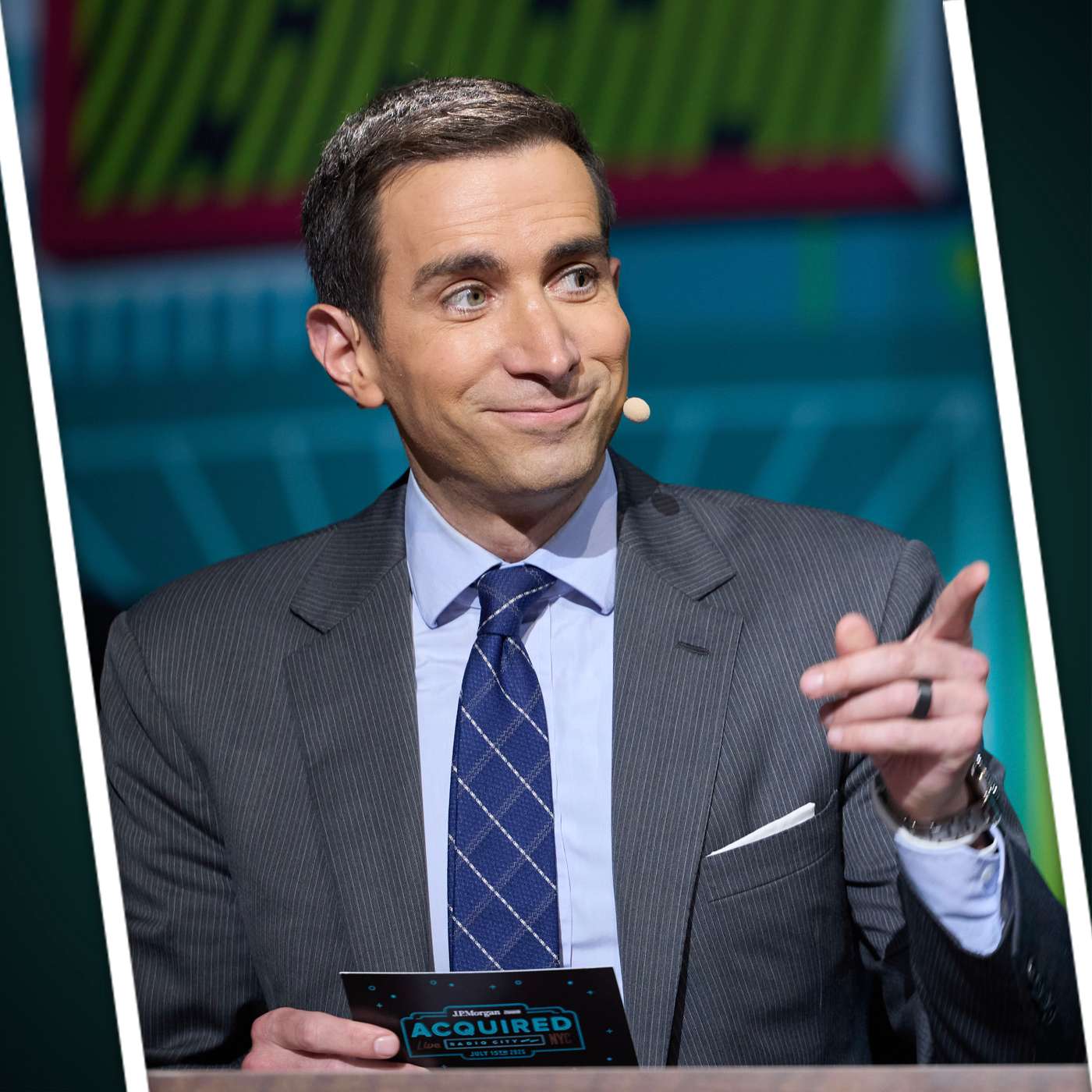
Andrew Ross Sorkin's best sources are often "jilted" individuals—bankers who lost a deal, executives passed over for promotion, or spurned partners. These sources have nothing to lose and are motivated to talk, providing reporters with a powerful, albeit biased, starting point for a story.
Strategic leaks of "comparable companies" to media outlets are a key tool for stealth startups to signal their direction. Analysts can reverse-engineer a company's strategy, target market, and talent focus by scrutinizing these chosen comps. This turns PR into a powerful source of competitive intelligence.

NYT's Jodi Cantor explains her focus isn't leaking decisions that will eventually be public. Instead, she uses her limited time and capital to move information from the "secret side of the ledger" to the public side—facts and context that would otherwise remain hidden forever.

There is emerging evidence of a "pay-to-play" dynamic in AI search. Platforms like ChatGPT seem to disproportionately cite content from sources with which they have commercial deals, such as the Financial Times and Reddit. This suggests paid partnerships can heavily influence visibility in AI-generated results.

To combat confirmation bias, withhold the final results of an experiment or analysis until the entire team agrees the methodology is sound. This prevents people from subconsciously accepting expected outcomes while overly scrutinizing unexpected ones, leading to more objective conclusions.

When releasing the "Twitter Files," Musk didn't curate or filter information. He gave investigative journalists direct, unfettered access to Twitter's internal systems, emails, and databases without looking over their shoulders, allowing them to report their findings independently.

The high-stakes competition for AI dominance is so intense that investigative journalism can trigger immediate, massive corporate action. A report in The Information about OpenAI exploring Google's TPUs directly prompted NVIDIA's CEO to call OpenAI's CEO and strike a major investment deal to secure the business.

Instead of asking for confirmation on a rumor, Sorkin's method is to build the story almost completely with details from various sources. By the time he asks the company for comment, he presents so many facts that they are incentivized to cooperate and shape the narrative, rather than just deny it.
Contrary to conventional wisdom, trading favorable coverage for access to powerful sources is no longer the best way to get a story. In the modern media landscape with diverse information channels, reporters find more impactful and truthful stories by maintaining independence and refusing to play the access game.
